Cheese VS Curd
A detailed nutritional comparison
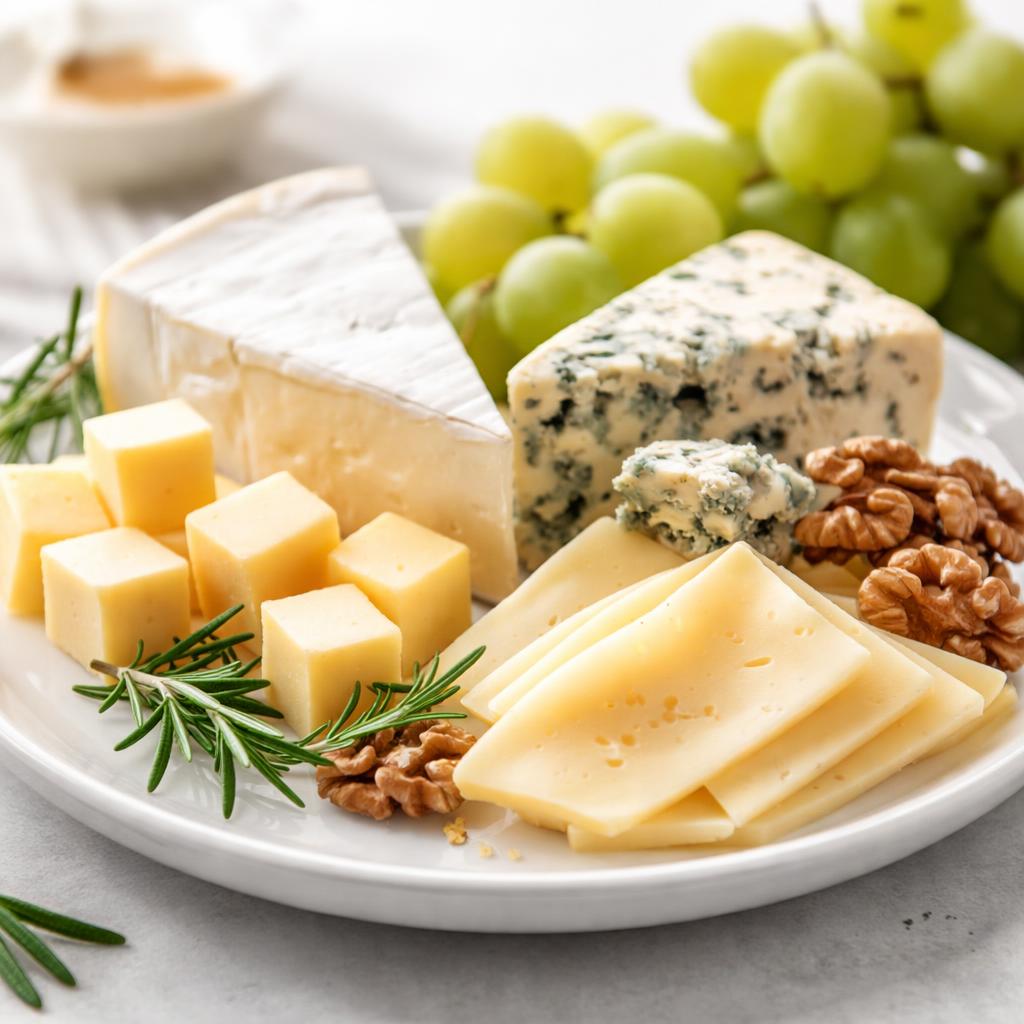
Cheese
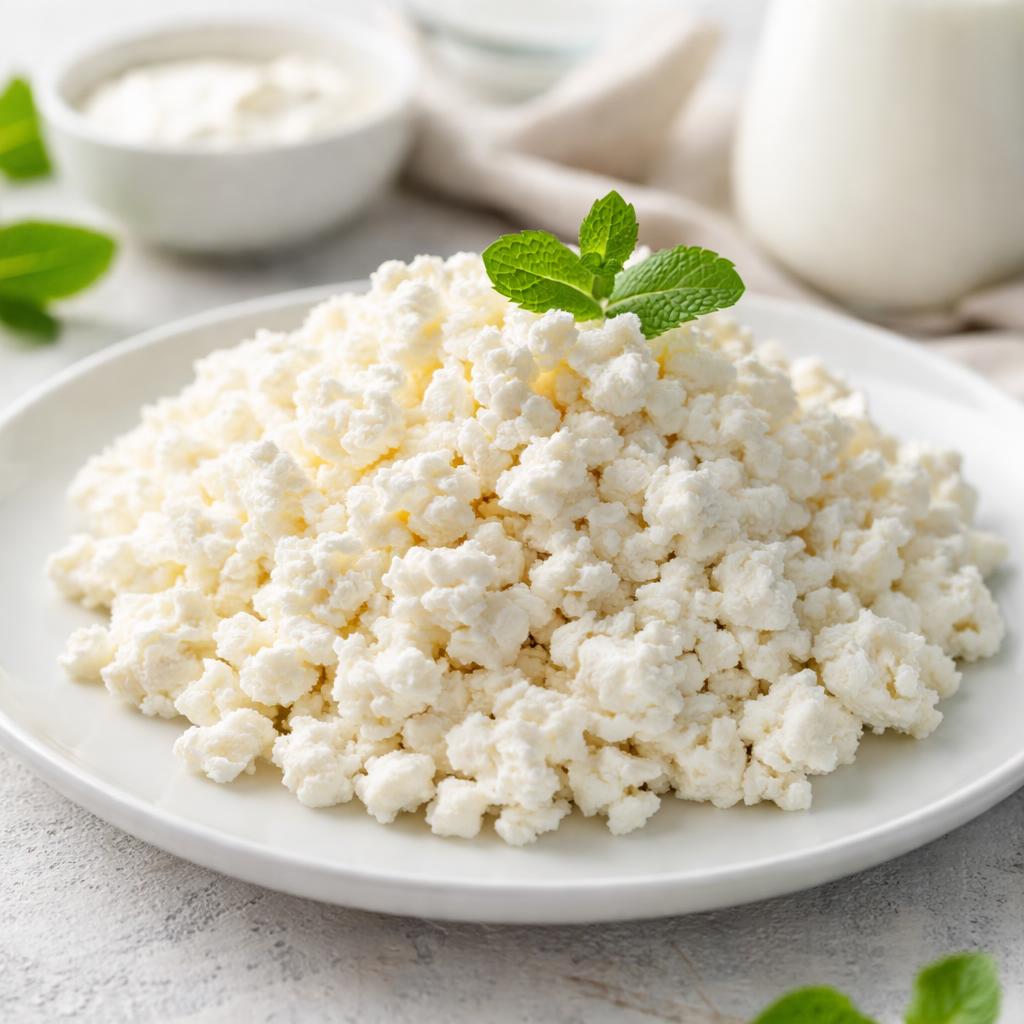
Curd
🎯 Quick Verdict
Cheese is richer in protein and fat, making it a high-calorie option ideal for muscle maintenance and satiety, while curd (yogurt) is lower in calories and contains probiotics, making it better for digestion. Cheese works well for keto and low-carb diets, while curd suits weight management and gut health focused diets due to its lower caloric density and probiotics.

Smart Nutrition Tracking with SnapCalorie

📊 Nutritional Comparison
Macronutrients
| Nutrient | Food 1 | Food 2 | Winner |
|---|---|---|---|
| Calories | 402 (per 100g) | 98 (per 100g) | − |
| Protein | 25g | 10g | − |
| Carbs | 1.3g | 3.4g | − |
| Fat | 33.5g | 3.5g | − |
| Fiber | 0g | 0g | − |
Vitamins & Minerals
| Nutrient | Food 1 | Food 2 | Winner |
|---|---|---|---|
| Calcium | 721mg | 120mg | − |
| Vitamin B12 | 1.2mcg | 0.5mcg | − |
| Vitamin D | 0.6mcg | 0.0mcg | − |
🏆 Category Winners
Protein
Cheese offers significantly higher protein content (25g vs 10g per 100g).
Fiber
Neither cheese nor curd contains dietary fiber.
Calories
Curd is far lower in calories compared to cheese (98 vs 402 calories per 100g).
🥗 Diet Compatibility
Keto
Food 1: Compatible
Food 2: Not Fully Compatible
Cheese is high-fat and low-carb, ideal for keto, while curd contains slightly higher carbs.
Vegan
Food 1: Not Compatible
Food 2: Not Compatible
Both are dairy products and unsuitable for vegan diets.
Gluten Free
Food 1: Compatible
Food 2: Compatible
Both foods are naturally gluten-free.
Paleo
Food 1: Not Fully Compatible
Food 2: Compatible
Paleo typically excludes modern dairy like cheese but may permit curd (traditional fermented dairy).
Low-Carb
Food 1: Compatible
Food 2: Partially Compatible
Cheese is extremely low-carb and curd is moderate in carbs (1.3g vs 3.4g per serving).
💪 Health Benefits Comparison
Food 1 Benefits
- High protein content supports muscle growth and maintenance.
- Rich in calcium for stronger bones and teeth.
- Contains vitamin B12, supporting energy levels and brain health.
- Low in carbs, making it compatible with keto and low-carb diets.
Food 2 Benefits
- Contains probiotics to support gut health and digestion.
- Lower in calories, ideal for weight management diets.
- Provides moderate protein to sustain energy levels.
- Good source of vitamins and minerals like calcium for bone health.
✅ The Bottom Line
Choose cheese if you need a high-protein, high-fat food for keto or muscle-focused diets. Curd is better for weight loss and digestive health due to its lower calorie content and probiotics. Both are nutrient-dense but serve different purposes.
Choose Food 1 for: Keto diets, muscle maintenance, weight gain
Choose Food 2 for: Weight loss, digestion support, balanced nutrient intake


