Cheese VS Cucumbers
A detailed nutritional comparison
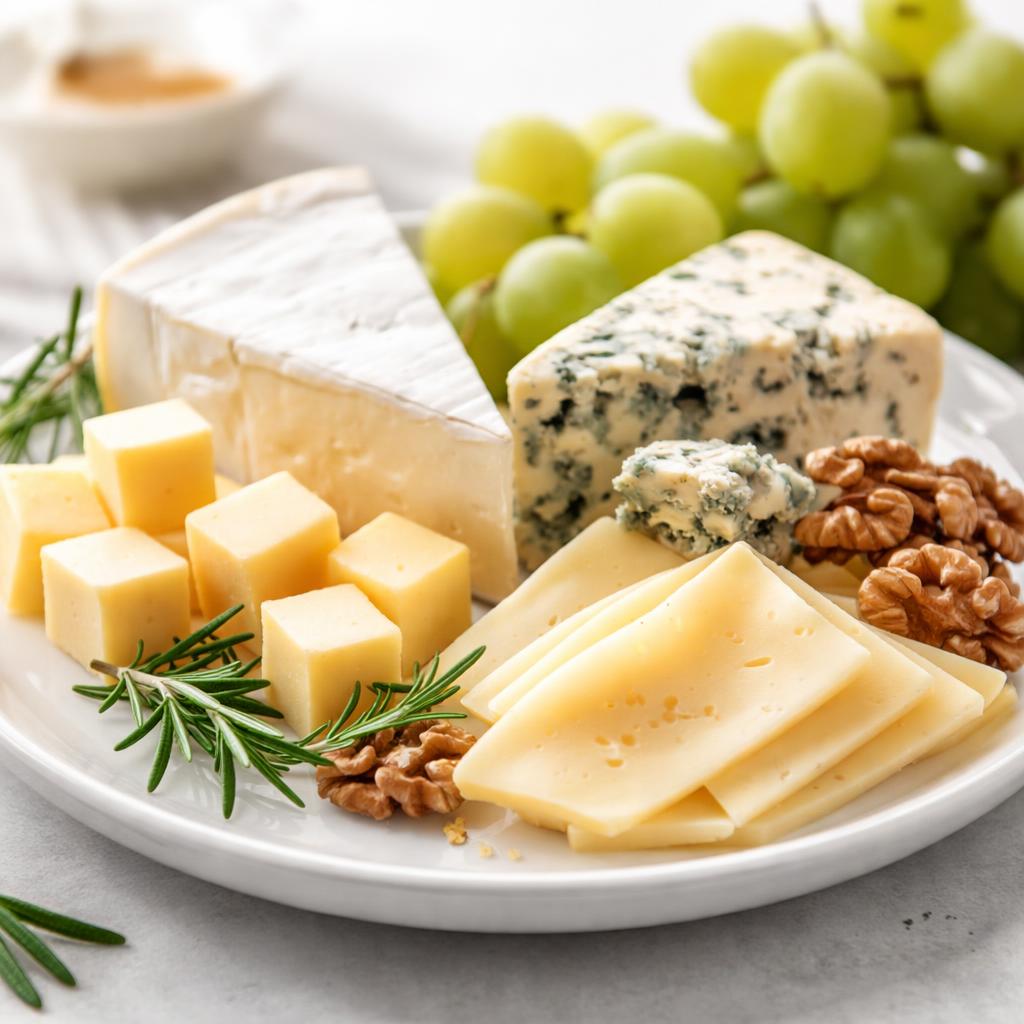
Cheese
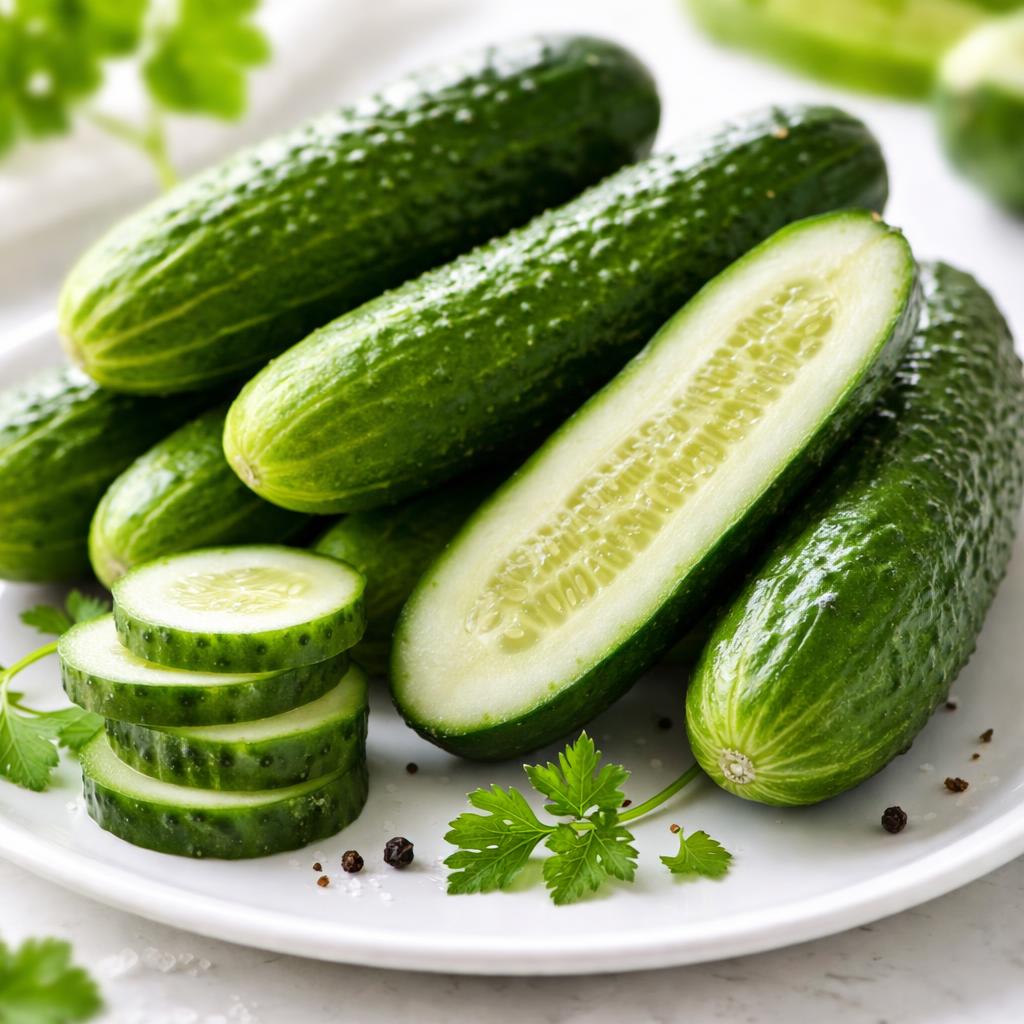
Cucumbers
🎯 Quick Verdict
Cheese is a nutrient-dense food rich in protein and fat, suitable for muscle building and keto diets, while cucumbers are low in calories, high in fiber, and hydrating, ideal for weight loss and vegan diets. Choose cheese for more vitamins like calcium and cucumber for hydration and fiber content.

Smart Nutrition Tracking with SnapCalorie

📊 Nutritional Comparison
Macronutrients
| Nutrient | Food 1 | Food 2 | Winner |
|---|---|---|---|
| Calories | 113 | 16 | ✓ |
| Protein | 7g | 0.7g | ✓ |
| Carbs | 1g | 3.6g | ✓ |
| Fat | 9g | 0.1g | ✓ |
| Fiber | 0g | 0.5g | ✓ |
Vitamins & Minerals
| Nutrient | Food 1 | Food 2 | Winner |
|---|---|---|---|
| Vitamin D | 0.2mcg | 0mcg | ✓ |
| Calcium | 200mg | 16mg | ✓ |
| Vitamin A | 93mcg | 5mcg | ✓ |
| Vitamin C | 0mg | 2.6mg | ✓ |
🏆 Category Winners
Protein
Cheese contains 10 times more protein than cucumbers.
Fiber
Cucumbers contain measurable levels of fiber (0.5g per serving), while cheese has none.
Calories
Cucumbers are extremely low in calories, making them suitable for calorie-conscious diets.
🥗 Diet Compatibility
Keto
Food 1: Compatible
Food 2: Compatible
Both are low-carb foods suitable for keto diets. Cheese is higher-fat, while cucumbers are low-calorie.
Vegan
Food 1: Not Compatible
Food 2: Compatible
Cheese is derived from dairy, while cucumbers are plant-based.
Gluten Free
Food 1: Compatible
Food 2: Compatible
Both foods are naturally gluten-free.
Paleo
Food 1: Compatible
Food 2: Compatible
Cheese is often debated in paleo diets due to dairy restrictions, but cucumbers are fully paleo-compliant.
Low-Carb
Food 1: Compatible
Food 2: Compatible
Cheese has very few carbohydrates (1g per serving), and cucumbers are naturally low-carb (3.6g per serving).
💪 Health Benefits Comparison
Food 1 Benefits
- High in protein, beneficial for muscle-building and repair
- Excellent source of calcium for bone health
- Contains healthy fats for energy and brain function
- Provides vitamins like B12 and A for optimal body function
Food 2 Benefits
- Hydrating due to high water content (95% water)
- Low-calorie food ideal for weight loss
- Rich in antioxidants to combat free radicals
- Contains fiber which aids digestion
✅ The Bottom Line
Cheese is a nutrient-dense food rich in protein and healthy fats, making it ideal for those on a keto or low-carb diet, focused on muscle maintenance or high-calorie needs. Cucumbers, on the other hand, are low-calorie, hydrating, and fiber-rich, making them better for weight loss, vegan, or hydration-focused diets.
Choose Food 1 for: Keto diets, post-workout snacks, bone health
Choose Food 2 for: Hydration, low-calorie diets, vegan diets


