Cheese VS Cream
A detailed nutritional comparison
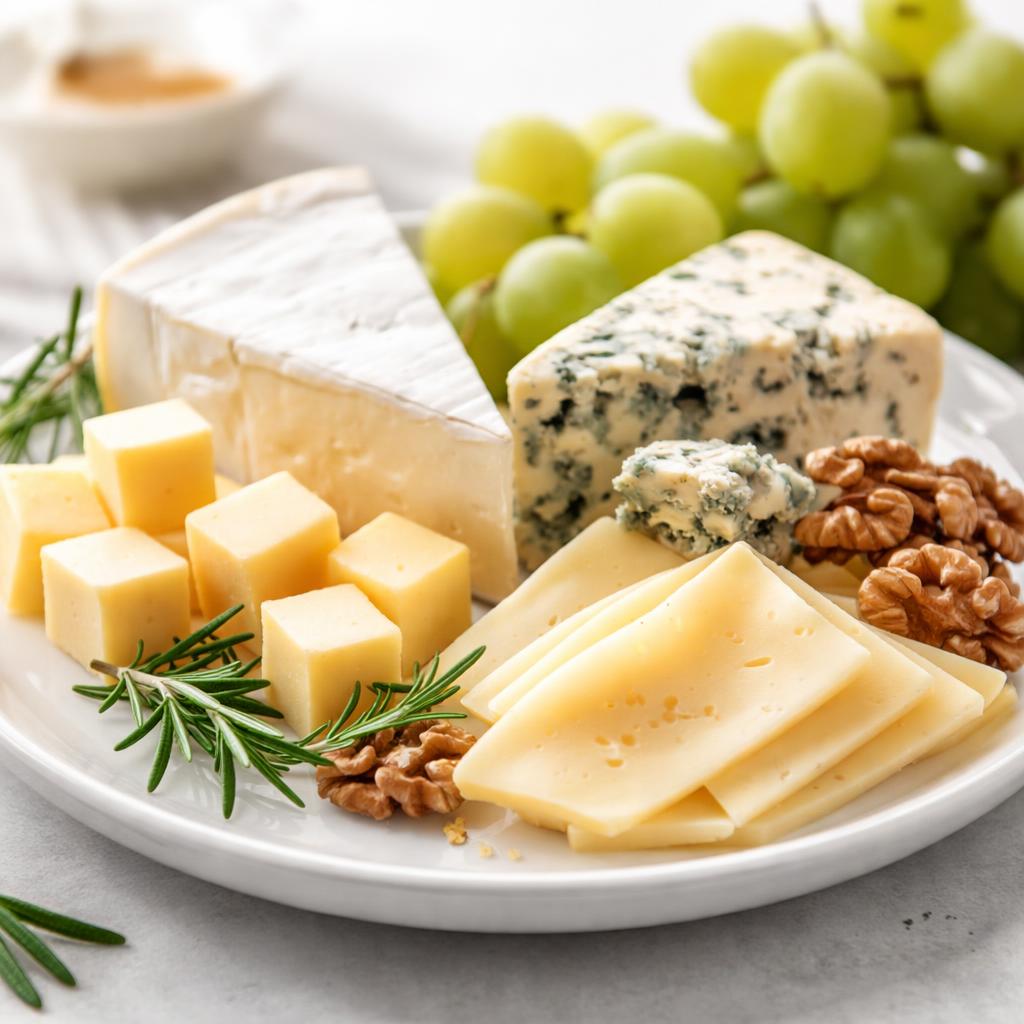
Cheese
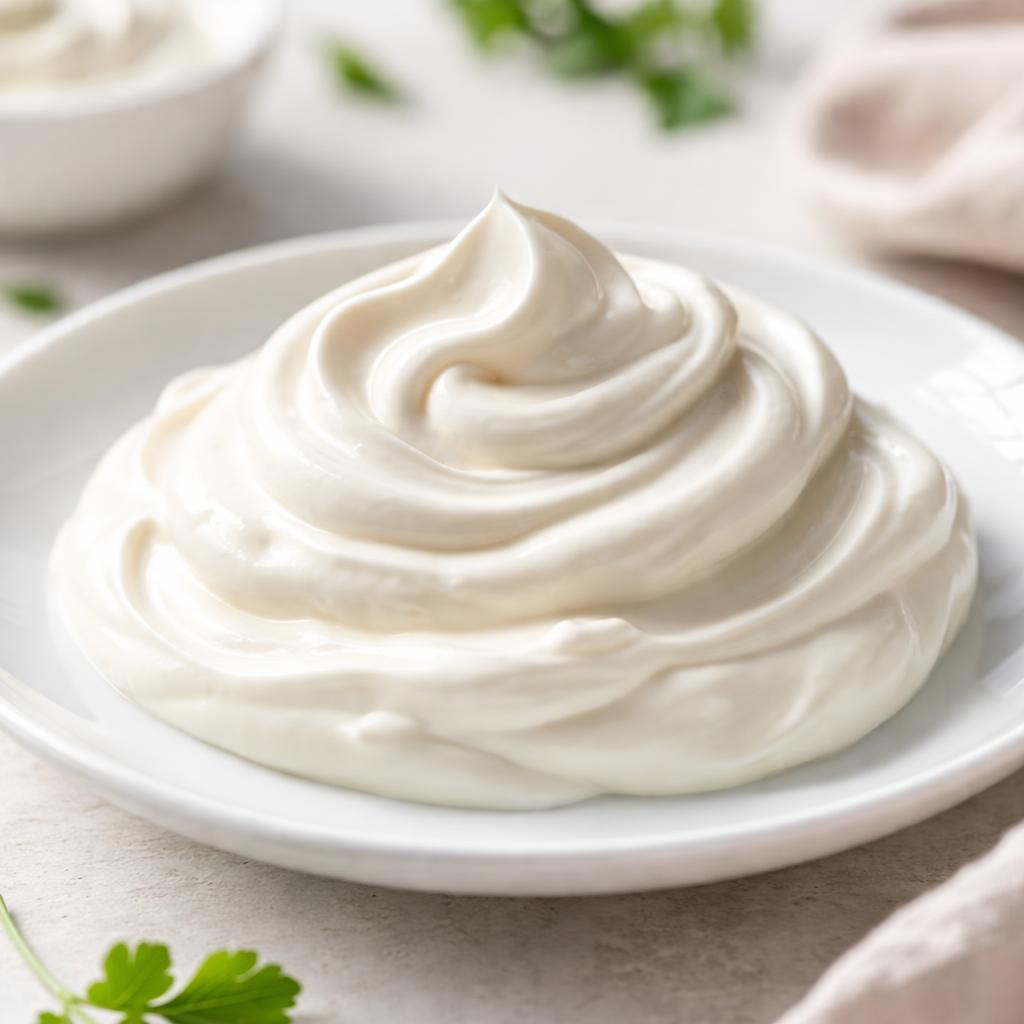
Cream
🎯 Quick Verdict
Cheese and cream differ significantly in protein content and calorie density. Cheese is high in protein and provides more vitamins and minerals, making it ideal for muscle maintenance and overall nutrient intake. Cream is lower in calories but predominantly consists of fat, making it suitable for ketogenic diets or recipes requiring healthy fat sources.

Smart Nutrition Tracking with SnapCalorie

📊 Nutritional Comparison
Macronutrients
| Nutrient | Food 1 | Food 2 | Winner |
|---|---|---|---|
| Calories | − | ||
| Protein | − | ||
| Carbs | − | ||
| Fat | − | ||
| Fiber | − |
Vitamins & Minerals
| Nutrient | Food 1 | Food 2 | Winner |
|---|---|---|---|
| Vitamin D | − | ||
| Calcium | − | ||
| Iron | − |
🏆 Category Winners
Protein
Cheese contains significantly more protein, ideal for muscle-building and high-protein diets.
Fiber
Neither cheese nor cream contains dietary fiber.
Calories
Cream has slightly fewer calories per serving compared to cheese.
Vitamins
Cheese outperforms cream in vitamin D, calcium, and iron content, providing essential nutrients.
🥗 Diet Compatibility
Keto
Food 1: Unknown
Food 2: Unknown
Both are low-carb and high-fat, ideal for ketosis.
Vegan
Food 1: Unknown
Food 2: Unknown
Both foods are derived from dairy.
Gluten Free
Food 1: Unknown
Food 2: Unknown
Neither cheese nor cream contains gluten.
Paleo
Food 1: Unknown
Food 2: Unknown
Cream aligns more closely with paleo diets as it contains fewer additives.
Low Carb
Food 1: Unknown
Food 2: Unknown
Both are low in carbohydrates (<5g per serving).
💪 Health Benefits Comparison
Food 1 Benefits
Food 2 Benefits
✅ The Bottom Line
Cheese is the better choice for protein and micronutrient density, making it ideal for muscle maintenance, bone health, and nutrient-dense diets. Use cheese for snacking, cooking, or as part of balanced meals. Cream, on the other hand, is an excellent low-carb, high-fat option suitable for keto diets and recipes requiring rich flavors and textures. Opt for cream if you’re prioritizing fat intake or seeking versatility in culinary applications.


