Cheese VS Crab
A detailed nutritional comparison
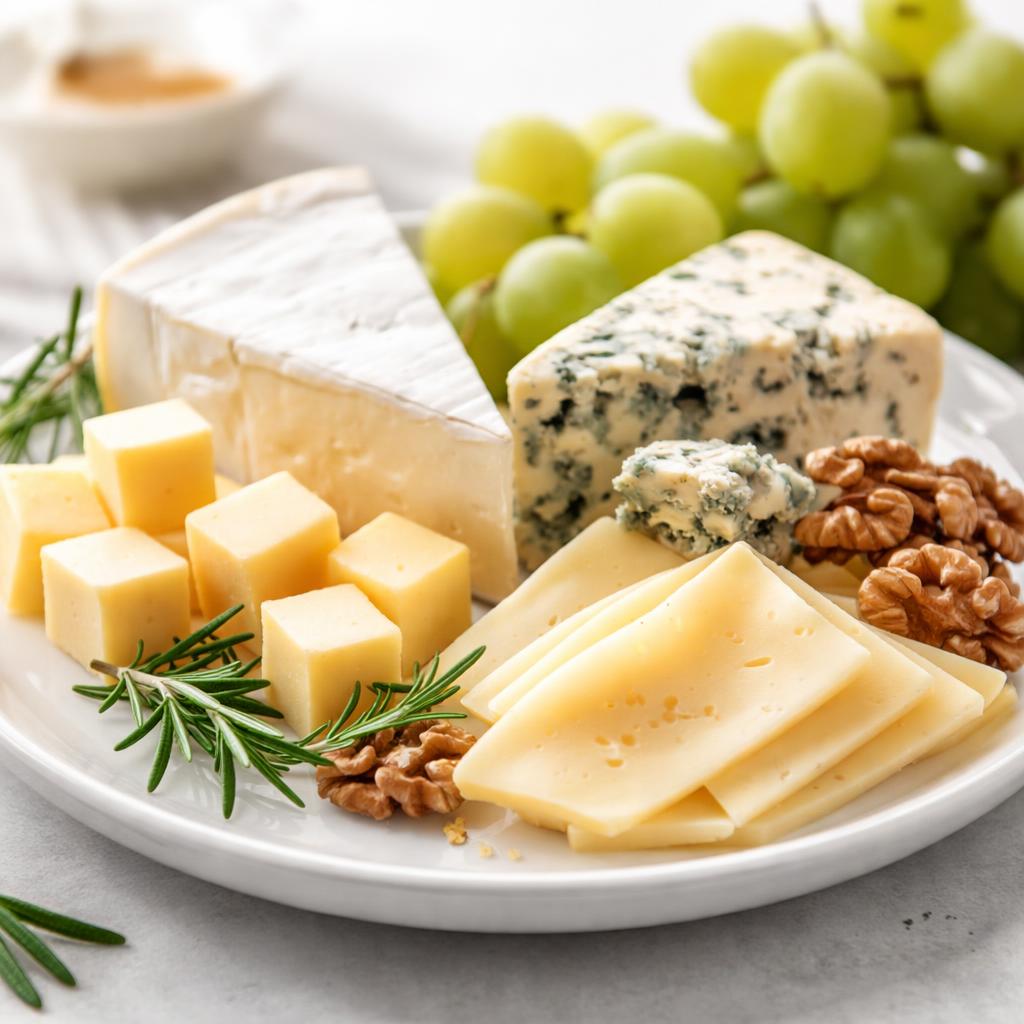
Cheese
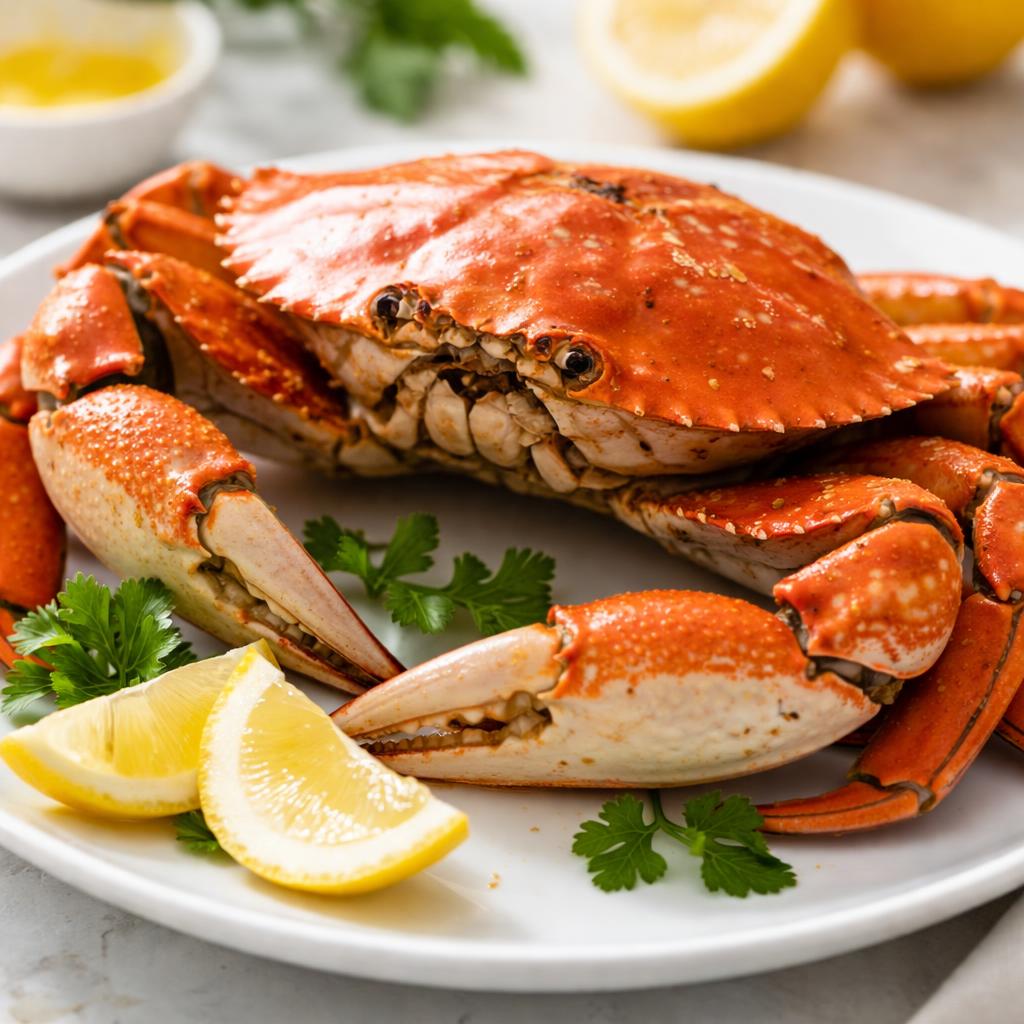
Crab
🎯 Quick Verdict
Cheese and crab offer distinct nutritional profiles. Cheese is higher in fat and calories but provides calcium and vitamin A, making it beneficial for bone health. In contrast, crab is significantly lower in calories and fat while delivering greater protein and minerals like zinc and selenium, ideal for muscle building and immune support. Choose cheese for energy-rich snacking and crab for lean, nutrient-rich meals.

Smart Nutrition Tracking with SnapCalorie

📊 Nutritional Comparison
Macronutrients
| Nutrient | Food 1 | Food 2 | Winner |
|---|---|---|---|
| Calories | 402 (per 100g) | 97 (per 100g) | ✓ |
| Protein | 25g | 19g | ✓ |
| Carbs | 1g | 0g | ✓ |
| Fat | 33g | 0.8g | ✓ |
| Fiber | 0g | 0g | − |
Vitamins & Minerals
| Nutrient | Food 1 | Food 2 | Winner |
|---|---|---|---|
| Vitamin A | 673IU | 11IU | ✓ |
| Vitamin C | 0mg | 3mg | ✓ |
| Calcium | 731mg | 89mg | ✓ |
| Iron | 0.7mg | 0.5mg | ✓ |
| Zinc | 3mg | 6mg | ✓ |
🏆 Category Winners
Protein
Crab contains lean protein with lower calories compared to cheese.
Fiber
Neither food provides dietary fiber.
Calories
Crab is significantly lower in calories compared to cheese.
Vitamins
Cheese excels in calcium and vitamin A, whereas crab provides vitamin C and selenium.
🥗 Diet Compatibility
Keto
Food 1: Compatible
Food 2: Compatible
Both foods are low in carbohydrates.
Vegan
Food 1: Not Compatible
Food 2: Not Compatible
Neither cheese nor crab is plant-based.
Gluten Free
Food 1: Compatible
Food 2: Compatible
Both foods are naturally gluten-free.
Paleo
Food 1: Not Compatible
Food 2: Compatible
Paleo excludes dairy products like cheese but allows seafood.
Low Carb
Food 1: Compatible
Food 2: Compatible
Both foods are low-carb and suitable for this diet.
💪 Health Benefits Comparison
Food 1 Benefits
- High in calcium for strong bones and teeth
- Rich in vitamin A for eye health and immunity
- Energy-dense, making it a useful snack for high-energy activities
Food 2 Benefits
- Low in calories and fat, ideal for weight management
- Good source of lean protein for muscle maintenance
- Rich in zinc, selenium, and vitamin C for immune system support
✅ The Bottom Line
Cheese is a great option for those seeking an energy-dense food high in calcium and vitamin A. In contrast, crab offers lean protein and essential minerals like zinc and selenium, making it ideal for immune support and muscle maintenance. Choose cheese for energy-rich snacks or meals and crab for lean and nutritious protein-focused dishes.
Choose Food 1 for: Snacking, high-calorie diets, bone health
Choose Food 2 for: Low-calorie meals, muscle building, immune support


