Cheese VS Coconut
A detailed nutritional comparison
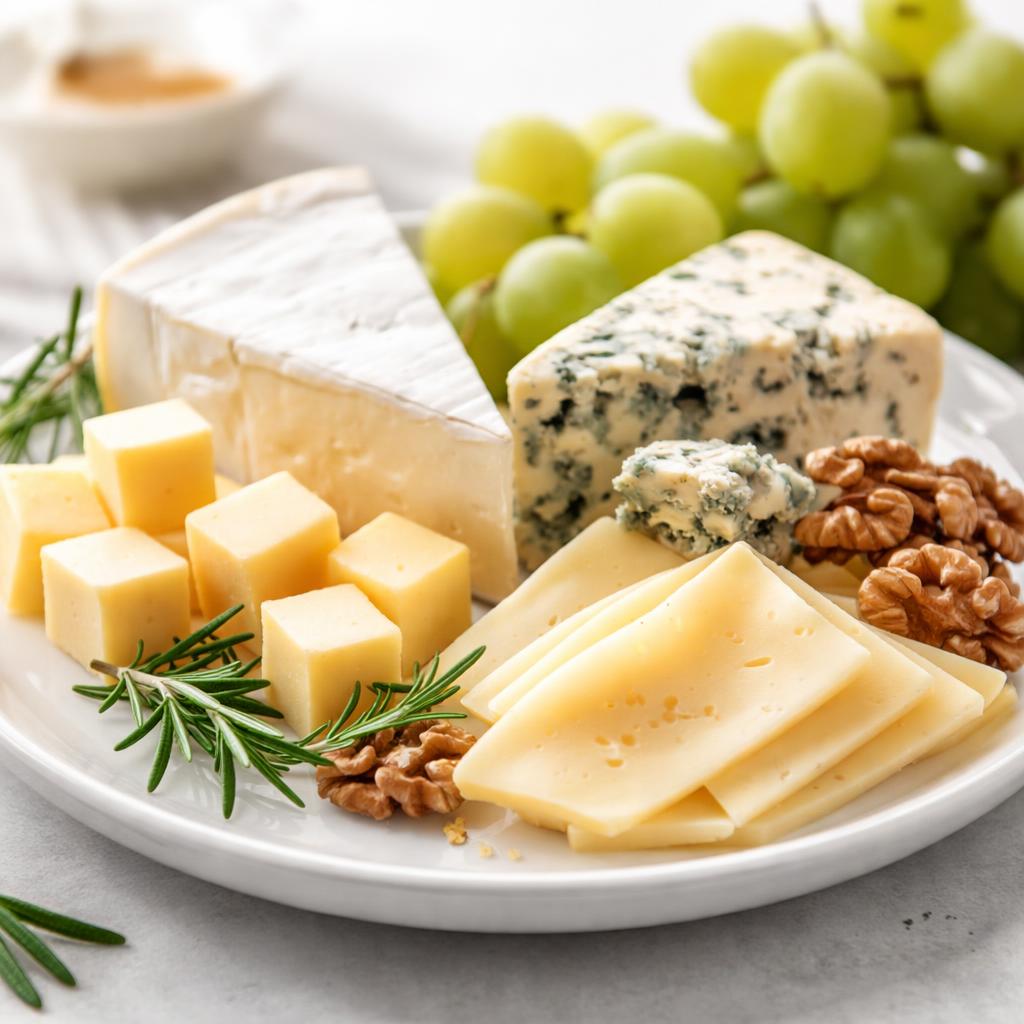
Cheese
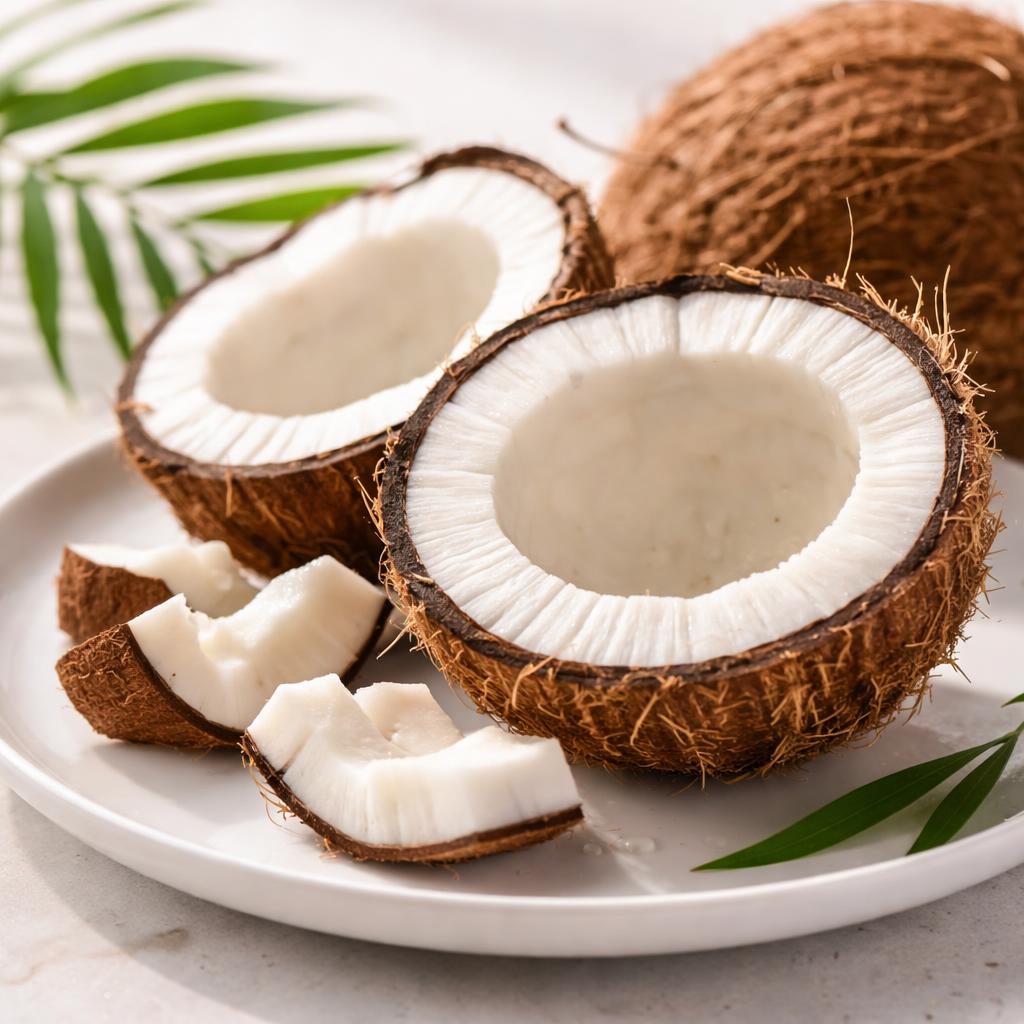
Coconut
🎯 Quick Verdict
Cheese is high in protein and lower in calories compared to coconut, making it a better choice for muscle maintenance and weight management. Coconut is higher in fiber and provides healthy fats, ideal for heart health and sustained energy. Both have unique nutritional profiles suitable for different dietary preferences and goals.

Smart Nutrition Tracking with SnapCalorie

📊 Nutritional Comparison
Macronutrients
| Nutrient | Food 1 | Food 2 | Winner |
|---|---|---|---|
| Calories | 113 (per ounce) | 150 (per ounce) | ✓ |
| Protein | 7g | 1g | ✓ |
| Carbs | 1g | 6g | ✓ |
| Fat | 9g | 15g | ✓ |
| Fiber | 0g | 4g | ✓ |
Vitamins & Minerals
| Nutrient | Food 1 | Food 2 | Winner |
|---|---|---|---|
| Vitamin D | 0.2mcg | 0mcg | ✓ |
| Calcium | 200mg | 15mg | ✓ |
| Iron | 0.1mg | 2mg | ✓ |
🏆 Category Winners
Protein
Cheese is significantly higher in protein compared to coconut, offering 7g per ounce versus coconut's 1g.
Fiber
Coconut provides 4g of fiber per ounce, while cheese has no fiber.
Calories
Cheese is lower in calories per ounce, with 113 calories compared to coconut's 150 calories.
Vitamins
Cheese is higher in vitamin D and calcium, while coconut has more iron and antioxidants.
🥗 Diet Compatibility
Keto
Food 1: Compatible
Food 2: Compatible
Both foods are low-carb and high-fat, making them suitable for keto diets.
Vegan
Food 1: Not Compatible
Food 2: Compatible
Coconut is plant-based, while cheese is derived from animal milk.
Gluten Free
Food 1: Compatible
Food 2: Compatible
Neither food contains gluten.
Paleo
Food 1: Compatible
Food 2: Compatible
Both foods are acceptable in a paleo diet when consumed moderately.
Low-Carb
Food 1: Compatible
Food 2: Compatible
Cheese has just 1g of carbs per ounce, while coconut has 6g and can still fit within low-carb guidelines.
💪 Health Benefits Comparison
Food 1 Benefits
- High in protein for muscle maintenance and growth
- Rich in calcium for strong bones and teeth
- Contains vitamin D, supporting immune health and calcium absorption
Food 2 Benefits
- Excellent source of healthy fats for heart and brain health
- High fiber content for digestive health and satiety
- Provides antioxidants that help combat free radical damage
✅ The Bottom Line
Cheese is a great choice for high-protein diets, weight management, and bone health, whereas coconut shines in fiber, healthy fats, and antioxidants, making it ideal for heart health and sustained energy. Both have their place depending on your dietary goals.
Choose Food 1 for: Muscle maintenance, weight management, high-protein diets
Choose Food 2 for: Heart health, digestive support, sustained energy


