Cheese VS Chicken Sandwich
A detailed nutritional comparison
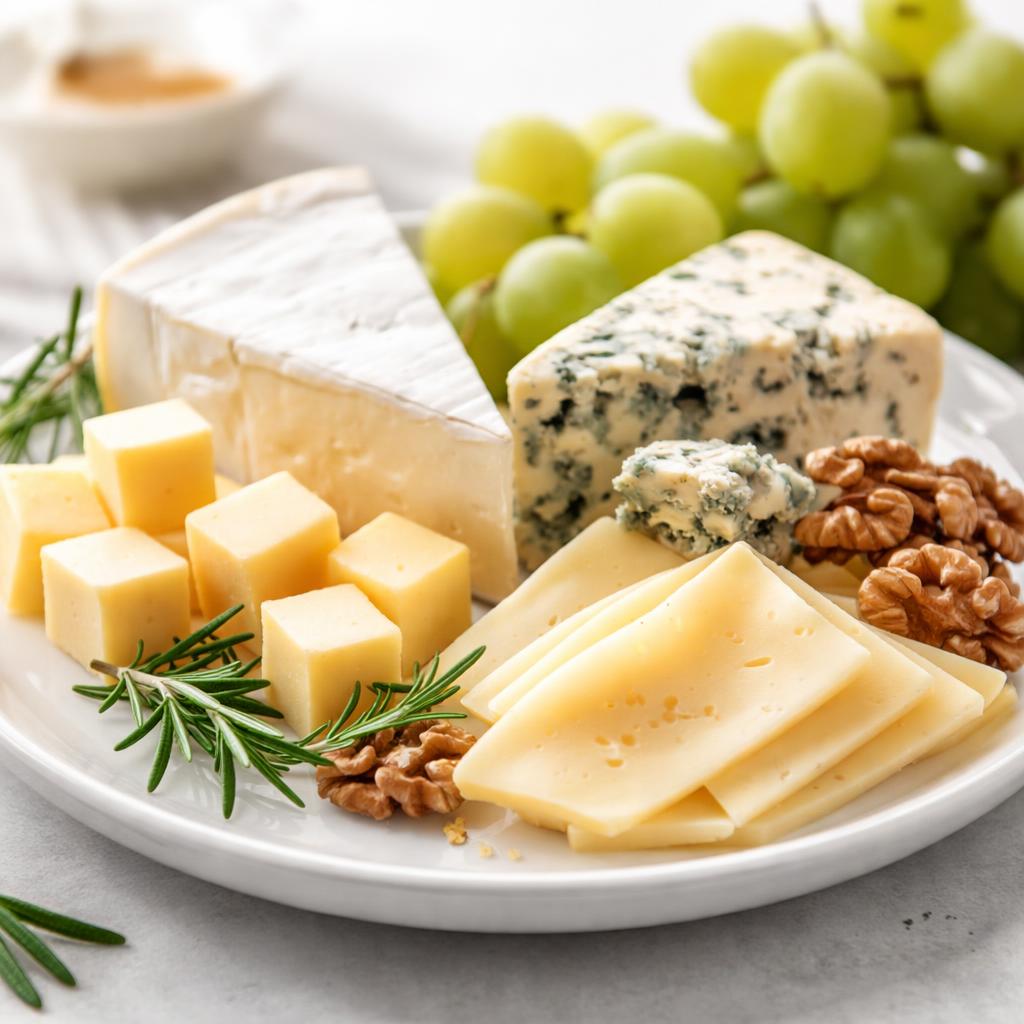
Cheese
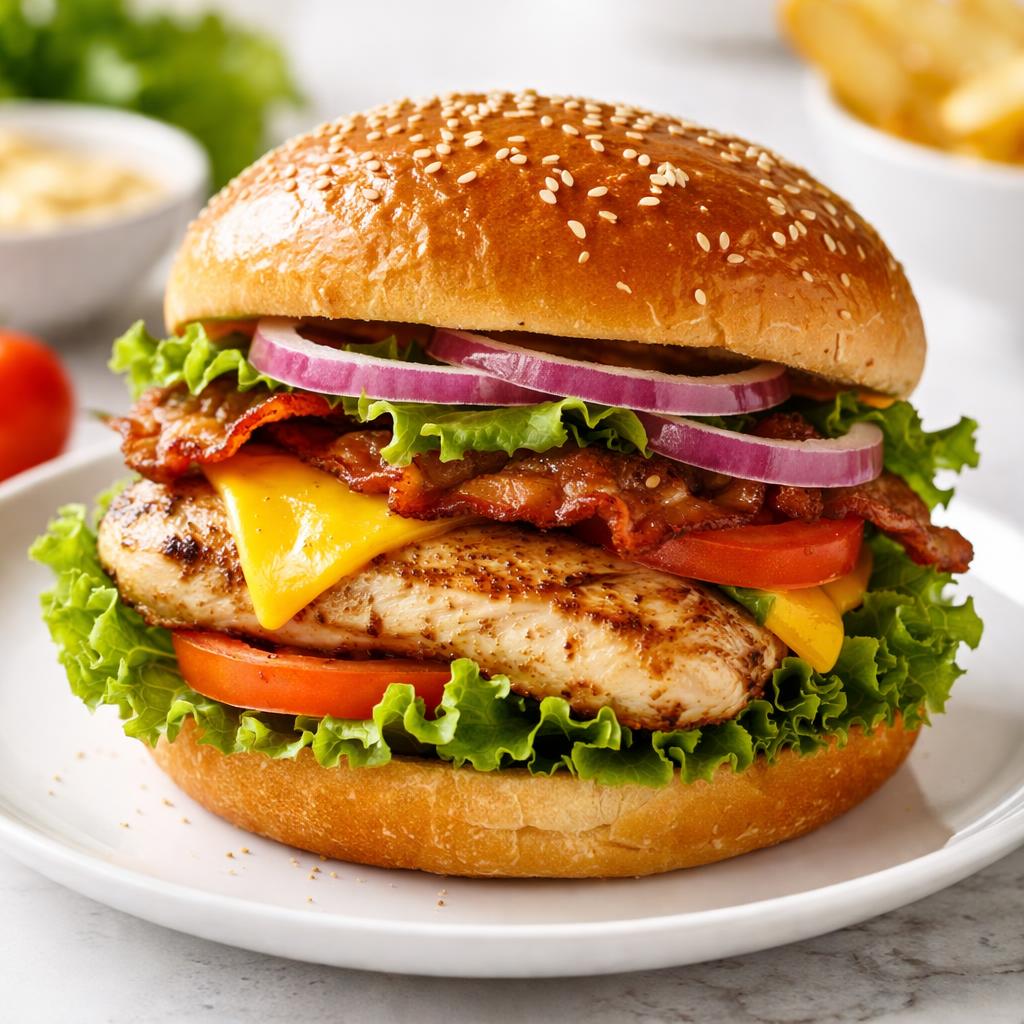
Chicken Sandwich
🎯 Quick Verdict
The chicken sandwich generally offers a better balance of macronutrients, including higher protein and fiber, compared to cheese, making it more suitable as a meal option. Cheese is calorie-dense and high in fat, which may fit better as a snack or condiment in controlled portions, especially for low-carb or keto diets.

Smart Nutrition Tracking with SnapCalorie

📊 Nutritional Comparison
Macronutrients
| Nutrient | Food 1 | Food 2 | Winner |
|---|---|---|---|
| Calories | 113 (per 1oz slice) | 300 (average sandwich) | ✓ |
| Protein | 7g | 22g | ✓ |
| Carbs | 1g | 35g | ✓ |
| Fat | 9g | 10g | − |
| Fiber | 0g | 3g | ✓ |
Vitamins & Minerals
| Nutrient | Food 1 | Food 2 | Winner |
|---|---|---|---|
| Calcium | 200mg (20% DV) | 40mg | ✓ |
| Iron | 0.1mg | 2.8mg | ✓ |
| Vitamin D | 0.9mcg | 0.1mcg | ✓ |
🏆 Category Winners
Protein
The chicken sandwich has over triple the protein content per serving compared to cheese.
Fiber
The chicken sandwich contains 3g of fiber, while cheese contains none.
Calories
Cheese has fewer calories at 113 per ounce, compared to the chicken sandwich's 300.
Vitamins
Cheese is a richer source of calcium and vitamin D.
🥗 Diet Compatibility
Keto
Food 1: Compatible
Food 2: Not Compatible
Cheese is low-carb and high-fat, ideal for keto diets.
Vegan
Food 1: Not Compatible
Food 2: Not Compatible
Neither option is plant-based.
Gluten Free
Food 1: Compatible
Food 2: Not Compatible
Cheese is naturally gluten-free, but chicken sandwiches usually contain bread.
Paleo
Food 1: Not Compatible
Food 2: Not Compatible
Cheese and sandwich bread are excluded in strict paleo diets.
Low-Carb
Food 1: Compatible
Food 2: Not Compatible
Cheese contains only 1g of carbs per serving, ideal for low-carb diets.
💪 Health Benefits Comparison
Food 1 Benefits
- Rich in calcium for bone health
- Contains healthy fats for energy and satiety
- Provides vitamin D for immune support
Food 2 Benefits
- High in protein for muscle building and repair
- Offers dietary fiber for improved digestion
- Provides iron for oxygen transport in the body
- Balances macronutrients for sustained energy
✅ The Bottom Line
Choose cheese for a low-carb snack or a high-fat boost, especially for keto diets. Opt for the chicken sandwich when looking for a complete meal with balanced macronutrients, higher protein, and more fiber. Consider serving sizes to fit your dietary goals.
Choose Food 1 for: Low-carb diets, keto plans, snacking
Choose Food 2 for: Balanced meals, high-protein diets, muscle-building


