Cheese VS Cappuccino
A detailed nutritional comparison
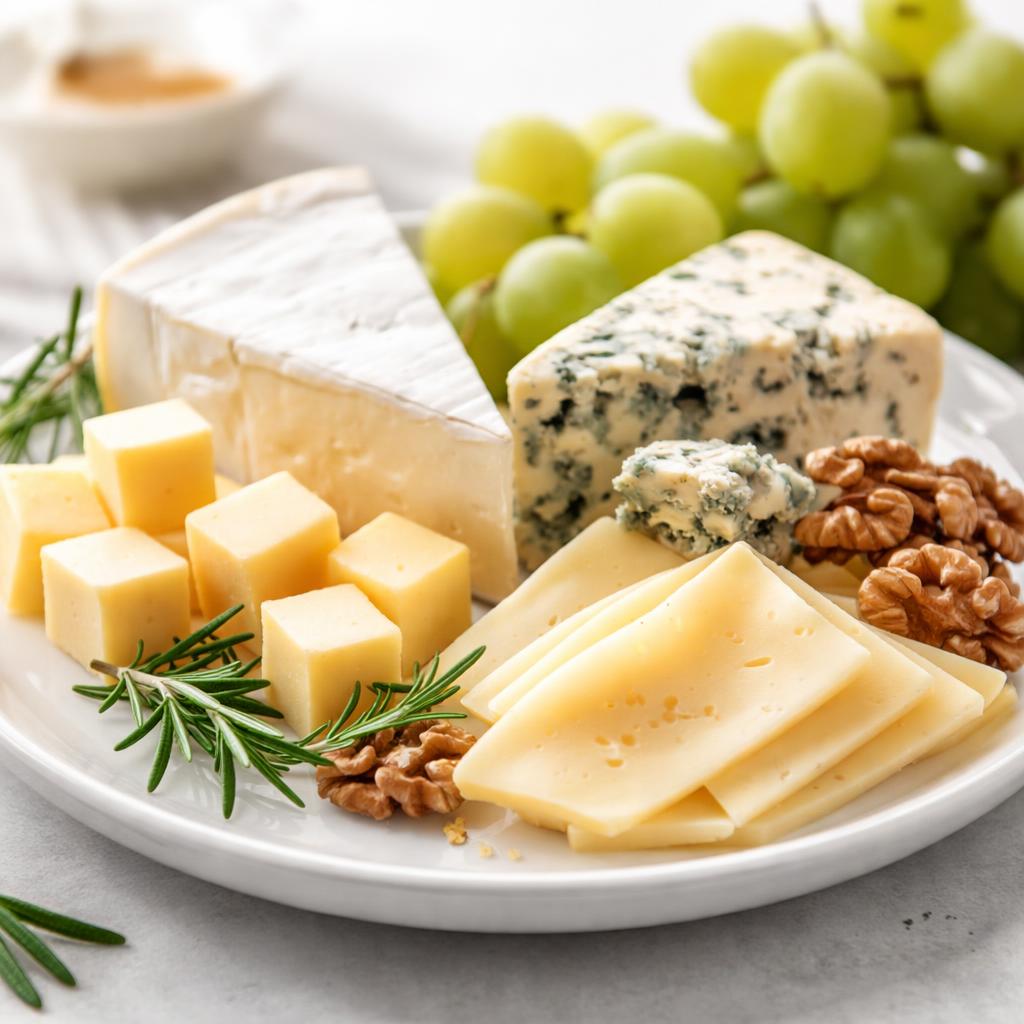
Cheese
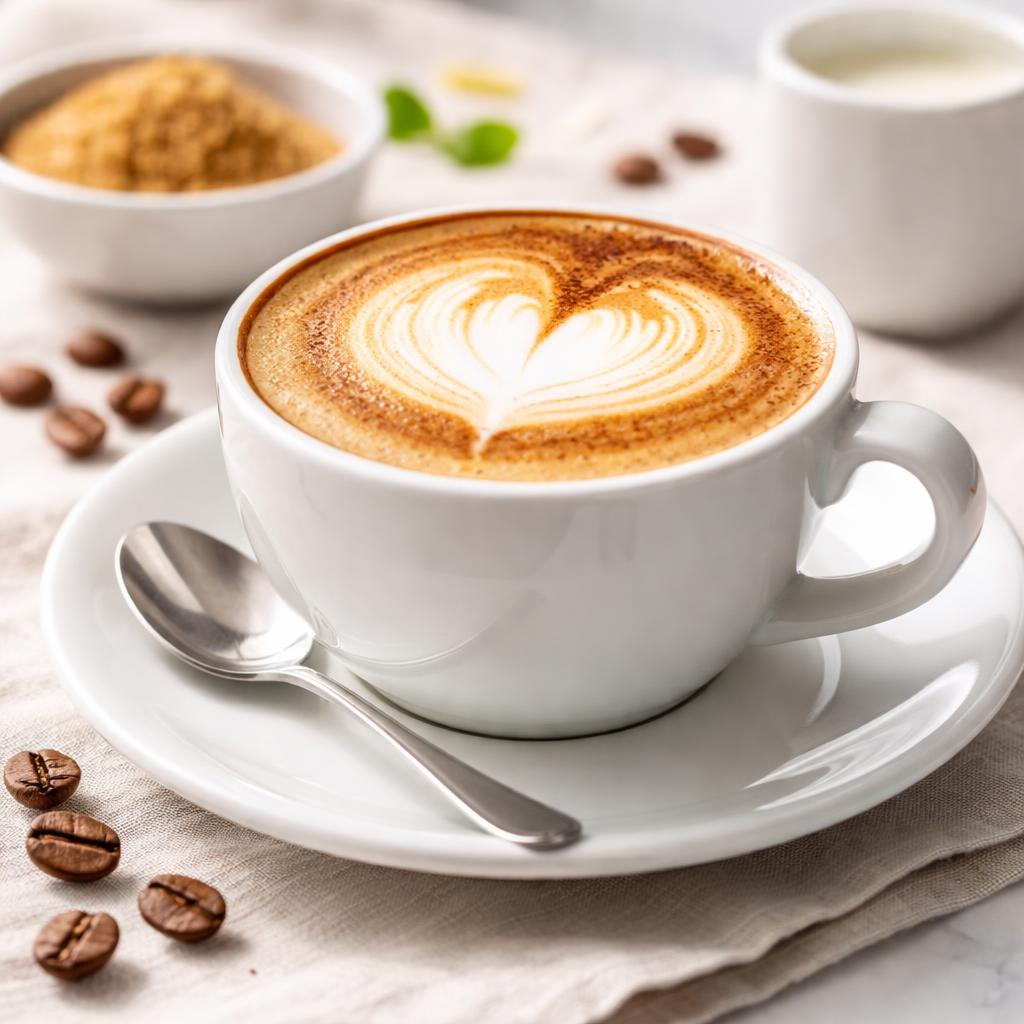
Cappuccino
🎯 Quick Verdict
Cheese and cappuccino serve vastly different nutritional roles. Cheese is high in protein, fat, and calcium, making it ideal for those seeking muscle maintenance or bone health support. Cappuccino, by contrast, is low-calorie with minimal macros but provides antioxidants and small amounts of nutrients from milk (if included), better for light energy boosts or pairing with meals.

Smart Nutrition Tracking with SnapCalorie

📊 Nutritional Comparison
Macronutrients
| Nutrient | Food 1 | Food 2 | Winner |
|---|---|---|---|
| Calories | 120 (per 1oz) | 60 (per 8oz) | ✓ |
| Protein | 7g | 2g | ✓ |
| Carbs | 1g | 5g | ✓ |
| Fat | 10g | 1g | ✓ |
| Fiber | 0g | 0.5g | ✓ |
Vitamins & Minerals
| Nutrient | Food 1 | Food 2 | Winner |
|---|---|---|---|
| Vitamin D | 0.1mcg | 0.5mcg (with milk) | ✓ |
| Calcium | 200mg | 100mg (with milk) | ✓ |
| Iron | 0.2mg | 0.1mg | ✓ |
🏆 Category Winners
Protein
Cheese is significantly higher in protein, delivering more than triple the amount per serving compared to cappuccino.
Fiber
While cappuccino is not fiber-rich, it slightly edges out cheese, which has no dietary fiber.
Calories
Cappuccino is considerably lower in calories than cheese, making it a lighter option.
Vitamins
Cheese is notably higher in calcium and modestly richer in iron compared to cappuccino, though cappuccino has more vitamin D with milk.
🥗 Diet Compatibility
Keto
Food 1: Compatible
Food 2: Compatible
Cheese fits well into keto diets because of its high fat and low carb content, while cappuccino (without added sugar) is also keto-friendly.
Vegan
Food 1: Not Compatible
Food 2: Not Compatible (unless made with plant milk)
Cheese and standard cappuccino are not vegan due to their dairy content.
Gluten Free
Food 1: Compatible
Food 2: Compatible
Neither contains gluten unless cappuccino is paired with certain ingredients like flavored syrups.
Paleo
Food 1: Not Compatible
Food 2: Not Compatible
Cheese and cappuccino, both dairy-based, typically do not align with strict paleo guidelines.
Low-Carb
Food 1: Compatible
Food 2: Compatible
Cheese is extremely low-carb, while cappuccino is also suitable with only 5g carbs per serving (without added sugar).
💪 Health Benefits Comparison
Food 1 Benefits
- High in protein to support muscle growth and maintenance
- Rich in calcium for strong bones and teeth
- Provides healthy fats that promote satiety and energy
Food 2 Benefits
- Low in calories, making it a great option for weight management
- Contains antioxidants from coffee to combat oxidative stress
- Provides small amounts of calcium and vitamin D (with milk) for bone support
✅ The Bottom Line
Cheese is the clear choice for anyone prioritizing protein, fat, or calcium intake, especially in weight gain or maintenance diets. Cappuccino, on the other hand, shines as a low-calorie and antioxidant-rich beverage for light energy and pairing with meals. Use cheese for muscle repair or as a keto-friendly snack, and cappuccino for a morning boost or lower-calorie option.
Choose Food 1 for: Weight gain diets, muscle building, keto-friendly snacks, bone health
Choose Food 2 for: Weight management, morning or midday energy, pairing with lighter meals


