Cheese VS Candy
A detailed nutritional comparison
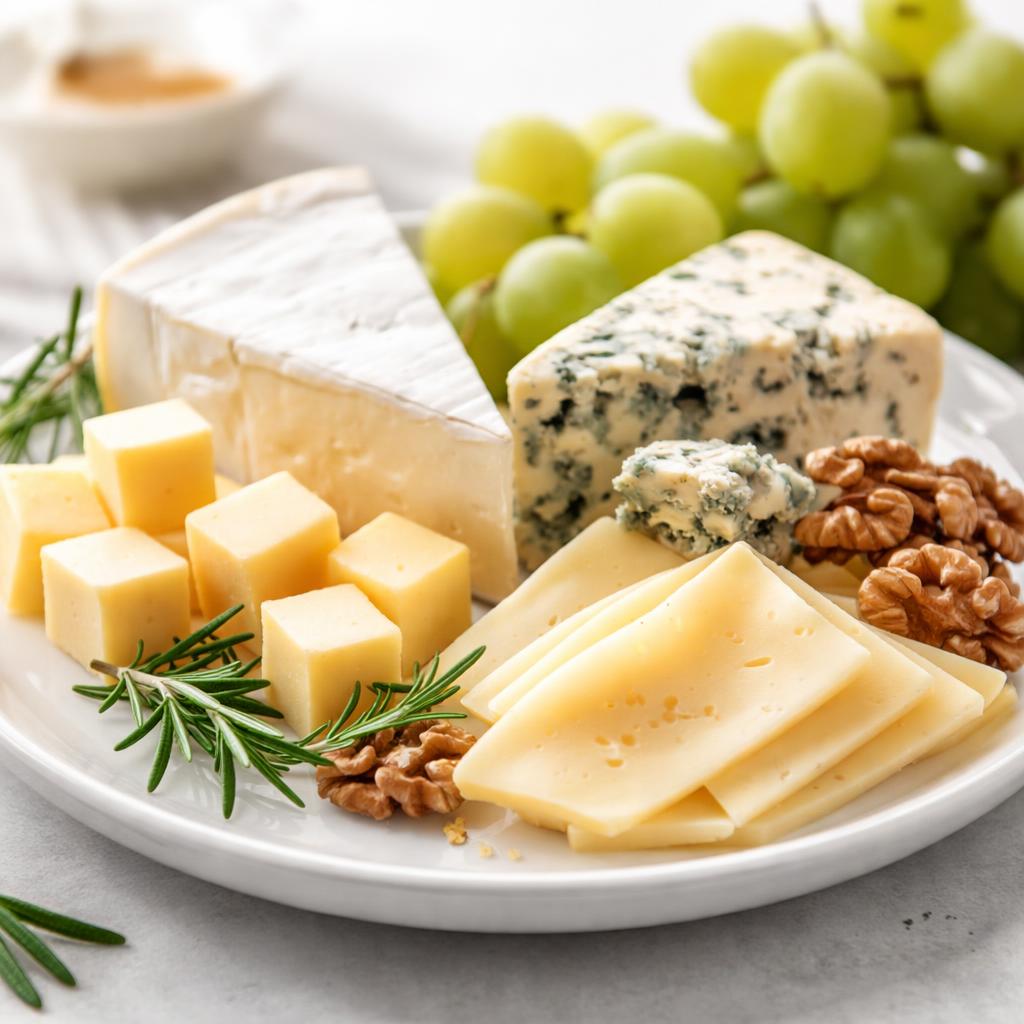
Cheese
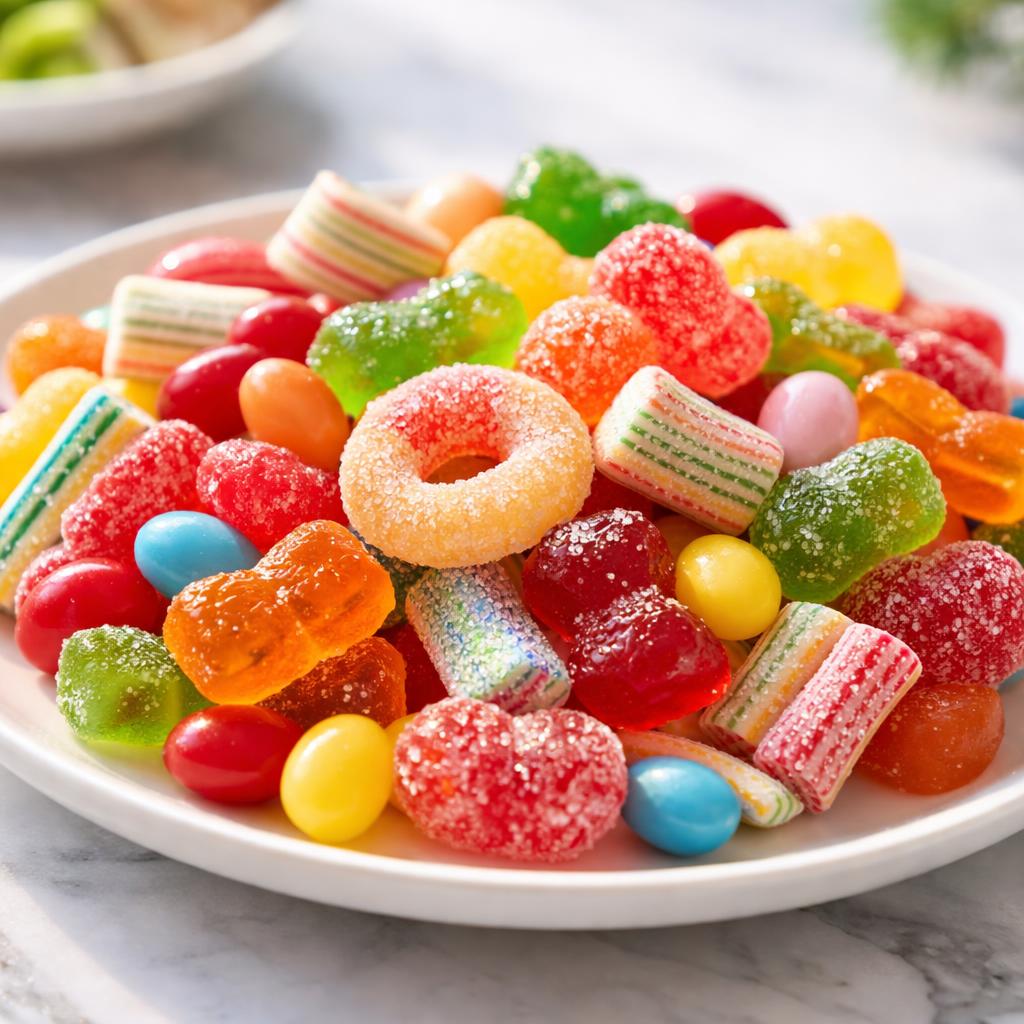
Candy
🎯 Quick Verdict
Cheese is a high-protein, higher-fat food that supports muscle maintenance and satiety, while candy is higher in sugar and offers quick energy but little nutrition. Cheese is generally more nutrient-dense and aligns better with balanced diets, whereas candy is best considered an occasional treat.

Smart Nutrition Tracking with SnapCalorie

📊 Nutritional Comparison
Macronutrients
| Nutrient | Food 1 | Food 2 | Winner |
|---|---|---|---|
| Calories | 110 | 150 | ✓ |
| Protein | 7g | 0g | ✓ |
| Carbs | 1g | 35g | ✓ |
| Fat | 9g | 0g | ✓ |
| Fiber | 0g | 0g | − |
Vitamins & Minerals
| Nutrient | Food 1 | Food 2 | Winner |
|---|---|---|---|
| Vitamin D | 1mcg | 0mcg | ✓ |
| Calcium | 200mg | 0mg | ✓ |
| Iron | 0mg | 1mg | ✓ |
🏆 Category Winners
Protein
Cheese has 7g of protein per serving, while candy contains none.
Fiber
Neither cheese nor candy is a source of dietary fiber.
Calories
Cheese has lower calories per serving at 110 compared to candy's 150.
Vitamins
Cheese provides essential vitamins like vitamin D and calcium, whereas candy lacks key nutrients.
🥗 Diet Compatibility
Keto
Food 1: Compatible
Food 2: Not Compatible
Cheese is low-carb and high-fat, while candy is high in sugar.
Vegan
Food 1: Not Compatible
Food 2: Compatible
Candy can be vegan depending on ingredients, but cheese is animal-derived.
Gluten Free
Food 1: Compatible
Food 2: Compatible
Neither cheese nor candy contains gluten in typical forms.
Paleo
Food 1: Not Compatible
Food 2: Not Compatible
Cheese and candy are not considered paleo-friendly.
Low Carb
Food 1: Compatible
Food 2: Not Compatible
Cheese has only 1g of carbohydrates per serving versus candy's 35g.
💪 Health Benefits Comparison
Food 1 Benefits
- Rich source of protein for muscle maintenance
- Provides calcium for strong bones and teeth
- Good source of vitamin D for immune and bone health
Food 2 Benefits
- Quick source of energy from simple sugars
- May contain antioxidants (if made from dark chocolate)
- Iron content can support red blood cell production
✅ The Bottom Line
Choose cheese for nutrient density, high-protein content, and satiety, making it suitable for balanced diets and snack options. Candy, on the other hand, is a high-carb, sugar-dense choice ideal for quick bursts of energy but should be consumed sparingly.
Choose Food 1 for: Snacking, muscle maintenance, low-carb diets
Choose Food 2 for: Occasional dessert, quick energy boost, satisfying sugar cravings


