Cheese VS Cabbage
A detailed nutritional comparison
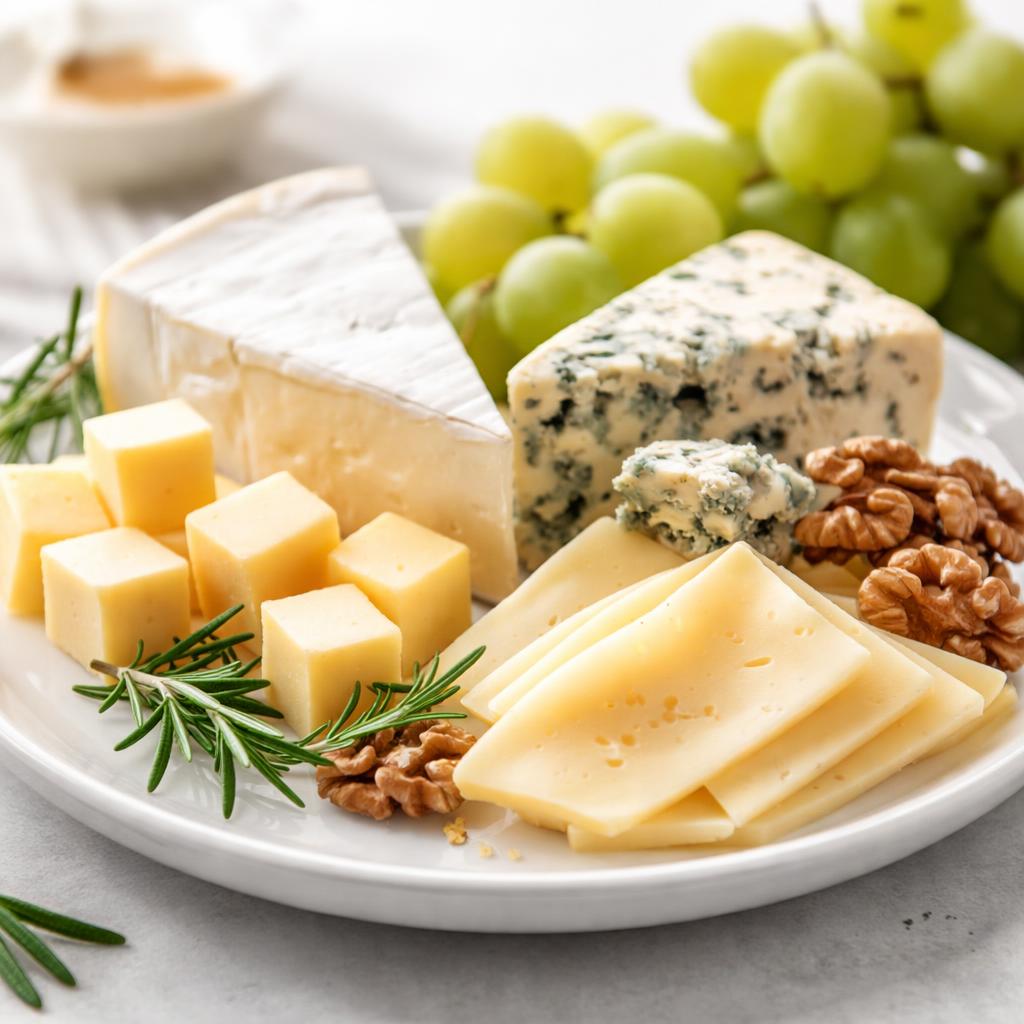
Cheese
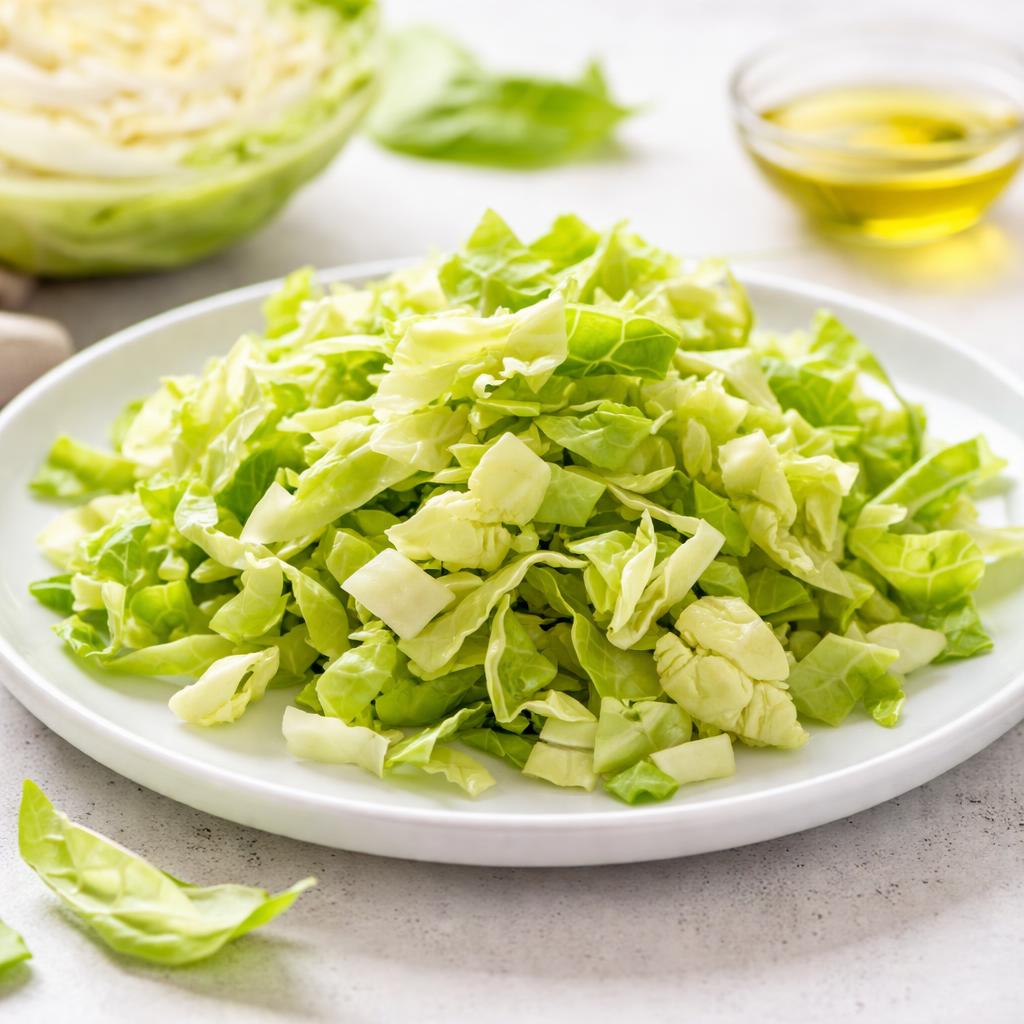
Cabbage
🎯 Quick Verdict
Cheese is a calorie-dense, high-protein food rich in calcium and vitamin D, making it ideal for building muscle and supporting bone health. Cabbage, on the other hand, is low in calories with a high fiber content and abundant antioxidants, making it perfect for weight management and digestive health. Both serve distinct dietary purposes based on nutritional priorities.

Smart Nutrition Tracking with SnapCalorie

📊 Nutritional Comparison
Macronutrients
| Nutrient | Food 1 | Food 2 | Winner |
|---|---|---|---|
| Calories | 112 per 1oz | 25 per 1 cup (89g) | ✓ |
| Protein | 6.3g per 1oz | 1g per 1 cup (89g) | ✓ |
| Carbs | 0.8g per 1oz | 5.8g per 1 cup (89g) | ✓ |
| Fat | 9.3g per 1oz | 0.1g per 1 cup (89g) | ✓ |
| Fiber | 0g per 1oz | 2.2g per 1 cup (89g) | ✓ |
Vitamins & Minerals
| Nutrient | Food 1 | Food 2 | Winner |
|---|---|---|---|
| Vitamin D | 0.2mcg per 1oz | 0mcg | ✓ |
| Calcium | 200mg per 1oz | 36mg per 1 cup (89g) | ✓ |
| Vitamin C | 0mg per 1oz | 32mg per 1 cup (89g) | ✓ |
| Iron | 0.1mg per 1oz | 0.5mg per 1 cup (89g) | ✓ |
🏆 Category Winners
Protein
Cheese offers 6.3g of protein per ounce, significantly more than cabbage's 1g per cup.
Fiber
Cabbage contains 2.2g of fiber per serving, while cheese has none.
Calories
Cabbage is much lower in calories, with only 25 per cup compared to 112 in 1 ounce of cheese.
Vitamins
Cheese excels in calcium and vitamin D, while cabbage is rich in vitamin C and iron.
🥗 Diet Compatibility
Keto
Food 1: Compatible
Food 2: Not Compatible
Cheese fits well on a keto diet due to its high-fat, low-carb content; cabbage is higher in carbs.
Vegan
Food 1: Not Compatible
Food 2: Compatible
Cheese is an animal product; cabbage is plant-based.
Gluten Free
Food 1: Compatible
Food 2: Compatible
Neither cheese nor cabbage contains gluten.
Paleo
Food 1: Not Compatible
Food 2: Compatible
Cheese is excluded on strict paleo diets, while cabbage is allowable.
Low-Carb
Food 1: Compatible
Food 2: Compatible
Both foods have low net carbs, though cheese is better suited for stricter carb limits.
💪 Health Benefits Comparison
Food 1 Benefits
- High in protein to support muscle repair and growth
- Rich in calcium for strong bones and teeth
- Contains vitamin D, which aids calcium absorption
Food 2 Benefits
- High fiber content supports healthy digestion
- Low calorie density is ideal for weight management
- Rich in vitamin C, boosting immune health and skin repair
- Contains phytonutrients and antioxidants for overall health
✅ The Bottom Line
Choose cheese for protein, calcium, and satisfying flavors, particularly if you're focused on strength training or following a keto diet. Select cabbage for low-calorie, high-fiber meals, especially for weight loss or improving digestion. Both foods complement different dietary contexts well.
Choose Food 1 for: High-protein diets, keto, post-workout recovery
Choose Food 2 for: Weight loss, vegan meals, digestive health


