Cheese VS Breakfast Sandwich
A detailed nutritional comparison
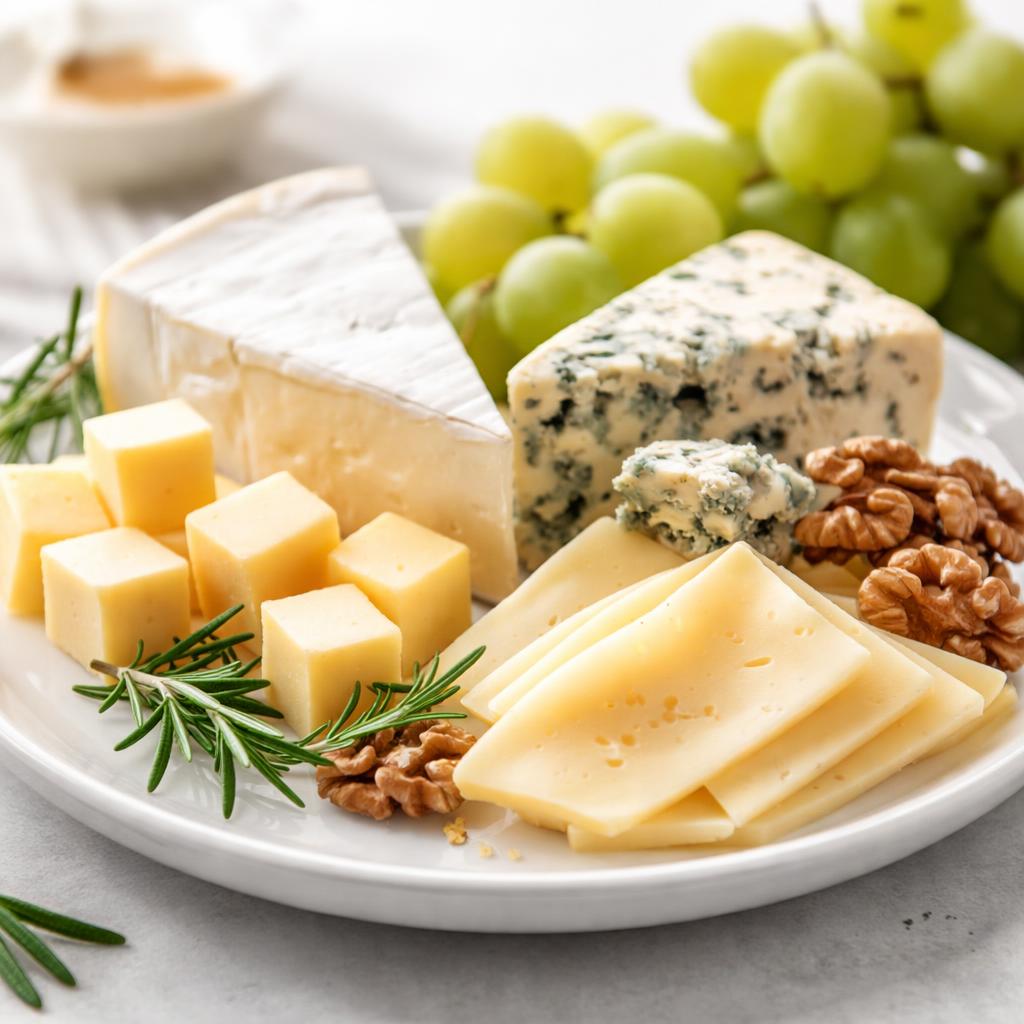
Cheese
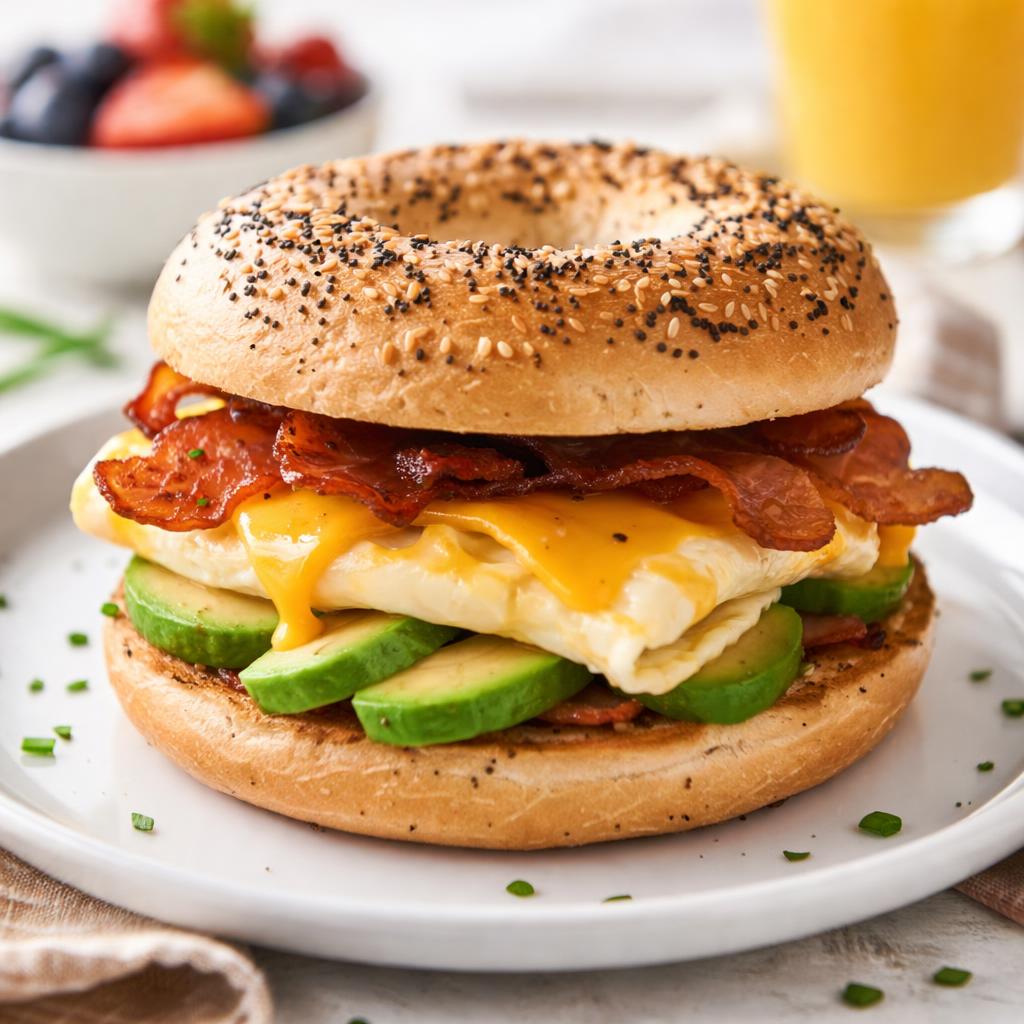
Breakfast Sandwich
🎯 Quick Verdict
Cheese is a nutrient-dense option that excels in protein and has fewer calories compared to a breakfast sandwich. On the other hand, breakfast sandwiches provide more fiber and are balanced with additional carbs, fats, and vitamins. Choose cheese for concentrated nutrients or breakfast sandwiches for convenience and variety.

Smart Nutrition Tracking with SnapCalorie

📊 Nutritional Comparison
Macronutrients
| Nutrient | Food 1 | Food 2 | Winner |
|---|---|---|---|
| Calories | 120 | 300 | ✓ |
| Protein | 7g | 12g | ✓ |
| Carbs | 1g | 28g | ✓ |
| Fat | 10g | 14g | ✓ |
| Fiber | 0g | 3g | ✓ |
Vitamins & Minerals
| Nutrient | Food 1 | Food 2 | Winner |
|---|---|---|---|
| Vitamin D | 0.8mcg | 0.5mcg | ✓ |
| Calcium | 200mg | 150mg | ✓ |
| Iron | 0mg | 1.8mg | ✓ |
| Vitamin C | 0mg | 5mg | ✓ |
🏆 Category Winners
Protein
Food2 (breakfast sandwich) provides nearly 70% more protein per serving compared to food1 (cheese).
Fiber
Food2 contains 3g of fiber per serving, while food1 has no fiber.
Calories
Food1 (cheese) has 60% fewer calories per serving making it a lower-calorie option.
Vitamins
Food2 is more balanced with additional iron and vitamin C compared to food1.
🥗 Diet Compatibility
Keto
Food 1: Compatible
Food 2: Not Compatible
Food1 is low-carb with only 1g of carbohydrates per serving.
Vegan
Food 1: Not Compatible
Food 2: Not Compatible
Both contain animal products.
Gluten Free
Food 1: Compatible
Food 2: Not Compatible
Food2 typically uses bread, which contains gluten.
Paleo
Food 1: Not Compatible
Food 2: Not Compatible
Both are processed and do not fit strict paleo standards.
Low-Carb
Food 1: Compatible
Food 2: Not Compatible
Food1 is very low-carb (1g per serving), whereas food2 has 28g of carbohydrates.
💪 Health Benefits Comparison
Food 1 Benefits
- High in protein for muscle maintenance
- Excellent source of calcium for bone health
- Low carbohydrate content suits keto and low-carb diets
Food 2 Benefits
- Provides balanced macronutrients for sustained energy
- Good source of fiber for digestion
- Contains iron and vitamin C for immune support and oxygen transport
✅ The Bottom Line
Cheese is ideal when looking for a low-carb, high-protein snack with fewer calories. Breakfast sandwiches are more appropriate for a fiber-rich, well-rounded meal that provides energy and additional vitamins. Both have distinct applications depending on dietary goals and meal needs.
Choose Food 1 for: Low-carb, keto diets, bone health, weight control
Choose Food 2 for: Energy-boosting meals, fiber intake, balanced nutrition on-the-go


