Cheese VS Blackberry
A detailed nutritional comparison
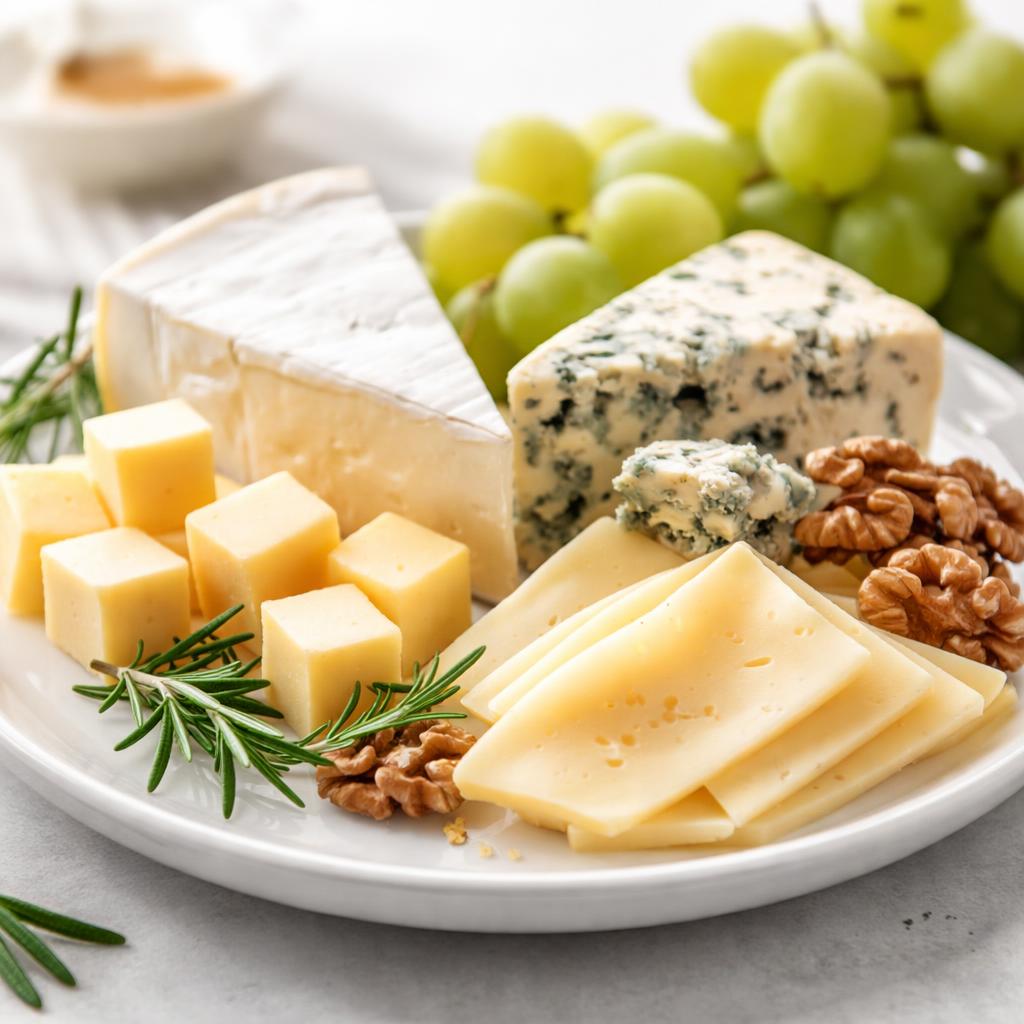
Cheese
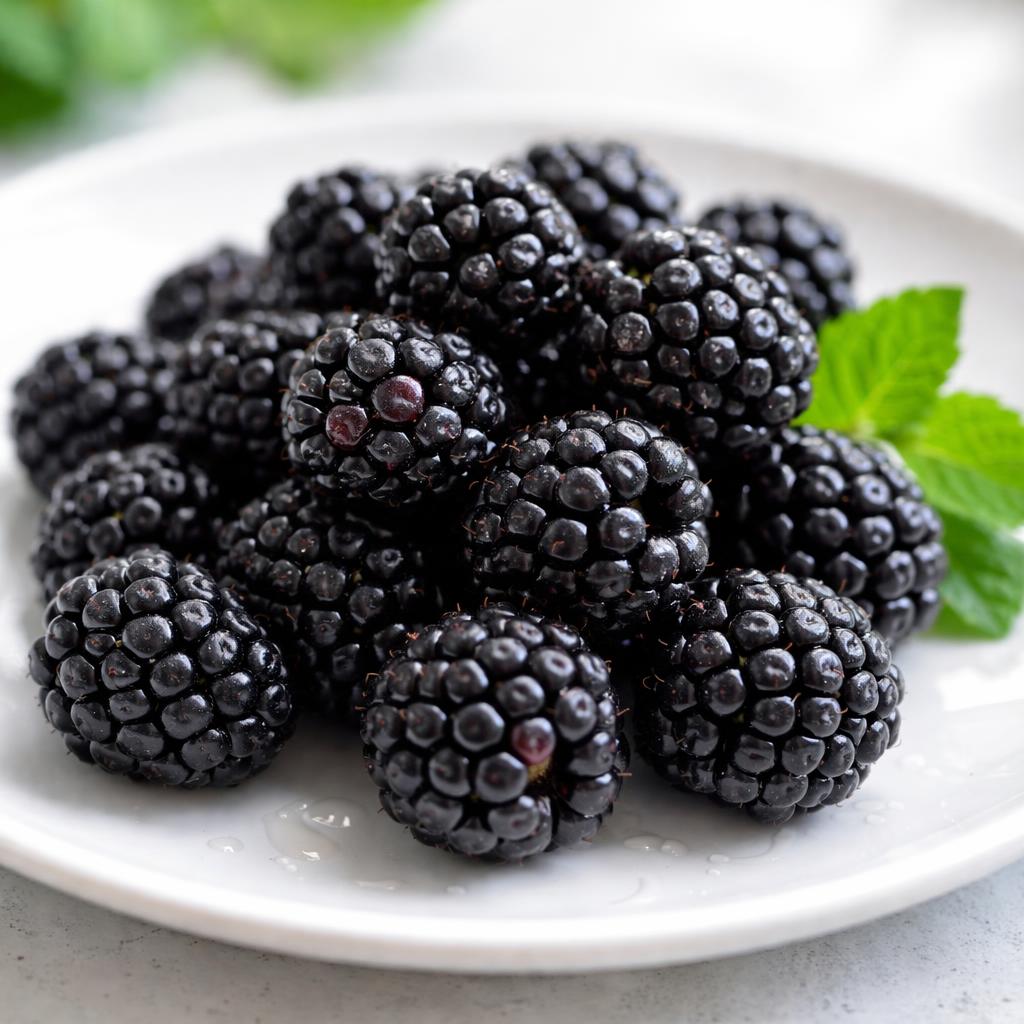
Blackberry
🎯 Quick Verdict
Cheese is a dense source of protein, calcium, and healthy fats, making it ideal for muscle maintenance and keto diets. Blackberries, on the other hand, are lower in calories and packed with fiber, antioxidants, and vitamin C, supporting digestive health and immune function. Choose cheese for protein needs or blackberries for a nutrient-dense snack rich in fiber and vitamins.

Smart Nutrition Tracking with SnapCalorie

📊 Nutritional Comparison
Macronutrients
| Nutrient | Food 1 | Food 2 | Winner |
|---|---|---|---|
| Calories | 113 (per ounce) | 43 (per cup) | − |
| Protein | 7g | 1g | − |
| Carbs | 0.4g | 10g | − |
| Fat | 9g | 0.5g | − |
| Fiber | 0g | 7g | − |
Vitamins & Minerals
| Nutrient | Food 1 | Food 2 | Winner |
|---|---|---|---|
| Vitamin C | 0mg | 30mg | − |
| Calcium | 200mg | 40mg | − |
| Iron | 0.2mg | 1mg | − |
🏆 Category Winners
Protein
Cheese provides 7x more protein per serving.
Fiber
Blackberries contain 7g fiber per serving, while cheese has none.
Calories
Blackberries are much lower in calories, ideal for weight management.
Vitamins
Blackberries are a richer source of vitamin C and iron.
🥗 Diet Compatibility
Keto
Food 1: Compatible
Food 2: Not Compatible
Cheese is very low-carb, while blackberries contain 10g carbs per cup.
Vegan
Food 1: Not Compatible
Food 2: Compatible
Cheese is animal-based, while blackberries are plant-based.
Gluten Free
Food 1: Compatible
Food 2: Compatible
Both foods are naturally gluten-free.
Paleo
Food 1: Not Compatible
Food 2: Compatible
Cheese is excluded from paleo diets; blackberries are included.
Low Carb
Food 1: Compatible
Food 2: Not Compatible
Cheese is low in carbs (<1g per serving), while blackberries contain 10g carbs per cup.
💪 Health Benefits Comparison
Food 1 Benefits
Food 2 Benefits
✅ The Bottom Line
Cheese is a better choice for high-protein, low-carb diets and for post-workout recovery, while blackberries are ideal for low-calorie, high-fiber snacks with immune-boosting vitamins. Both foods serve different purposes depending on dietary needs.
Choose Food 1 for: Weight loss on keto, protein boost, muscle repair
Choose Food 2 for: Gut health, antioxidant-rich snacks, vitamin C boost


