Cheese VS Black Beans
A detailed nutritional comparison
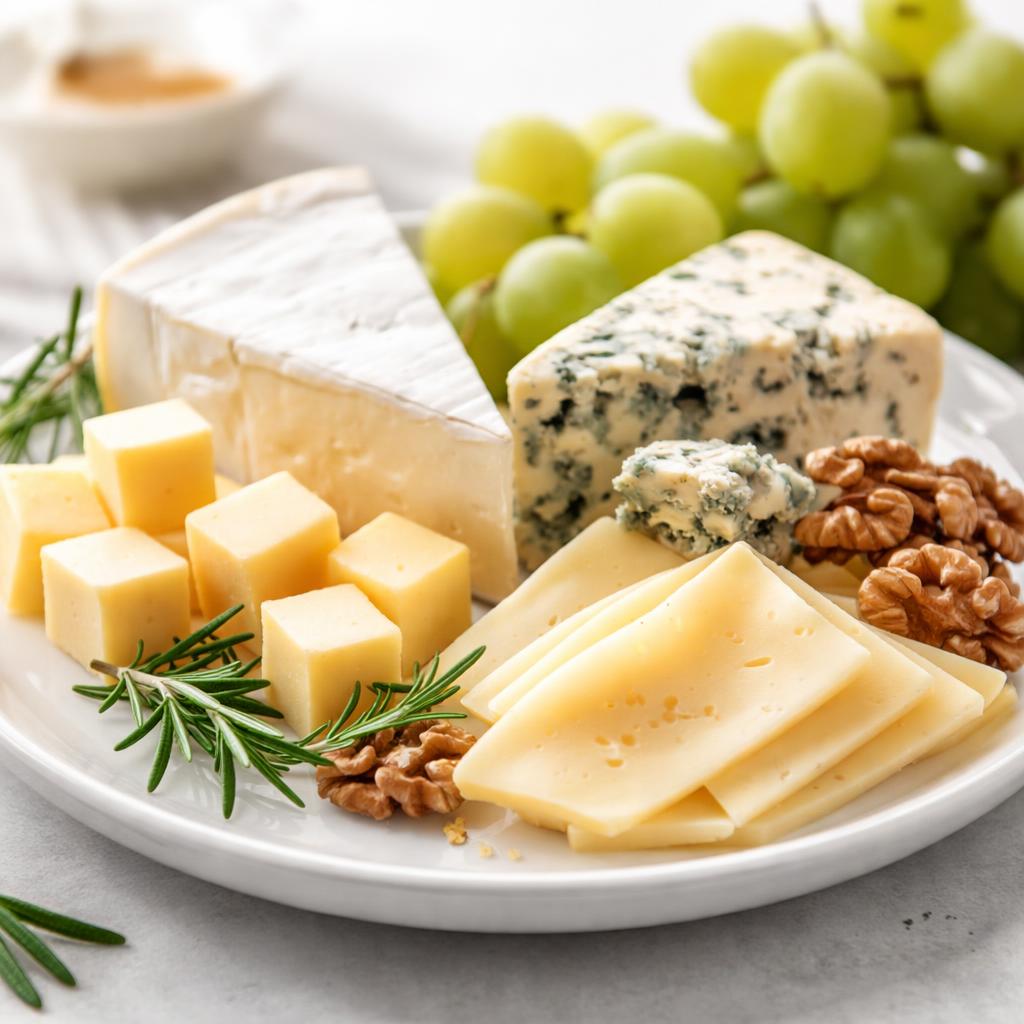
Cheese
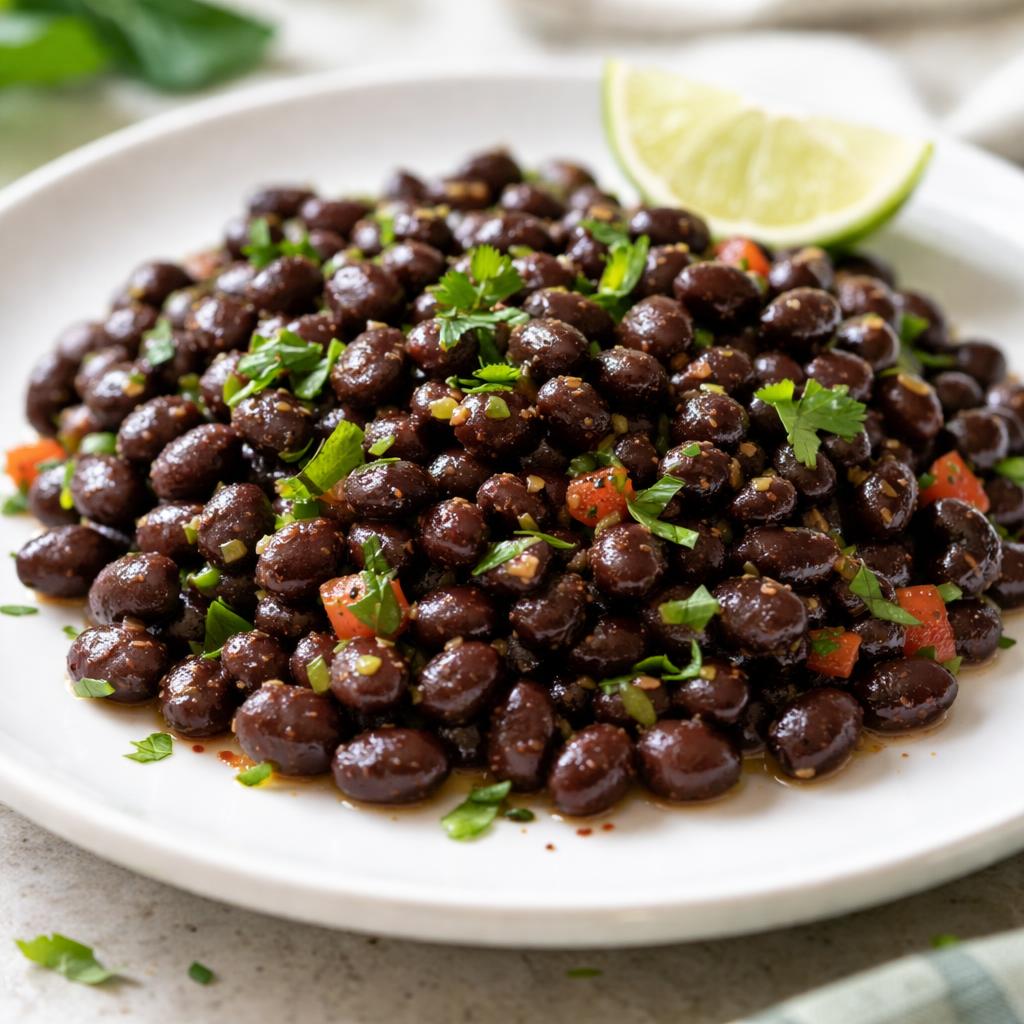
Black Beans
🎯 Quick Verdict
Cheese and black beans have distinct nutritional profiles suited for different dietary goals. Cheese is higher in protein and lower in calories, making it ideal for low-carb and keto diets. Meanwhile, black beans excel in fiber and overall nutrient density, making them better for digestion and heart health. Both are gluten-free and versatile ingredients depending on your needs.

Smart Nutrition Tracking with SnapCalorie

📊 Nutritional Comparison
Macronutrients
| Nutrient | Food 1 | Food 2 | Winner |
|---|---|---|---|
| Calories | 113 (per 1oz cheddar) | 227 (per 1 cup cooked) | ✓ |
| Protein | 7g | 15g | ✓ |
| Carbs | 1g | 40g | ✓ |
| Fat | 9g | 0.5g | ✓ |
| Fiber | 0g | 15g | ✓ |
Vitamins & Minerals
| Nutrient | Food 1 | Food 2 | Winner |
|---|---|---|---|
| Vitamin D | 12IU | 0IU | ✓ |
| Calcium | 200mg | 46mg | ✓ |
| Iron | 0mg | 3.6mg | ✓ |
🏆 Category Winners
Protein
Black beans deliver over double the protein per serving compared to cheese.
Fiber
Black beans provide 15g of fiber per serving, while cheese contains none.
Calories
Cheese has lower calories per serving, suitable for calorie-conscious diets.
Vitamins
Cheese is a better source of calcium and vitamin D, while black beans excel in iron.
🥗 Diet Compatibility
Keto
Food 1: Compatible
Food 2: Not Compatible
Cheese is low-carb, while black beans are high-carb.
Vegan
Food 1: Not Compatible
Food 2: Compatible
Cheese is animal-based, while black beans are plant-based.
Gluten Free
Food 1: Compatible
Food 2: Compatible
Neither product contains gluten.
Paleo
Food 1: Not Compatible
Food 2: Compatible
Cheese is dairy, which is excluded from some paleo diets.
Low-Carb
Food 1: Compatible
Food 2: Not Compatible
Cheese is very low in carbohydrates; black beans are high-carbohydrate.
💪 Health Benefits Comparison
Food 1 Benefits
- High in calcium for bone health
- Contains vitamin D for immune support
- Great source of protein for muscle maintenance
Food 2 Benefits
- Excellent source of dietary fiber for digestion
- Rich in iron for improving oxygen transport in the blood
- Provides plant-based protein for heart health
✅ The Bottom Line
Choose cheese when prioritizing low-carb, keto-friendly, or calcium-rich diets. Opt for black beans to boost fiber intake, plant protein, and overall nutrient density. Both foods have unique benefits depending on your dietary priorities.
Choose Food 1 for: Low-carb diets, keto, calcium boost, quick protein source
Choose Food 2 for: High-fiber diets, vegan protein, heart health, digestion


