Cheese VS Big Mac
A detailed nutritional comparison
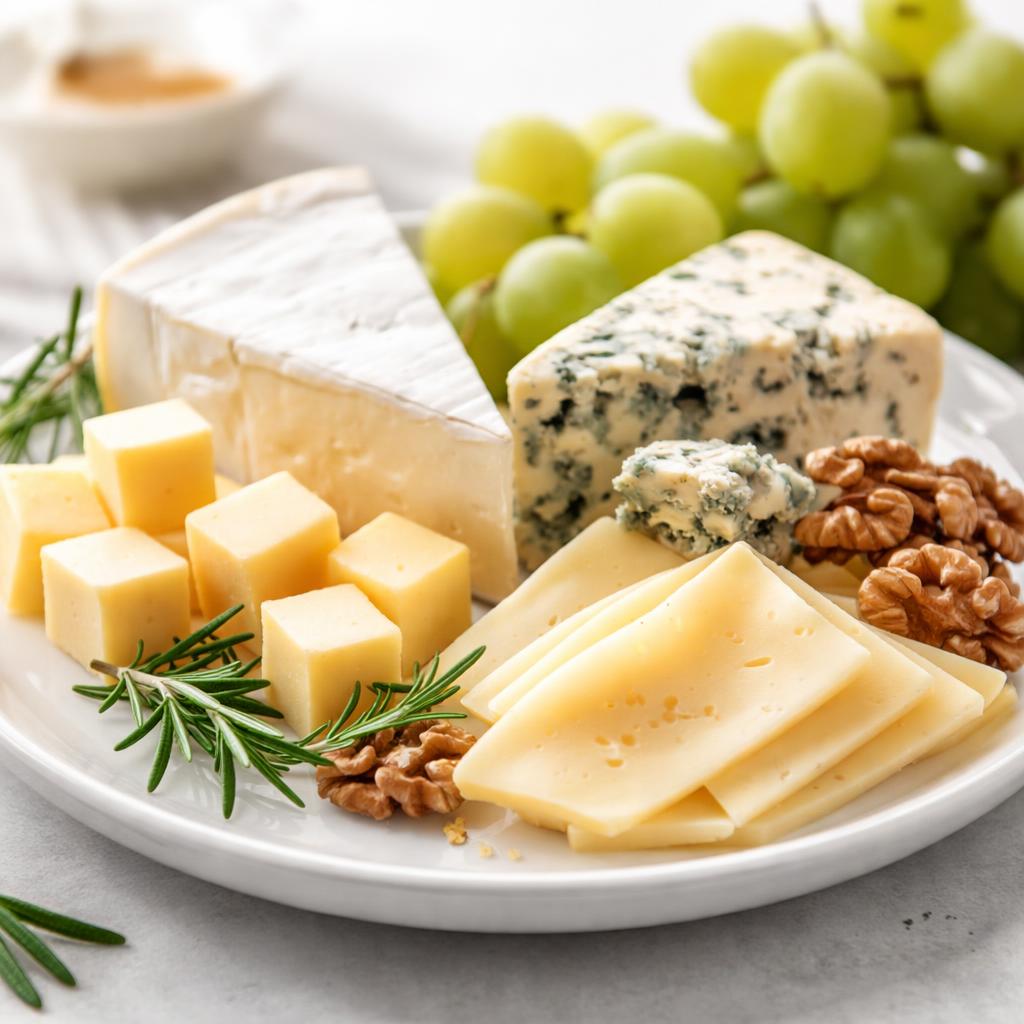
Cheese
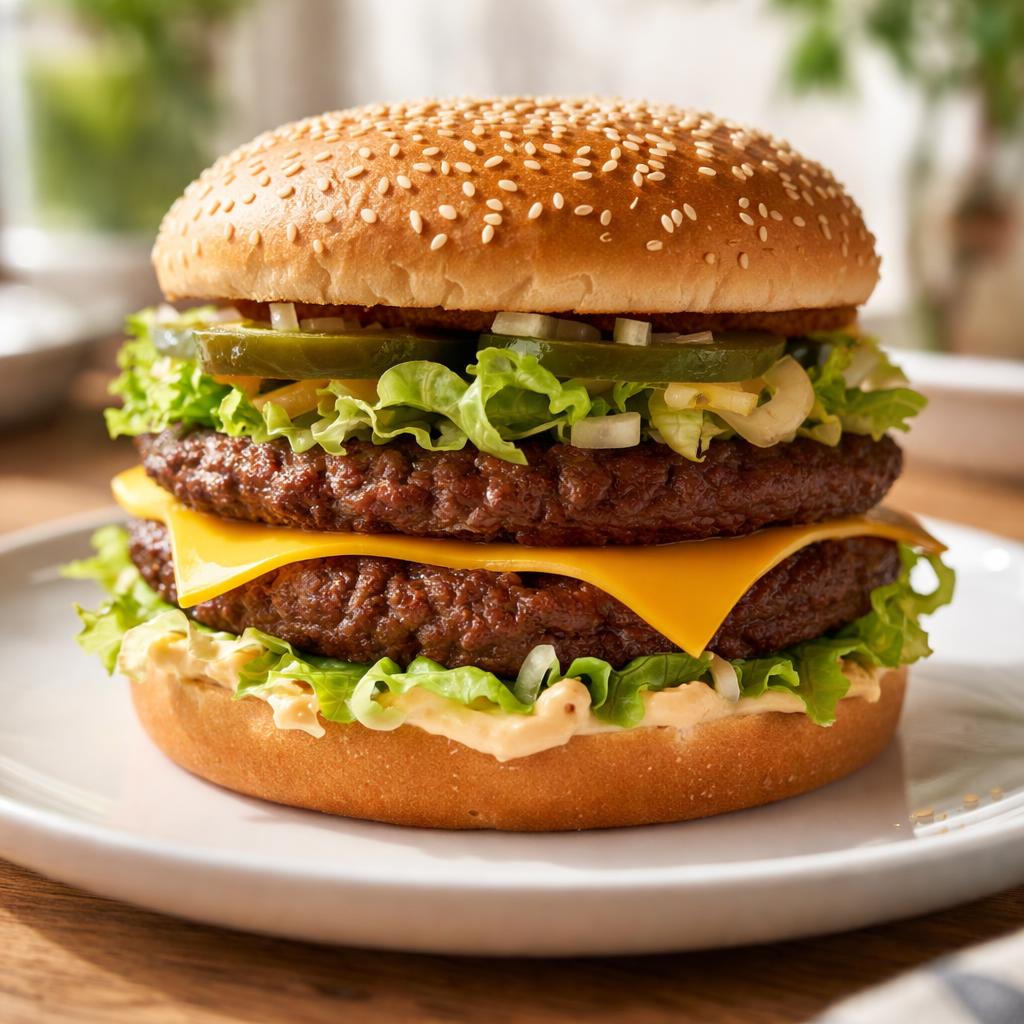
Big Mac
🎯 Quick Verdict
Cheese and the Big Mac differ significantly in their nutritional profiles. Cheese is higher in protein and lower in calories per serving, making it a better option for weight-loss and high-protein diets. On the other hand, the Big Mac offers more fiber and a broader spectrum of vitamins and minerals, making it suitable for balanced meals or energy-rich diets.

Smart Nutrition Tracking with SnapCalorie

📊 Nutritional Comparison
Macronutrients
| Nutrient | Food 1 | Food 2 | Winner |
|---|---|---|---|
| Calories | 113 (per 1 ounce) | 550 (per sandwich) | ✓ |
| Protein | 7g | 25g | ✓ |
| Carbs | 0.4g | 45g | ✓ |
| Fat | 9g | 30g | ✓ |
| Fiber | 0g | 4g | ✓ |
Vitamins & Minerals
| Nutrient | Food 1 | Food 2 | Winner |
|---|---|---|---|
| Vitamin D | 0.1mcg | 0.3mcg | ✓ |
| Calcium | 200mg | 110mg | ✓ |
| Iron | 0mg | 3.6mg | ✓ |
🏆 Category Winners
Protein
Food2 provides 25g of protein per serving, compared to 7g in cheese.
Fiber
Food2 has 4g of fiber, whereas cheese contains none.
Calories
Food1 has significantly fewer calories per serving (113 vs. 550).
🥗 Diet Compatibility
Keto
Food 1: Compatible
Food 2: Not Compatible
Cheese is low-carb, while Big Mac is high-carb due to the bun.
Vegan
Food 1: Not Compatible
Food 2: Not Compatible
Both contain animal-derived ingredients.
Gluten Free
Food 1: Compatible
Food 2: Not Compatible
Cheese is naturally gluten-free while the bun in Big Mac contains gluten.
Paleo
Food 1: Not Compatible
Food 2: Not Compatible
Both foods are processed and do not fit paleo guidelines.
Low-Carb
Food 1: Compatible
Food 2: Not Compatible
Cheese contains negligible carbs while Big Mac is high in carbohydrates.
💪 Health Benefits Comparison
Food 1 Benefits
- Rich in calcium for bone health
- High in protein for muscle repair and maintenance
- Contains beneficial fats for energy
Food 2 Benefits
- Good source of iron for oxygen transport
- Provides fiber for digestive health
- Offers energy and vitamins for a balanced diet
✅ The Bottom Line
Choose cheese for weight loss, keto or low-carb diets, or if you are looking for a protein-rich snack that is lower in calories. Opt for a Big Mac for a hearty, balanced meal when energy and fiber are your priority, while keeping in mind its higher calorie and carb content.
Choose Food 1 for: Weight loss, keto diets, low-carb diets, snack or side dish
Choose Food 2 for: Balanced meals, energy replenishment, fiber intake


