Cheese VS Bell Peppers
A detailed nutritional comparison
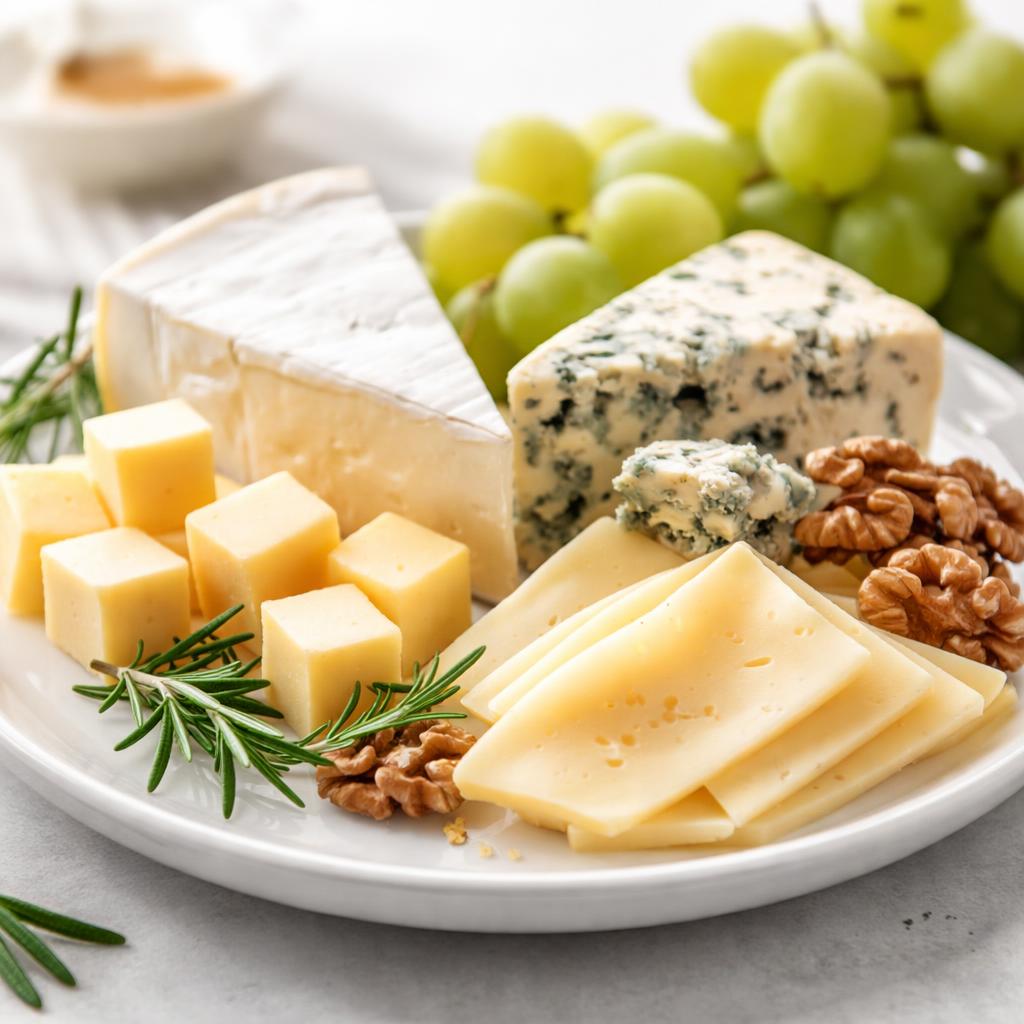
Cheese
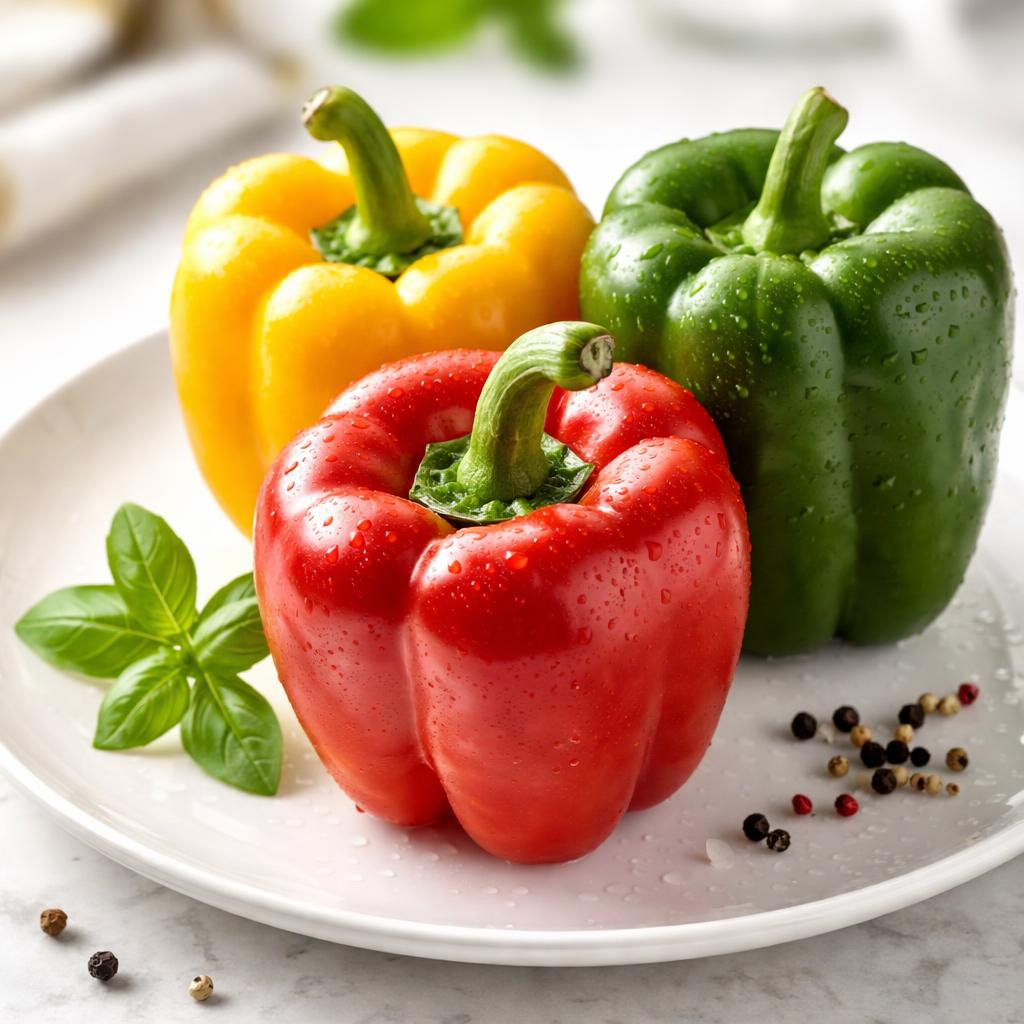
Bell Peppers
🎯 Quick Verdict
Cheese is higher in protein, fats, and calories, making it more suitable for keto diets or weight gain. Bell peppers are lower in calories and rich in fiber, vitamins, and antioxidants, making them ideal for low-calorie diets and general health support. Each serves distinct dietary purposes based on individual needs and goals.

Smart Nutrition Tracking with SnapCalorie

📊 Nutritional Comparison
Macronutrients
| Nutrient | Food 1 | Food 2 | Winner |
|---|---|---|---|
| Calories | 115 | 40 | ✓ |
| Protein | 7g | 1g | ✓ |
| Carbs | 1g | 10g | ✓ |
| Fat | 9g | 0.2g | ✓ |
| Fiber | 0g | 3g | ✓ |
Vitamins & Minerals
| Nutrient | Food 1 | Food 2 | Winner |
|---|---|---|---|
| Vitamin C | 0.5mg | 152mg | ✓ |
| Vitamin A | 300IU | 3100IU | ✓ |
| Calcium | 200mg | 10mg | ✓ |
| Iron | 0.2mg | 0.3mg | ✓ |
🏆 Category Winners
Protein
Cheese contains 7g of protein, significantly more than bell peppers' 1g.
Fiber
Bell peppers provide 3g of fiber, while cheese contains none.
Calories
Bell peppers are much lower in calories (40) compared to cheese (115).
Vitamins
Bell peppers excel in vitamin content, offering significantly higher amounts of Vitamin C and A.
🥗 Diet Compatibility
Keto
Food 1: Compatible
Food 2: Compatible
Cheese is high-fat and low-carb, whereas bell peppers are low-carb and nutrient-dense.
Vegan
Food 1: Not Compatible
Food 2: Compatible
Cheese contains dairy, while bell peppers are plant-based.
Gluten Free
Food 1: Compatible
Food 2: Compatible
Neither food contains gluten.
Paleo
Food 1: Not Compatible
Food 2: Compatible
Cheese is not considered paleo due to dairy restrictions.
Low Carbohydrate
Food 1: Compatible
Food 2: Compatible
Both foods are low-carb options.
💪 Health Benefits Comparison
Food 1 Benefits
- High in protein for muscle repair and maintenance
- Rich in calcium for bone health
- Contains healthy fats for energy and hormone support
Food 2 Benefits
- Abundant in Vitamin C for immune support and skin health
- Rich in fiber for improved digestion
- Low-calorie and nutrient-dense, supporting weight loss and metabolic health
- High in antioxidants to combat oxidative stress
✅ The Bottom Line
Cheese and bell peppers offer distinct health benefits depending on dietary goals. Choose cheese for high-protein, keto, or weight gain needs. Opt for bell peppers if you're focusing on low-calorie meals, vitamin intake, or general nutrient density.
Choose Food 1 for: Keto, high-protein diets, weight gain
Choose Food 2 for: Low-calorie diets, immunity boost, heart health


