Cheese VS Bell Pepper
A detailed nutritional comparison
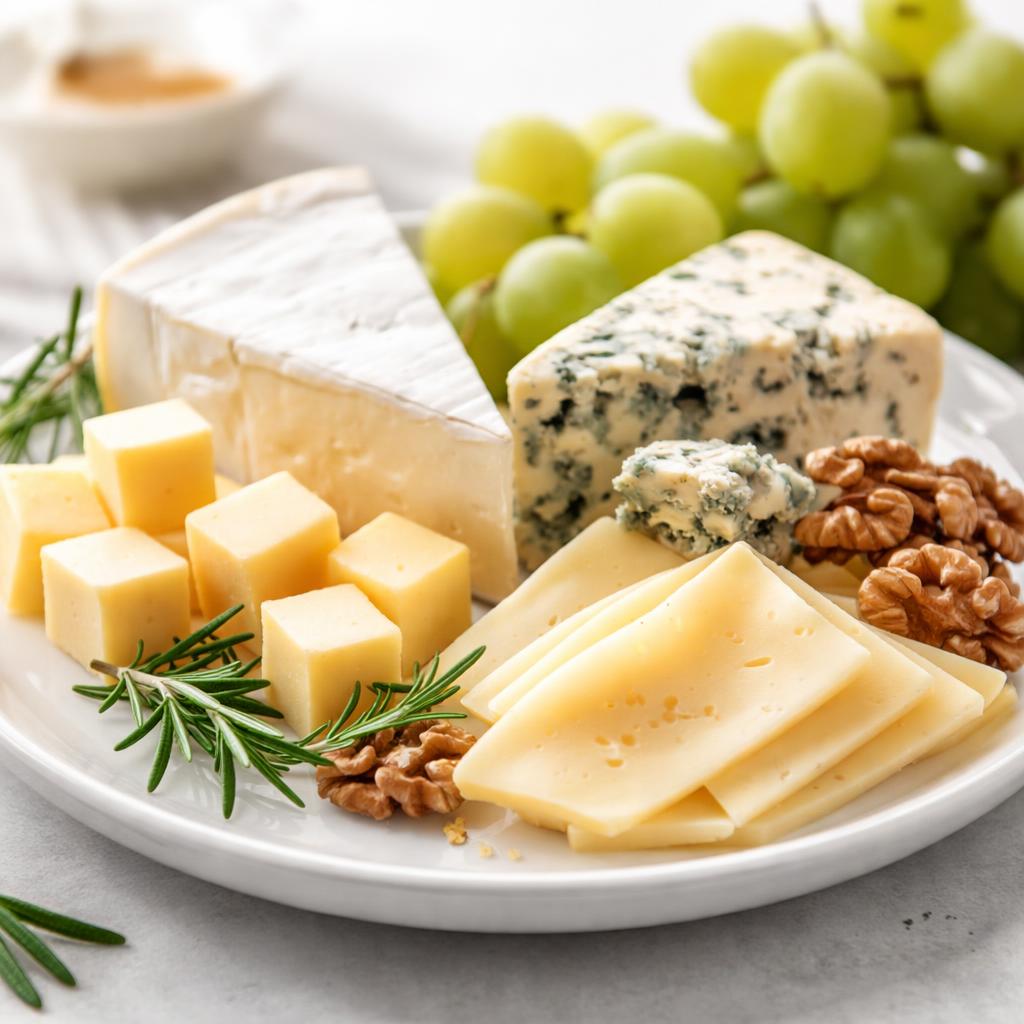
Cheese
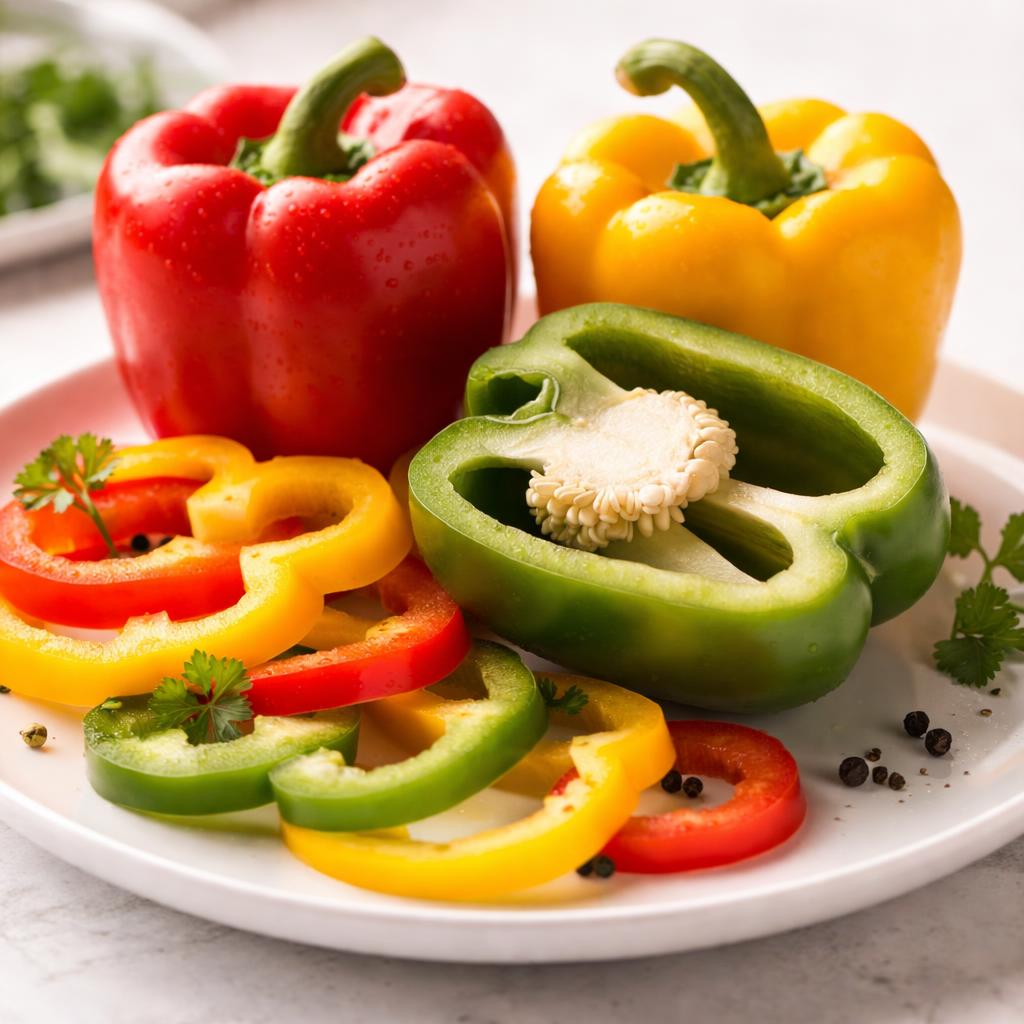
Bell Pepper
🎯 Quick Verdict
Cheese and bell peppers differ significantly in their nutritional profiles. Cheese is a high-protein, calcium-rich food that is calorie-dense, while bell peppers are low in calories and packed with fiber, vitamins, and antioxidants. Cheese is ideal for those focusing on protein; bell peppers suit low-calorie diets and those needing micronutrient variety.

Smart Nutrition Tracking with SnapCalorie

📊 Nutritional Comparison
Macronutrients
| Nutrient | Food 1 | Food 2 | Winner |
|---|---|---|---|
| Calories | 113 (per 1 oz) | 30 (per 1 cup, chopped) | ✓ |
| Protein | 7g | 1g | ✓ |
| Carbs | 1g | 7g | ✓ |
| Fat | 9g | 0g | ✓ |
| Fiber | 0g | 2.5g | ✓ |
Vitamins & Minerals
| Nutrient | Food 1 | Food 2 | Winner |
|---|---|---|---|
| Vitamin C | 0mg | 95mg | ✓ |
| Vitamin A | 300 IU | 560 IU | ✓ |
| Calcium | 200mg | 11mg | ✓ |
| Iron | 0.2mg | 0.4mg | ✓ |
🏆 Category Winners
Protein
Cheese contains 7x more protein per serving than bell peppers.
Fiber
Bell peppers provide fiber while cheese contains none.
Calories
Bell peppers are far lower in calories, making them ideal for weight loss diets.
Vitamins
Bell peppers outshine cheese in Vitamin C and Vitamin A content.
🥗 Diet Compatibility
Keto
Food 1: Compatible
Food 2: Not Compatible
Cheese is low in carbs and suitable for keto while bell peppers have moderate carbs.
Vegan
Food 1: Not Compatible
Food 2: Compatible
Cheese is an animal product while bell peppers are plant-based.
Gluten Free
Food 1: Compatible
Food 2: Compatible
Both cheese and bell peppers are naturally gluten-free.
Paleo
Food 1: Not Compatible
Food 2: Compatible
Bell peppers align with paleo guidelines whereas cheese does not.
Low Carb
Food 1: Compatible
Food 2: Not Compatible
Cheese is extremely low-carb; bell peppers contain higher carbohydrate levels.
💪 Health Benefits Comparison
Food 1 Benefits
- Excellent source of calcium for bone health
- Rich in protein for muscle maintenance and repair
- Provides healthy fats for sustained energy
Food 2 Benefits
- High Vitamin C content supports immune function
- Rich in antioxidants that protect cells from damage
- Low in calories and high in fiber supporting weight loss and digestion
✅ The Bottom Line
Cheese is best for those seeking a protein-rich snack, especially if on keto or low-carb diets, while bell peppers are optimal for people aiming to boost vitamin intake and maintain a low-calorie diet. Both foods serve valuable niches within nutritious meal planning.
Choose Food 1 for: Keto diets, muscle building, calcium intake
Choose Food 2 for: Low-calorie diets, immune support, antioxidant benefits


