Cheese VS Beetroot Salad
A detailed nutritional comparison
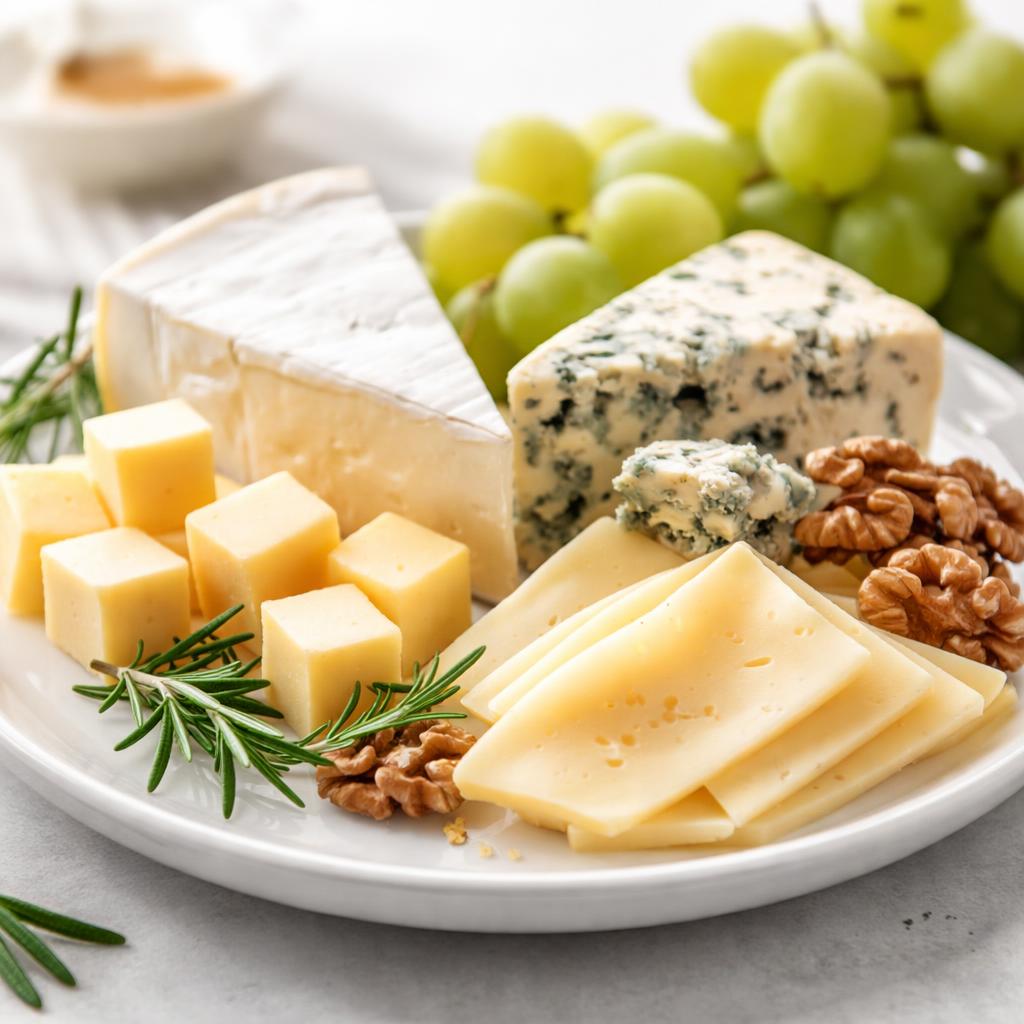
Cheese
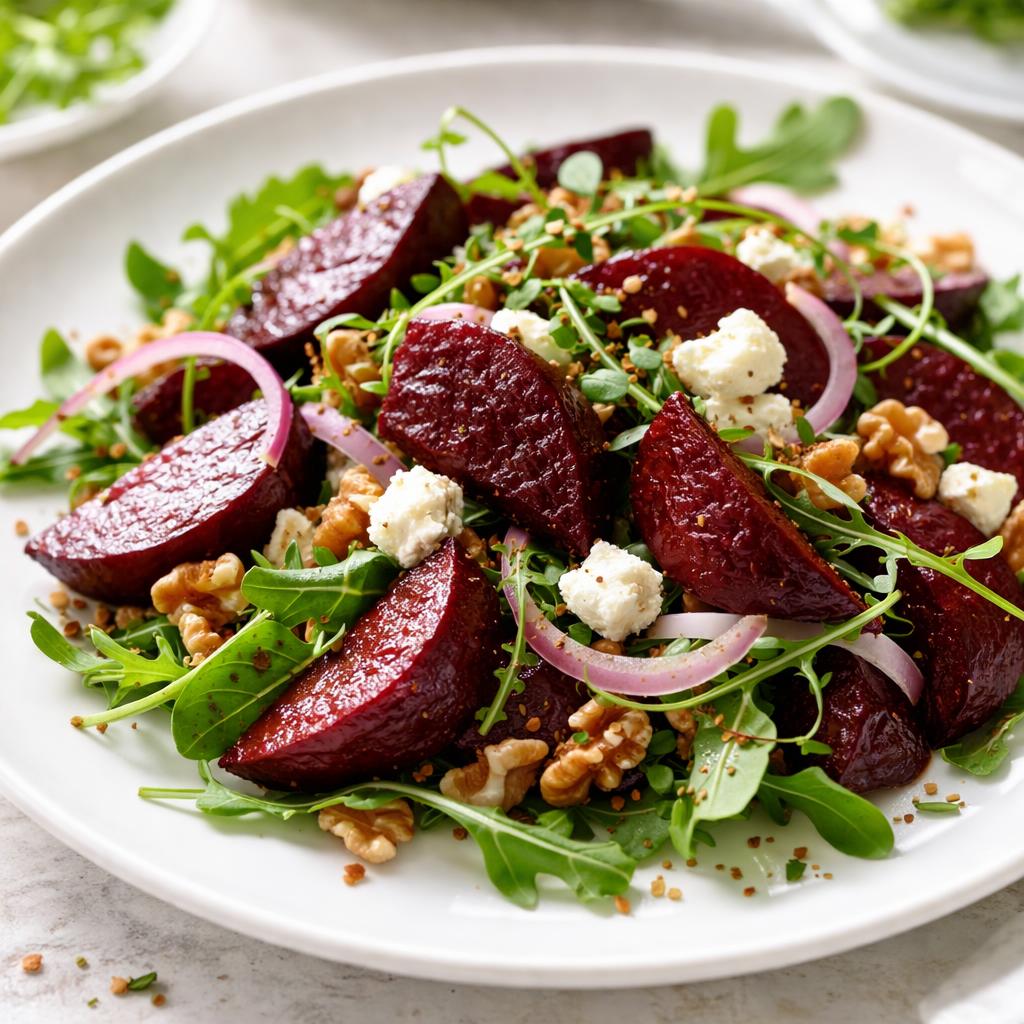
Beetroot Salad
🎯 Quick Verdict
Cheese excels in protein and fat content, making it ideal for muscle maintenance or keto diets, while beetroot salad is lower in calories, higher in fiber, and provides antioxidants, making it great for digestion and heart health. Both foods serve different dietary purposes depending on your goals and preferences.

Smart Nutrition Tracking with SnapCalorie

📊 Nutritional Comparison
Macronutrients
| Nutrient | Food 1 | Food 2 | Winner |
|---|---|---|---|
| Calories | 403 (100g cheddar) | 50 (100g beetroot salad) | ✓ |
| Protein | 25g | 1.5g | ✓ |
| Carbs | 1.3g | 11g | ✓ |
| Fat | 33g | 0.5g | ✓ |
| Fiber | 0g | 2.8g | ✓ |
Vitamins & Minerals
| Nutrient | Food 1 | Food 2 | Winner |
|---|---|---|---|
| Vitamin A | 317mcg | 0mcg | ✓ |
| Vitamin C | 0mg | 4.9mg | ✓ |
| Calcium | 721mg | 16mg | ✓ |
| Iron | 0.72mg | 0.8mg | ✓ |
🏆 Category Winners
Protein
Cheese contains 25x more protein per serving than beetroot salad.
Fiber
Beetroot salad provides 2.8g of fiber, aiding digestion, while cheese has none.
Calories
Beetroot salad is over 90% lower in calories compared to cheese.
Vitamins
Cheese offers vitamin A and calcium, while beetroot salad provides vitamin C and iron.
🥗 Diet Compatibility
Keto
Food 1: Compatible
Food 2: Not Compatible
Cheese has negligible carbs, making it highly keto-friendly.
Vegan
Food 1: Not Compatible
Food 2: Compatible
Cheese is derived from animal products, while beetroot salad is plant-based.
Gluten Free
Food 1: Compatible
Food 2: Compatible
Neither cheese nor beetroot salad contains gluten.
Paleo
Food 1: Not Compatible
Food 2: Compatible
Cheese is not allowed on Paleo diets, while beetroot salad aligns with Paleo principles.
Low-Carb
Food 1: Compatible
Food 2: Not Compatible
Cheese is extremely low-carb (1.3g per 100g), while beetroot salad is relatively higher at 11g per 100g.
💪 Health Benefits Comparison
Food 1 Benefits
- Rich in calcium for strong bones and teeth
- High protein content for muscle-building
- Source of vitamin A for eye health and immunity
Food 2 Benefits
- High in fiber for better digestion and gut health
- Contains antioxidants to reduce inflammation
- Supports heart health through nitrates found in beetroot
✅ The Bottom Line
Choose cheese if you need a high-protein, low-carb, calorie-dense option, such as for keto diets or post-workout recovery. Opt for beetroot salad when seeking a low-calorie, nutrient-rich food with fiber and antioxidants that support heart health and digestion.
Choose Food 1 for: Muscle-building, keto diets, calcium-rich snacking
Choose Food 2 for: Weight loss, gut health, heart-friendly diets


