Cheese VS Beet Salad
A detailed nutritional comparison
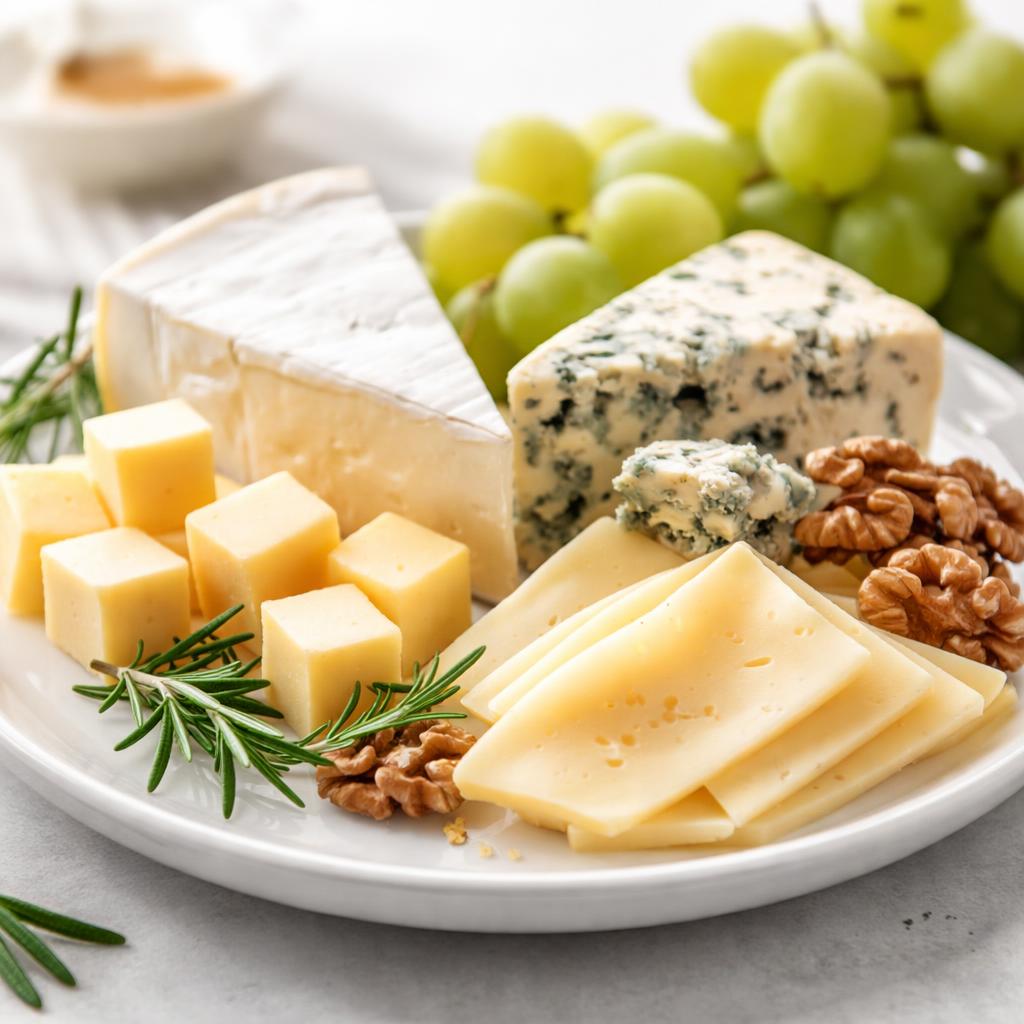
Cheese
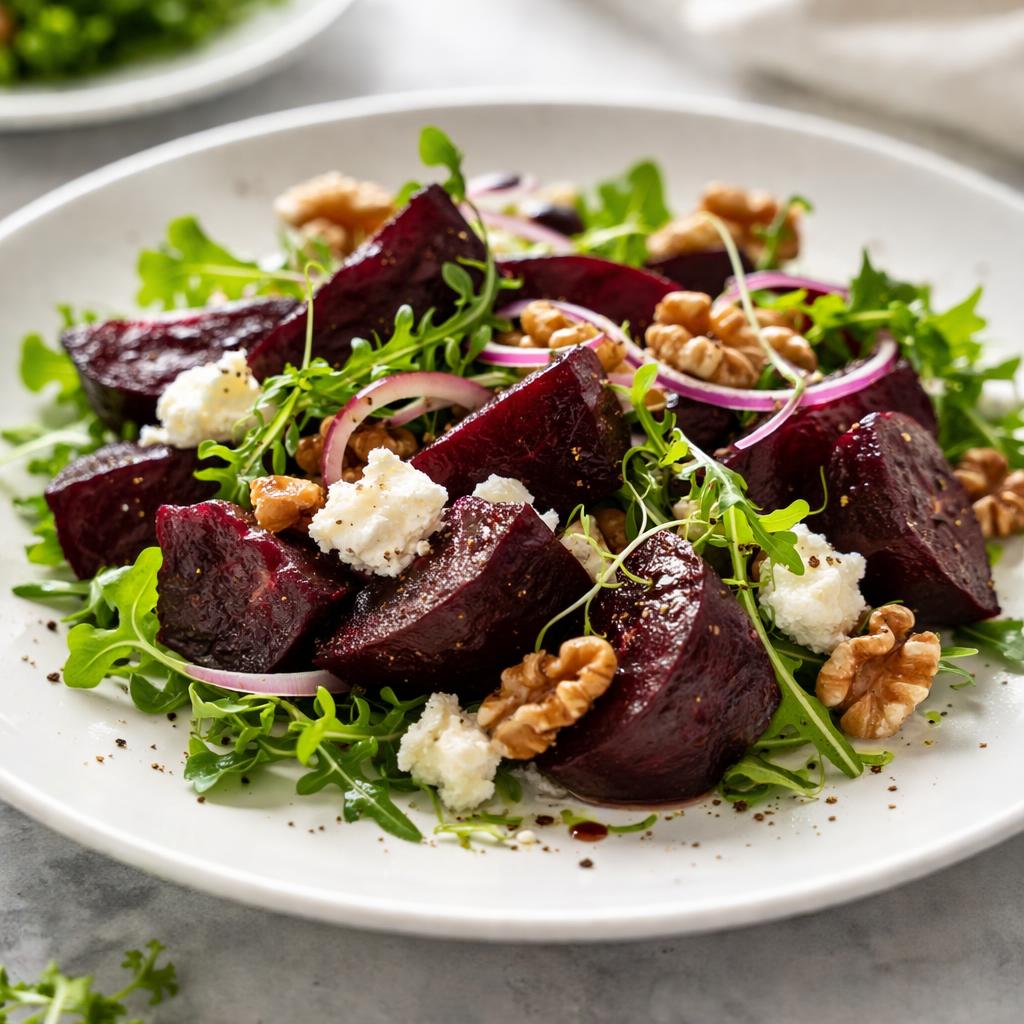
Beet Salad
🎯 Quick Verdict
Cheese is higher in protein, calcium, and fat, making it ideal for muscle-building or low-carb diets. On the other hand, beet salad is significantly lower in calories, higher in fiber, and rich in antioxidants, making it a better option for weight loss, digestion, and overall heart health. Both have unique strengths for different dietary goals.

Smart Nutrition Tracking with SnapCalorie

📊 Nutritional Comparison
Macronutrients
| Nutrient | Food 1 | Food 2 | Winner |
|---|---|---|---|
| Calories | 400 (per 100g) | 90 (per 100g) | ✓ |
| Protein | 25g | 2g | ✓ |
| Carbs | 1g | 20g | ✓ |
| Fat | 33g | 0.5g | ✓ |
| Fiber | 0g | 4g | ✓ |
Vitamins & Minerals
| Nutrient | Food 1 | Food 2 | Winner |
|---|---|---|---|
| Vitamin D | 0.3mcg | 0mcg | ✓ |
| Calcium | 720mg | 16mg | ✓ |
| Iron | 0.1mg | 1mg | ✓ |
| Vitamin C | 0mg | 4.9mg | ✓ |
🏆 Category Winners
Protein
Cheese has 1250% more protein per serving compared to beet salad.
Fiber
Beet salad provides 4g of fiber while cheese has none.
Calories
Beet salad is far lower in calories, with only 90 calories per serving versus cheese's 400 calories.
Vitamins
Beet salad is rich in vitamin C and iron, offering more diversity in micronutrients.
🥗 Diet Compatibility
Keto
Food 1: Compatible
Food 2: Not Compatible
Cheese is low-carb, making it suitable for ketogenic diets.
Vegan
Food 1: Not Compatible
Food 2: Compatible
Cheese is animal-derived, while beet salad is plant-based.
Gluten Free
Food 1: Compatible
Food 2: Compatible
Neither food contains gluten.
Paleo
Food 1: Not Compatible
Food 2: Compatible
Cheese is processed, while beet salad aligns with whole-food principles.
Low-Carb
Food 1: Compatible
Food 2: Not Compatible
Cheese is exceptionally low in carbs (only 1g per serving).
💪 Health Benefits Comparison
Food 1 Benefits
- Rich in protein for muscle-building and repair
- High calcium content promotes bone health
- Contains beneficial fats for energy and cellular health
Food 2 Benefits
- High fiber aids in digestion and supports gut health
- Rich in antioxidants and vitamin C for immune support
- Includes iron, which supports oxygen transport and energy metabolism
✅ The Bottom Line
Cheese is ideal for those prioritizing protein intake, low-carb diets, or needing calcium for bone health, while beet salad is better for calorie-conscious eaters, improving digestion, and gaining antioxidants. Choose cheese for keto or muscle-building goals, and opt for beet salad for weight loss or heart health benefits.
Choose Food 1 for: Low-carb diets, muscle repair, post-workout nourishment
Choose Food 2 for: Weight loss, digestive health, antioxidant intake


