Cauliflower Rice VS Pasta With Cheese
A detailed nutritional comparison
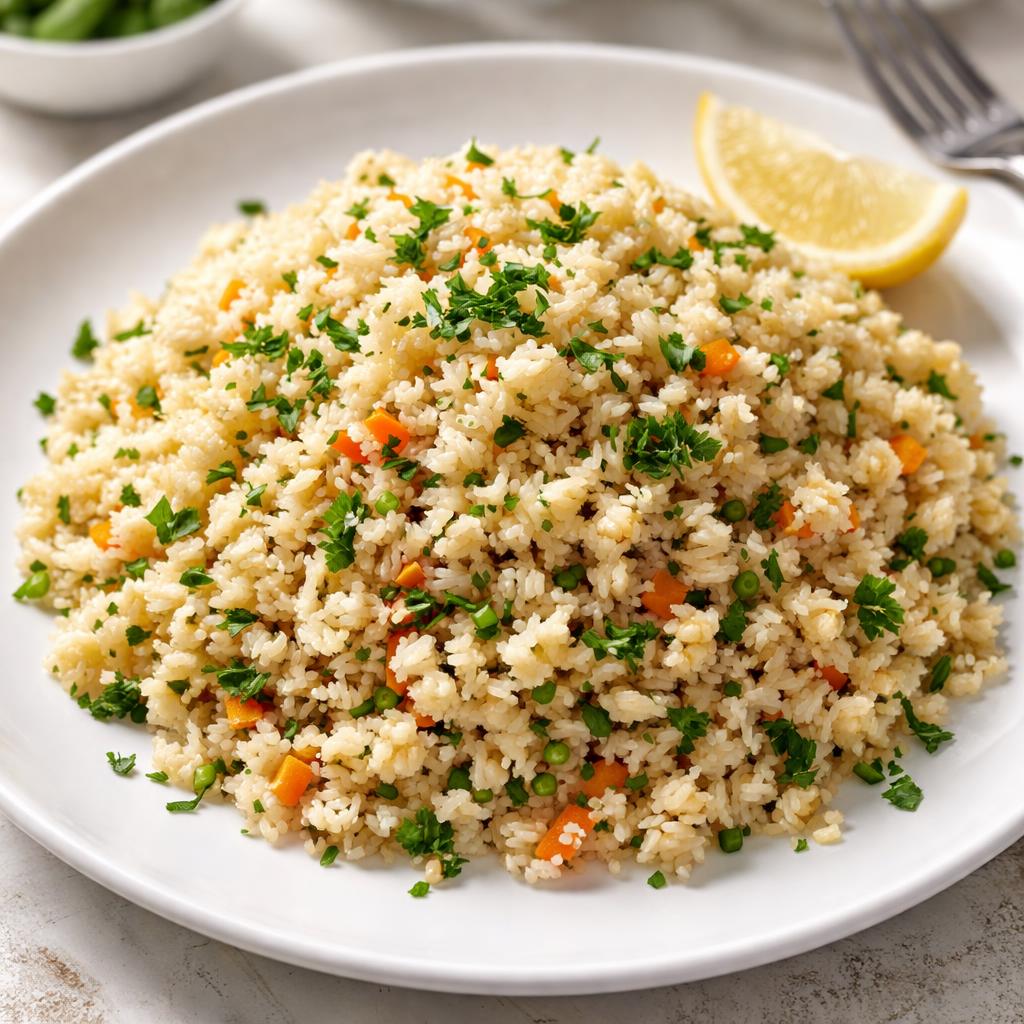
Cauliflower Rice
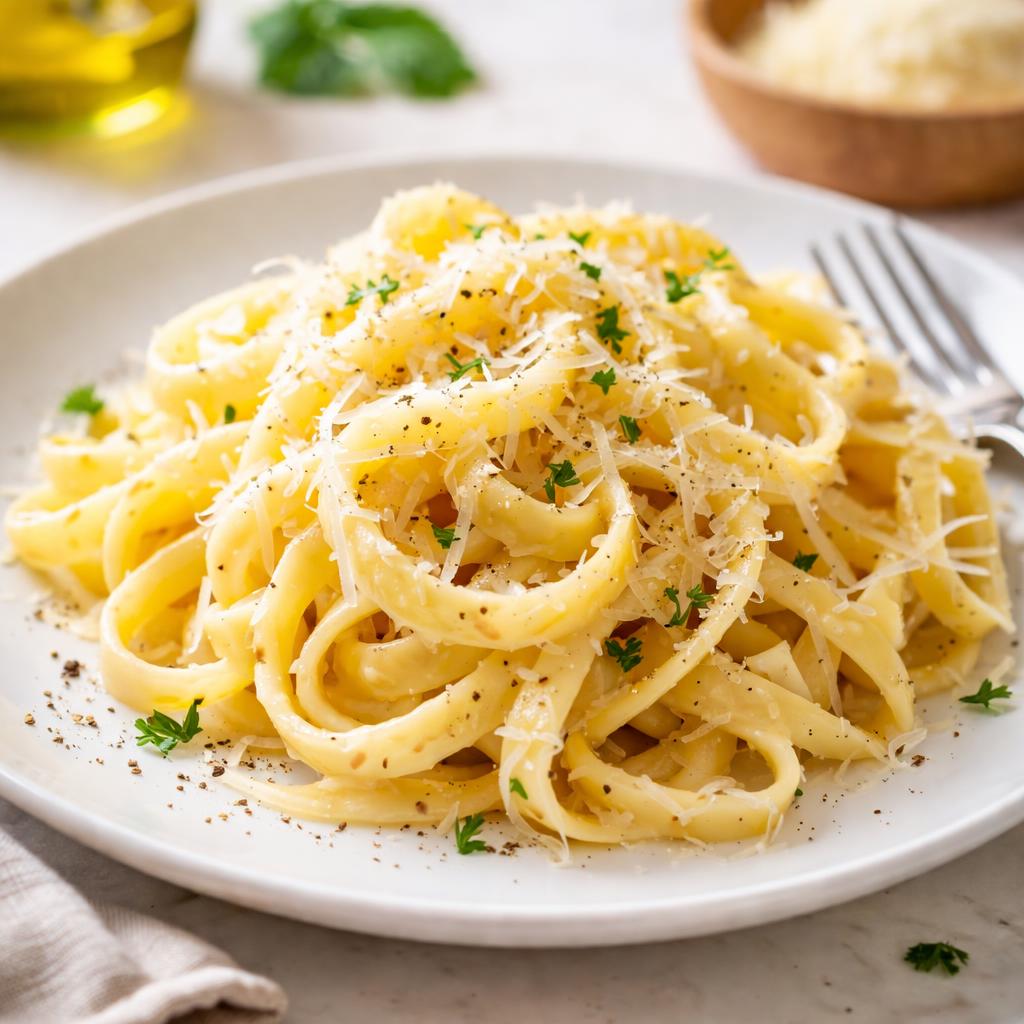
Pasta With Cheese
🎯 Quick Verdict
Cauliflower rice is a nutrient-dense, low-calorie option ideal for weight loss and low-carb diets, providing more fiber and fewer calories than pasta with cheese. Pasta with cheese, on the other hand, is higher in protein and energy, making it a better choice for individuals seeking sustained energy or muscle repair.

Smart Nutrition Tracking with SnapCalorie

📊 Nutritional Comparison
Macronutrients
| Nutrient | Food 1 | Food 2 | Winner |
|---|---|---|---|
| Calories | 25 | 310 | ✓ |
| Protein | 2g | 12g | ✓ |
| Carbs | 5g | 35g | ✓ |
| Fat | 0g | 12g | ✓ |
| Fiber | 2g | 1g | ✓ |
Vitamins & Minerals
| Nutrient | Food 1 | Food 2 | Winner |
|---|---|---|---|
| Vitamin C | 48.2mg | 0mg | ✓ |
| Calcium | 19mg | 200mg | ✓ |
| Iron | 0.56mg | 1.2mg | ✓ |
🏆 Category Winners
Protein
Pasta with cheese provides six times more protein than cauliflower rice.
Fiber
Cauliflower rice offers double the fiber content, aiding digestion.
Calories
Cauliflower rice is significantly lower in calories — only 25 compared to 310 for pasta.
Vitamins
Cauliflower rice is rich in Vitamin C, which is absent in pasta with cheese.
🥗 Diet Compatibility
Keto
Food 1: Compatible
Food 2: Not Compatible
Cauliflower rice is low-carb, while pasta with cheese contains 35g of carbs per serving.
Vegan
Food 1: Compatible
Food 2: Not Compatible
Pasta with cheese contains dairy, so it is not suitable for vegans.
Gluten Free
Food 1: Compatible
Food 2: Not Compatible
Cauliflower rice contains no gluten, while pasta typically contains wheat.
Paleo
Food 1: Compatible
Food 2: Not Compatible
Cauliflower rice fits the paleo diet but pasta with cheese does not due to processed grains and dairy.
Low-Carb
Food 1: Compatible
Food 2: Not Compatible
Cauliflower rice is very low in carbohydrates (5g per serving).
💪 Health Benefits Comparison
Food 1 Benefits
- Low in calories, supporting weight loss
- Rich in Vitamin C for immune health
- Provides fiber for digestion
- Low-carb, ideal for keto and paleo diets
Food 2 Benefits
- High in protein for muscle repair and maintenance
- Calcium-rich for bone health
- Contains iron for oxygen transport
- Provides sustained energy due to higher calorie and carb content
✅ The Bottom Line
Choose cauliflower rice for weight loss, low-carb, or keto diets, and general health benefits due to its nutrient-density, low calorie count, and high fiber. Opt for pasta with cheese if you need an energy-dense, protein-rich option, such as after a workout or for muscle-building purposes.
Choose Food 1 for: Weight loss, low-carb diets, keto/paleo lifestyle
Choose Food 2 for: Muscle building, sustained energy, post-workout meals


