Buttered Bread VS Whole-Grain Bread
A detailed nutritional comparison

Buttered Bread
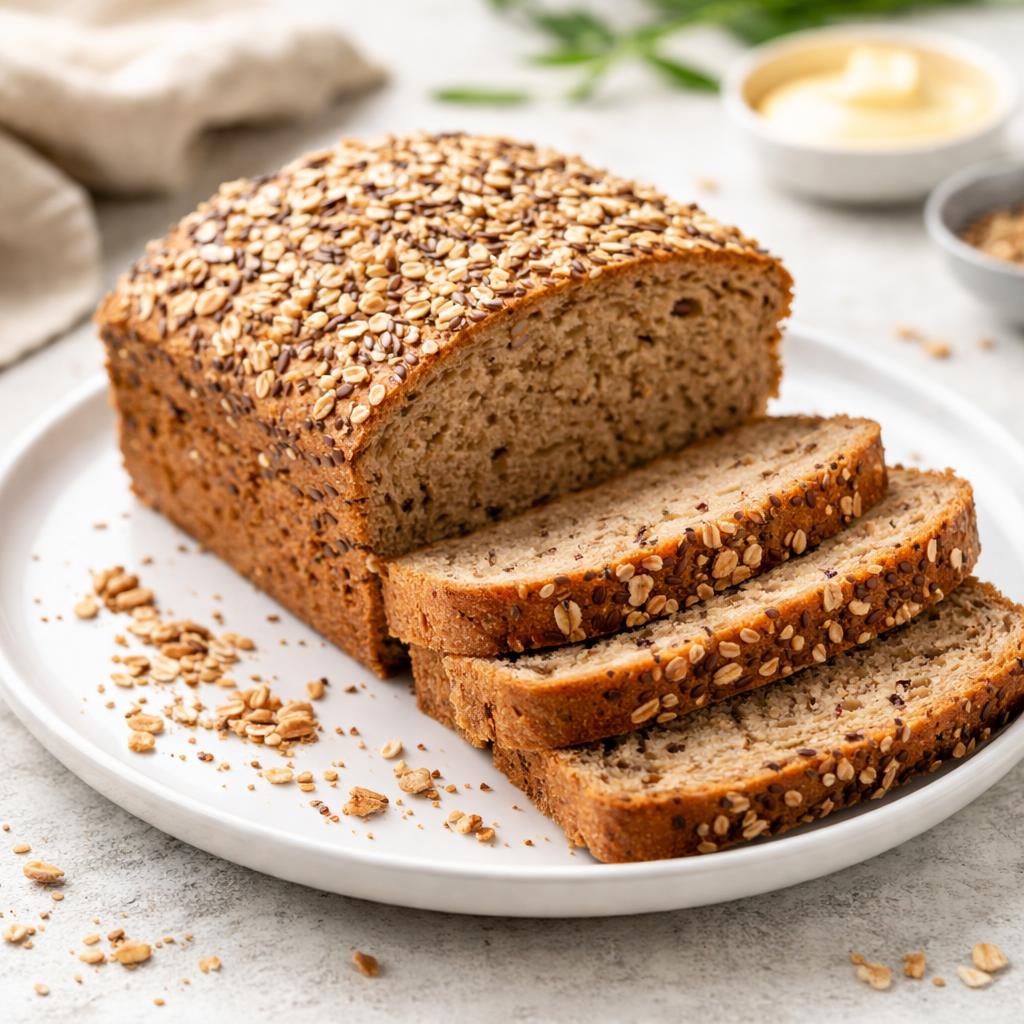
Whole-Grain Bread
🎯 Quick Verdict
Whole-grain bread is nutritionally superior to buttered bread, especially when it comes to fiber, protein, and calorie content. Buttered bread, while higher in fat and calories, may be preferred for indulgent taste or energy needs, whereas whole-grain bread is better for heart health and digestion due to its nutrient density.

Smart Nutrition Tracking with SnapCalorie

📊 Nutritional Comparison
Macronutrients
| Nutrient | Food 1 | Food 2 | Winner |
|---|---|---|---|
| Calories | 195 | 80 | ✓ |
| Protein | 5g | 6g | ✓ |
| Carbs | 23g | 13g | ✓ |
| Fat | 8g | 1g | ✓ |
| Fiber | 0.8g | 3g | ✓ |
Vitamins & Minerals
| Nutrient | Food 1 | Food 2 | Winner |
|---|---|---|---|
| Vitamin D | 0mcg | 0mcg | − |
| Calcium | 20mg | 30mg | ✓ |
| Iron | 1mg | 1.5mg | ✓ |
🏆 Category Winners
Protein
Whole-grain bread has 20% more protein per serving.
Fiber
Whole-grain bread provides nearly 4x the fiber.
Calories
Whole-grain bread has 59% fewer calories than buttered bread.
Vitamins
Whole-grain bread has slightly higher calcium and iron levels.
🥗 Diet Compatibility
Keto
Food 1: Not Compatible
Food 2: Not Compatible
Both are high in carbs.
Vegan
Food 1: Not Compatible
Food 2: Compatible
Food1 includes butter, a dairy product.
Gluten Free
Food 1: Not Compatible
Food 2: Not Compatible
Both contain gluten.
Paleo
Food 1: Not Compatible
Food 2: Not Compatible
Bread is not paleo-friendly.
Low-Carb
Food 1: Not Compatible
Food 2: Partially Compatible
Food2 has fewer carbs compared to Food1 but is not considered low-carb overall.
💪 Health Benefits Comparison
Food 1 Benefits
- Provides a quick source of energy
- Rich in fats for satiation
- Can be a carrier for flavors and nutrients via toppings
Food 2 Benefits
- High fiber content aids digestion and promotes a healthy gut
- Lower in calories, supporting weight management
- Contains essential nutrients like iron and calcium for bone health
✅ The Bottom Line
For a nutritionally balanced option, whole-grain bread (Food2) is the better choice due to its lower calorie count, higher protein, and significantly better fiber content. Buttered bread (Food1) may be chosen for indulgent meals or when higher energy density is required.
Choose Food 1 for: Comfort food, energy-dense meals, quick snacks
Choose Food 2 for: Heart health, weight loss goals, digestion and overall nutrient density


