Buttered Bread VS Protein Bread
A detailed nutritional comparison

Buttered Bread
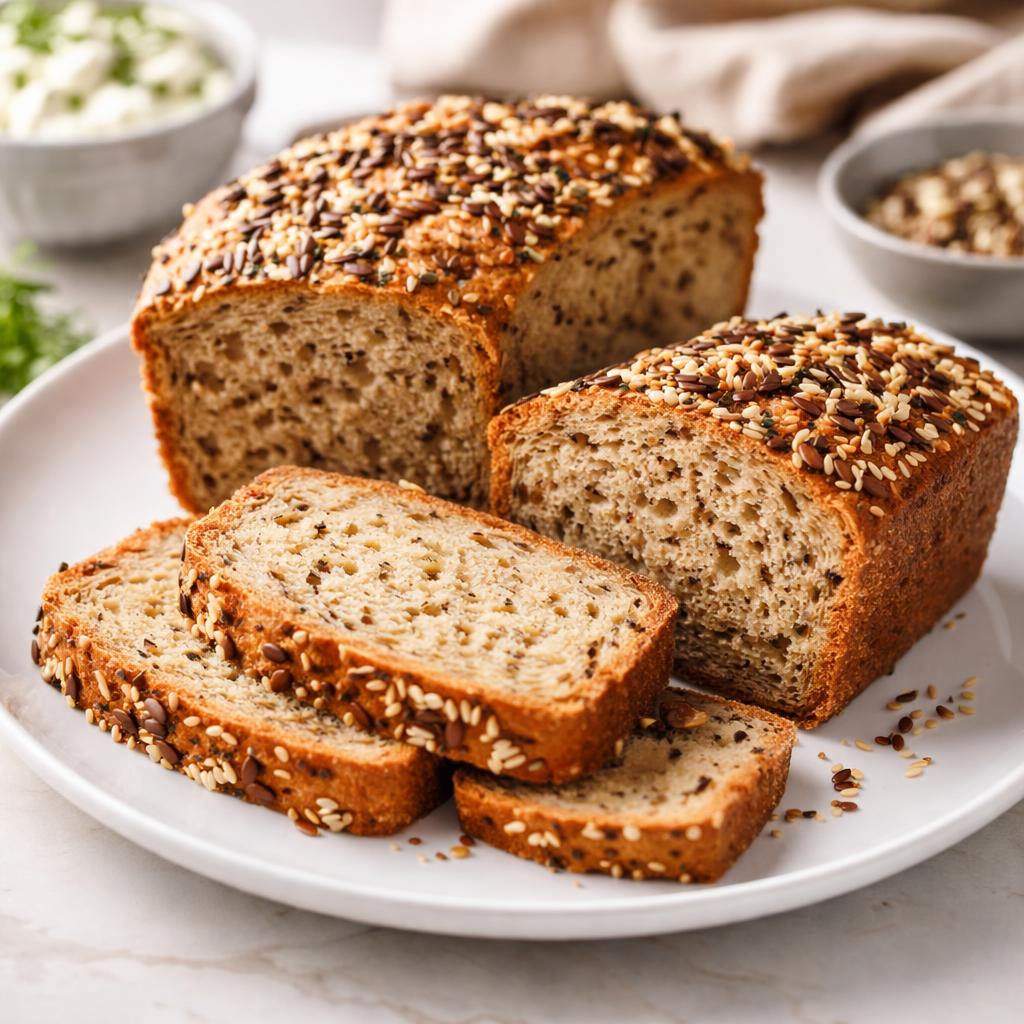
Protein Bread
🎯 Quick Verdict
Protein bread is nutritionally superior to buttered bread, offering more protein, more fiber, and fewer calories per serving. Buttered bread, while higher in calories and fat due to the butter, is useful for quick energy. Protein bread is better suited for active individuals and those aiming to lose weight or manage blood sugar levels effectively.

Smart Nutrition Tracking with SnapCalorie

📊 Nutritional Comparison
Macronutrients
| Nutrient | Food 1 | Food 2 | Winner |
|---|---|---|---|
| Calories | 230 | 150 | ✓ |
| Protein | 4g | 12g | ✓ |
| Carbs | 25g | 15g | ✓ |
| Fat | 10g | 5g | ✓ |
| Fiber | 1g | 7g | ✓ |
Vitamins & Minerals
| Nutrient | Food 1 | Food 2 | Winner |
|---|---|---|---|
| Vitamin D | 0.2mcg | 0mcg | ✓ |
| Calcium | 20mg | 100mg | ✓ |
| Iron | 1mg | 4mg | ✓ |
🏆 Category Winners
Protein
Protein bread contains three times more protein per serving.
Fiber
Protein bread has 7 times more fiber than buttered bread.
Calories
Protein bread contains 35% fewer calories.
Vitamins
Protein bread is richer in calcium and iron, but not vitamin D.
🥗 Diet Compatibility
Keto
Food 1: Not Compatible
Food 2: Compatible
Protein bread is lower in carbs than buttered bread.
Vegan
Food 1: Not Compatible
Food 2: Compatible
Protein bread can be plant-based, while butter includes animal-derived ingredients.
Gluten Free
Food 1: Not Compatible
Food 2: Possibly Compatible
Protein bread may be available in gluten-free versions; buttered bread is usually made with wheat.
Paleo
Food 1: Not Compatible
Food 2: Not Compatible
Neither buttered bread nor traditional protein bread conforms to paleo guidelines.
Low-Carb
Food 1: Not Compatible
Food 2: Compatible
Protein bread contains significantly fewer carbs.
💪 Health Benefits Comparison
Food 1 Benefits
- Quick source of energy due to high carb content
- Good for short-term physical performance
- Contains a small amount of healthy fats from butter
Food 2 Benefits
- Rich in protein to support muscle repair and growth
- Loaded with fiber for improved digestion and fullness
- Lower in carbs, helpful for blood sugar regulation
- Provides key minerals like calcium and iron for bone and blood health
✅ The Bottom Line
Protein bread is a better choice for those looking to increase protein and fiber intake, manage weight, and reduce carb consumption. Buttered bread is better for quick energy or occasional indulgence, but lacks the comprehensive nutritional benefits of protein bread.
Choose Food 1 for: Quick energy, comfort food, occasional indulgence
Choose Food 2 for: Weight loss, high-protein diets, post-workout nutrition


