Buckwheat VS Wheat Flour
A detailed nutritional comparison
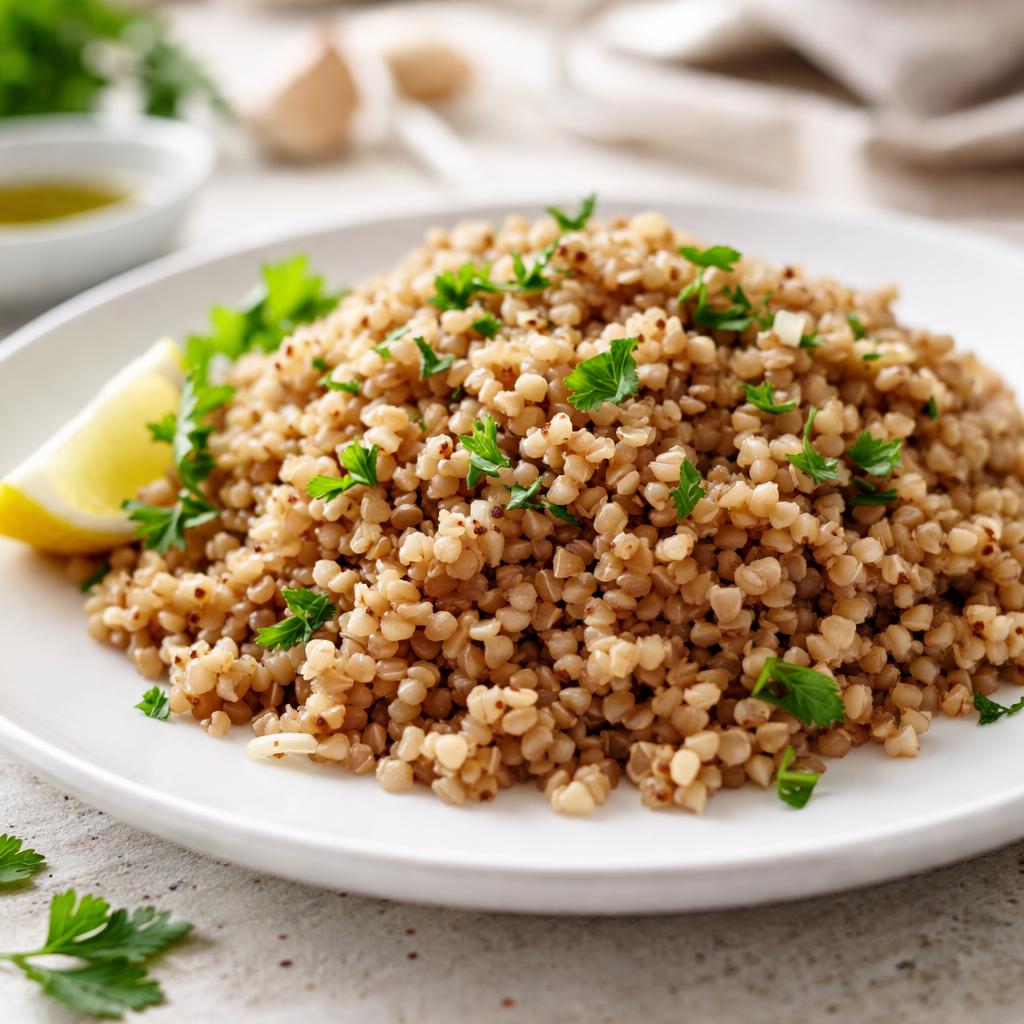
Buckwheat
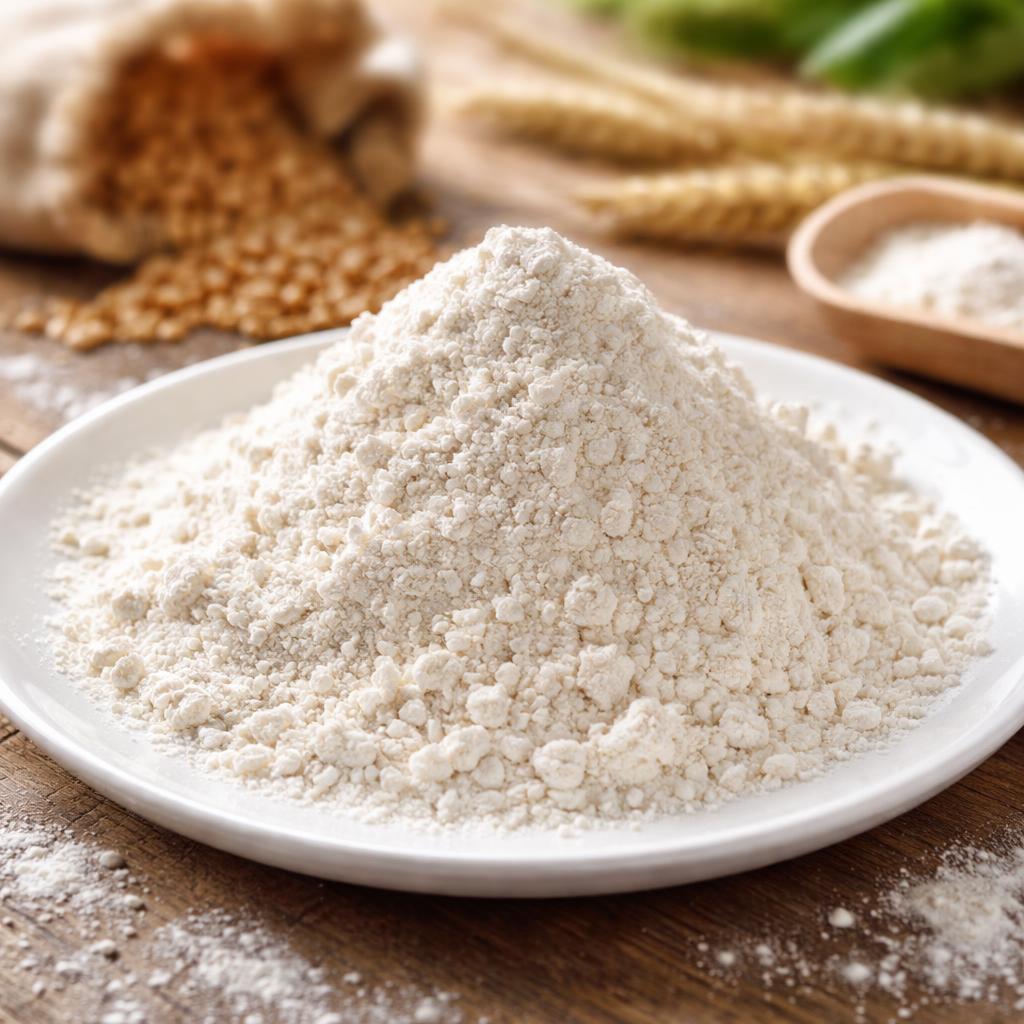
Wheat Flour
🎯 Quick Verdict
Buckwheat is a nutrient-dense pseudocereal with more protein, fiber, and fewer calories compared to wheat flour. It is gluten-free, making it suitable for individuals with celiac disease or gluten sensitivity, while wheat flour is higher in carbohydrates. Buckwheat is ideal for health-conscious diets, while wheat flour may be better for baking and high-carb meal preparation due to its structure and properties.

Smart Nutrition Tracking with SnapCalorie

📊 Nutritional Comparison
Macronutrients
| Nutrient | Food 1 | Food 2 | Winner |
|---|---|---|---|
| Calories | 154 per 100g | 364 per 100g | − |
| Protein | 5.7g per 100g | 10.3g per 100g | − |
| Carbs | 33.5g per 100g | 76.3g per 100g | − |
| Fat | 1g per 100g | 0.8g per 100g | − |
| Fiber | 4.5g per 100g | 2.4g per 100g | − |
Vitamins & Minerals
| Nutrient | Food 1 | Food 2 | Winner |
|---|---|---|---|
| Vitamin B6 | 0.21mg per 100g | 0.15mg per 100g | − |
| Magnesium | 86mg per 100g | 22mg per 100g | − |
| Iron | 2.2mg per 100g | 4.1mg per 100g | − |
| Potassium | 150mg per 100g | 107mg per 100g | − |
🏆 Category Winners
Protein
Wheat flour contains nearly twice the protein per gram compared to buckwheat.
Fiber
Buckwheat provides almost double the fiber content per serving.
Calories
Buckwheat has less than half the calories of wheat flour, making it a lower-calorie option.
Vitamins
Buckwheat offers higher levels of magnesium and potassium, but wheat flour excels in iron content.
🥗 Diet Compatibility
Keto
Food 1: Not Compatible
Food 2: Not Compatible
Both are too high in carbs for a keto diet.
Vegan
Food 1: Compatible
Food 2: Compatible
Both are plant-based and vegan-friendly.
Gluten Free
Food 1: Compatible
Food 2: Not Compatible
Buckwheat is naturally gluten-free while wheat flour is not.
Paleo
Food 1: Compatible
Food 2: Not Compatible
Buckwheat aligns with paleo principles, while wheat flour does not.
Low-Carb
Food 1: Partially Compatible
Food 2: Not Compatible
Buckwheat has fewer carbs than wheat flour but is still relatively carb-heavy for strict low-carb diets.
💪 Health Benefits Comparison
Food 1 Benefits
- High in fiber for digestion and gut health
- Loaded with magnesium which supports muscle and nerve function
- Natural source of antioxidants that may reduce inflammation
- Gluten-free, making it safe for individuals with gluten sensitivity
Food 2 Benefits
- Rich in iron, essential for oxygen transport in the body
- High in carbohydrates, providing sustained energy
- Helps in baking and acts as a versatile foundational ingredient
- Contains selenium, which supports a healthy immune system
✅ The Bottom Line
Buckwheat generally outperforms wheat flour in terms of nutrient density, offering more fiber, magnesium, and potassium. It is a better choice for gluten-free and lower-calorie diets. Wheat flour, with its higher protein and iron content, remains a staple for energy-dense baking and meal preparation but is less suitable for specialized diets like paleo or gluten-free.
Choose Food 1 for: Gluten-free diets, weight loss, cardiovascular health
Choose Food 2 for: Baking, high-energy meals, iron deficiency support


