Buckwheat VS Sourdough Bread
A detailed nutritional comparison
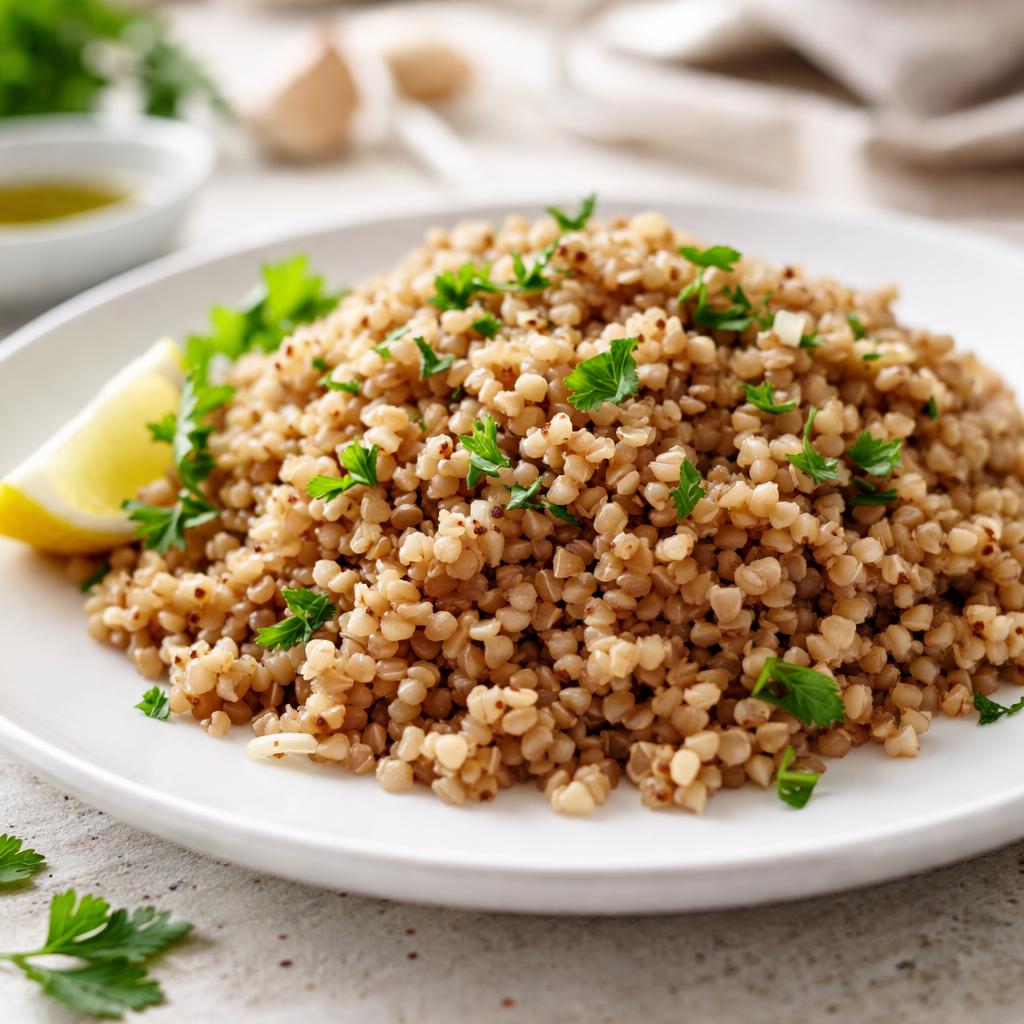
Buckwheat

Sourdough Bread
🎯 Quick Verdict
Buckwheat is a gluten-free, nutrient-dense pseudo-grain with more protein, fiber, and fewer calories compared to sourdough bread. Sourdough bread provides a moderate amount of nutrients but excels in digestibility due to natural fermentation, making it ideal for sustained energy. Both foods serve different dietary purposes and can complement diverse meal plans well.

Smart Nutrition Tracking with SnapCalorie

📊 Nutritional Comparison
Macronutrients
| Nutrient | Food 1 | Food 2 | Winner |
|---|---|---|---|
| Calories | 155 (per 100g cooked) | 266 (per 100g) | − |
| Protein | 5.7g | 8.2g | − |
| Carbs | 33.5g | 49g | − |
| Fat | 1g | 0.6g | − |
| Fiber | 1.6g | 1.2g | − |
Vitamins & Minerals
| Nutrient | Food 1 | Food 2 | Winner |
|---|---|---|---|
| Vitamin B6 | 0.2mg | 0.08mg | − |
| Vitamin E | 0.1mg | 0.06mg | − |
| Calcium | 18mg | 38mg | − |
| Magnesium | 86mg | 22mg | − |
🏆 Category Winners
Protein
Sourdough bread has a higher protein content per 100g.
Fiber
Buckwheat contains more fiber per serving, aiding digestion.
Calories
Buckwheat has significantly fewer calories, which is beneficial for weight management.
Vitamins
Buckwheat has higher quantities of vitamin B6 and magnesium, important for energy and muscle function.
🥗 Diet Compatibility
Keto
Food 1: Not Compatible
Food 2: Not Compatible
Both foods are high in carbohydrates and unsuitable for keto diets.
Vegan
Food 1: Compatible
Food 2: Compatible
Both are plant-based and suitable for vegan diets.
Gluten Free
Food 1: Compatible
Food 2: Not Compatible
Buckwheat is naturally gluten-free, while sourdough bread is made from wheat flour unless specified gluten-free.
Paleo
Food 1: Compatible
Food 2: Not Compatible
Buckwheat is acceptable in paleo diets as a pseudo-grain, but sourdough bread is not permitted.
Low-Carb
Food 1: Not Compatible
Food 2: Not Compatible
Both contain higher amounts of carbohydrates and aren't suitable for strict low-carb diets.
💪 Health Benefits Comparison
Food 1 Benefits
- Rich in magnesium, which supports muscle and nerve function
- Excellent choice for a gluten-free diet
- Low in calories, aiding weight management
- Contains polyphenols and antioxidants that reduce inflammation
Food 2 Benefits
- Naturally fermented, which improves digestion
- Provides energy due to higher carbohydrate content
- Contains small amounts of calcium for bone health
- Low glycemic index, making it better for blood sugar control compared to regular bread
✅ The Bottom Line
Buckwheat is ideal for gluten-free, nutrient-dense meals and weight-conscious diets, while sourdough bread is great for a moderate diet focused on energy and digestive health. Choose buckwheat for its versatility and nutrient density when prioritizing health, and sourdough bread for days when comfort and energy are key.
Choose Food 1 for: Gluten-free diets, weight management, anti-inflammatory benefits
Choose Food 2 for: Digestive health, sustained energy, convenient carb source


