Buckwheat VS Rice Pilaf
A detailed nutritional comparison
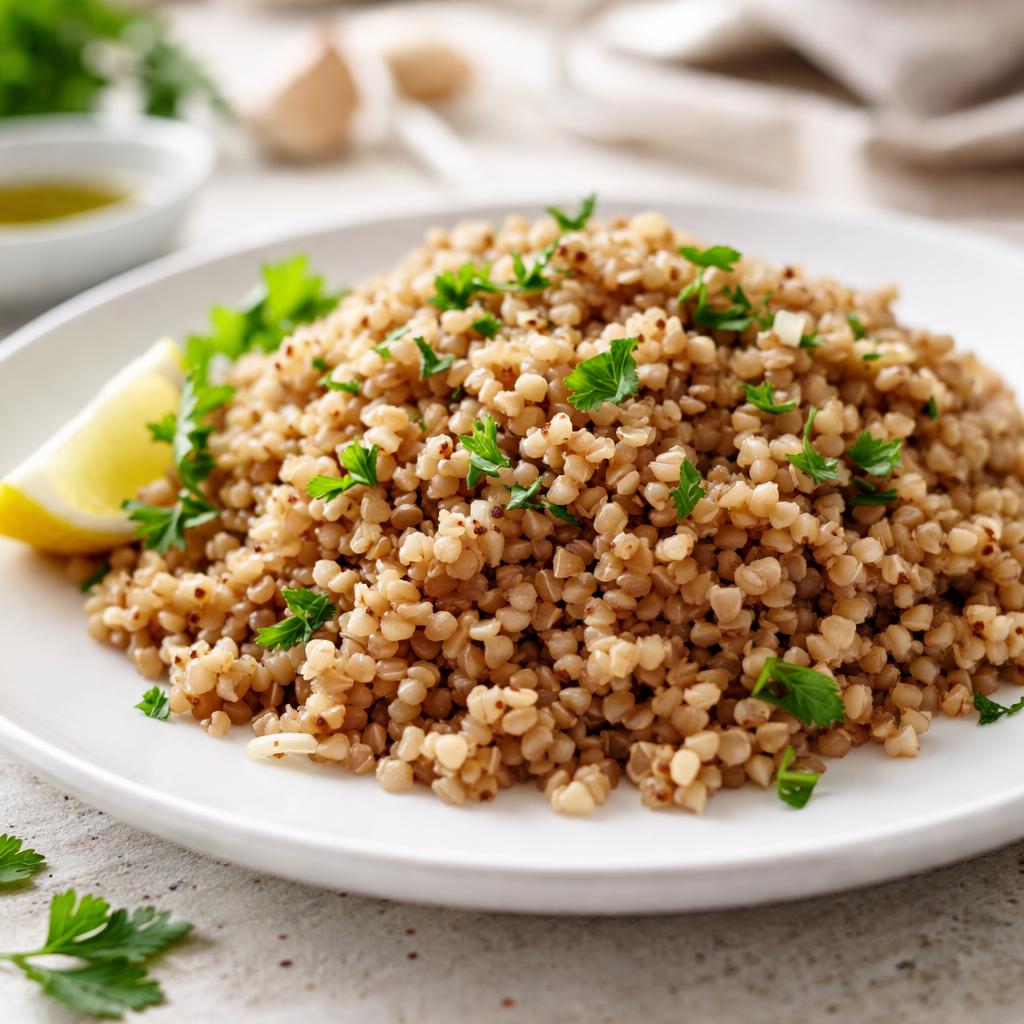
Buckwheat

Rice Pilaf
🎯 Quick Verdict
Buckwheat outperforms rice pilaf in terms of protein (6g vs. 5g), fiber (4.5g vs. 0.8g), and calories (155 vs. 200). While rice pilaf provides a mild taste and is higher in carbs, buckwheat is a nutrient-dense option suitable for weight management and digestive health. Both are versatile in cooking but cater to different dietary goals.

Smart Nutrition Tracking with SnapCalorie

📊 Nutritional Comparison
Macronutrients
| Nutrient | Food 1 | Food 2 | Winner |
|---|---|---|---|
| Calories | 155 | 200 | − |
| Protein | 6g | 5g | − |
| Carbs | 33g | 41g | − |
| Fat | 1g | 6g | − |
| Fiber | 4.5g | 0.8g | − |
Vitamins & Minerals
| Nutrient | Food 1 | Food 2 | Winner |
|---|---|---|---|
| Vitamin B6 | 0.2mg | 0.1mg | − |
| Magnesium | 86mg | 25mg | − |
| Iron | 2mg | 1.5mg | − |
🏆 Category Winners
Protein
Buckwheat has 20% more protein per serving.
Fiber
Buckwheat contains 5x the fiber of rice pilaf.
Calories
Buckwheat is 22.5% lower in calories than rice pilaf.
Vitamins
Buckwheat is richer in magnesium, iron, and vitamin B6.
🥗 Diet Compatibility
Keto
Food 1: Unknown
Food 2: Unknown
Both are high in carbs and not suitable for keto.
Vegan
Food 1: Unknown
Food 2: Unknown
Both are plant-based and vegan-friendly.
Gluten Free
Food 1: Unknown
Food 2: Unknown
Buckwheat naturally lacks gluten; rice pilaf may contain gluten depending on seasoning.
Paleo
Food 1: Unknown
Food 2: Unknown
Buckwheat is excluded from paleo diets; rice pilaf can fit depending on preparation.
Low-Carb
Food 1: Unknown
Food 2: Unknown
Both foods contain high amounts of carbs per serving.
💪 Health Benefits Comparison
Food 1 Benefits
Food 2 Benefits
✅ The Bottom Line
Buckwheat is the better choice for those seeking higher protein, more fiber, and lower calories for weight loss or digestive health. Rice pilaf is more suited for energy needs and pairs well in traditional meals or for flavor-focused dishes.


