Buckwheat VS Cream Of Rice
A detailed nutritional comparison
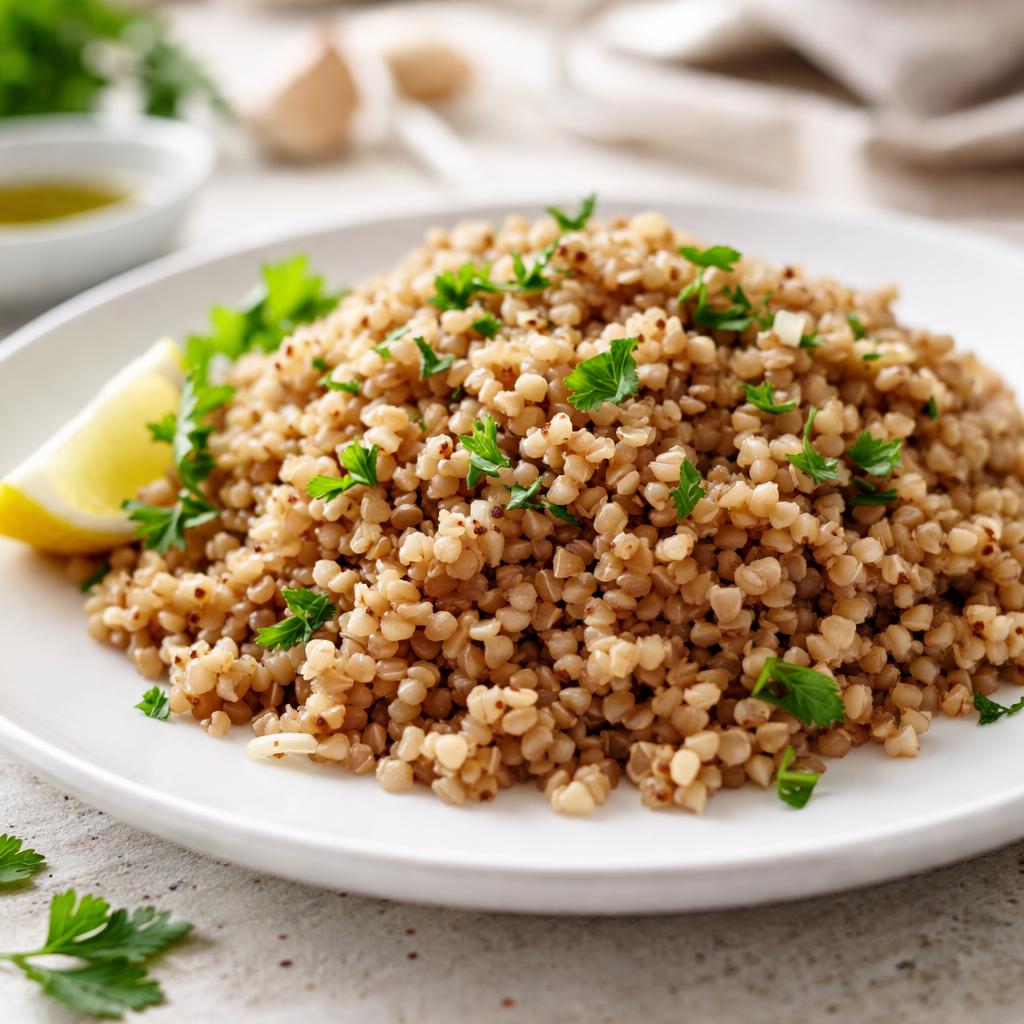
Buckwheat
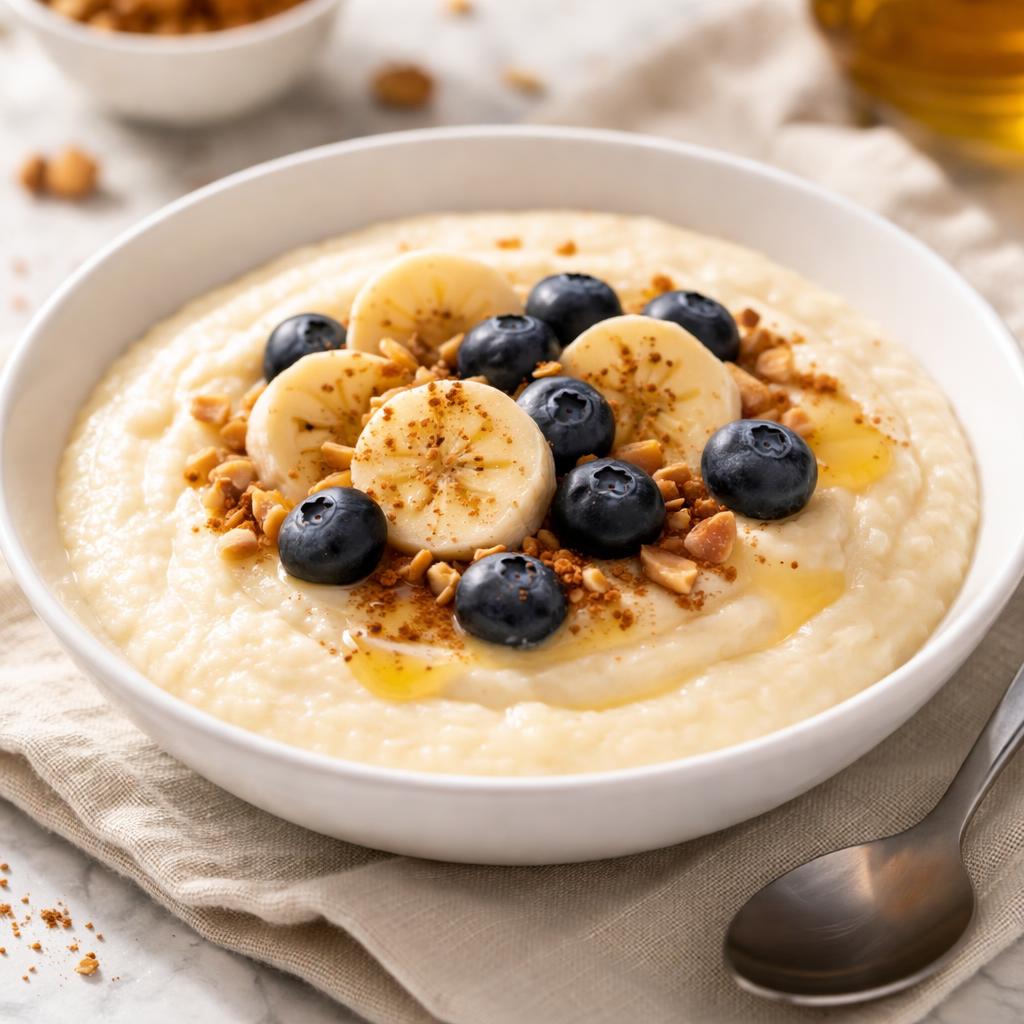
Cream Of Rice
🎯 Quick Verdict
Buckwheat is nutritionally superior to cream of rice due to its higher protein, fiber, and mineral content, making it excellent for muscle building and digestion. Cream of rice has fewer calories and carbohydrates, making it a better choice for those seeking easily digestible energy without overloading fiber or protein intake.

Smart Nutrition Tracking with SnapCalorie

📊 Nutritional Comparison
Macronutrients
| Nutrient | Food 1 | Food 2 | Winner |
|---|---|---|---|
| Calories | 155 (per 1 cup cooked) | 130 (per 1 cup cooked) | ✓ |
| Protein | 5.7g | 2.7g | ✓ |
| Carbs | 33.5g | 28g | ✓ |
| Fat | 1g | 0.2g | ✓ |
| Fiber | 4.5g | 0.3g | ✓ |
Vitamins & Minerals
| Nutrient | Food 1 | Food 2 | Winner |
|---|---|---|---|
| Magnesium | 86mg | 2mg | ✓ |
| Iron | 0.8mg | 1.4mg | ✓ |
| Vitamin B6 | 0.15mg | 0.02mg | ✓ |
🏆 Category Winners
Protein
Buckwheat contains over double the protein per cup compared to cream of rice, making it ideal for protein-focused diets.
Fiber
Buckwheat has 15x more fiber, supporting digestion and gut health.
Calories
Cream of rice has 25 fewer calories per cup, helpful for calorie-conscious individuals.
Vitamins
Buckwheat provides significantly more magnesium and Vitamin B6, supporting muscle function and energy metabolism.
🥗 Diet Compatibility
Keto
Food 1: Not Compatible
Food 2: Not Compatible
Both foods are too high in carbohydrates for keto diets.
Vegan
Food 1: Compatible
Food 2: Compatible
Both foods are plant-based and suitable for vegans.
Gluten Free
Food 1: Compatible
Food 2: Compatible
Neither contains gluten, making them suitable for gluten-free diets.
Paleo
Food 1: Compatible
Food 2: Compatible
Both are minimally processed and align with paleo principles.
Low-Carb
Food 1: Not Compatible
Food 2: Not Compatible
Neither food is low-carb as both contain over 28g of carbs per serving.
💪 Health Benefits Comparison
Food 1 Benefits
- Rich source of plant-based protein for muscle growth.
- High in fiber for gut health and digestive support.
- Contains magnesium for heart health and energy production.
- Provides antioxidants that help reduce inflammation.
Food 2 Benefits
- Easily digestible carbohydrate source, ideal for pre-workout energy.
- Low in fat, good for those on fat-restricted diets.
- Provides iron for oxygen transport and energy production.
- Gluten-free and gentle on sensitive stomachs.
✅ The Bottom Line
Buckwheat is better suited for those seeking a higher-protein, high-fiber option packed with essential minerals. Cream of rice is ideal for those needing quick digestible energy with fewer calories and minimal fat content.
Choose Food 1 for: Muscle building, digestion support, high-fiber diets.
Choose Food 2 for: Pre-workout fueling, easy digestion, calorie-conscious diets.


