Brown Rice VS Whole Grain Pasta
A detailed nutritional comparison
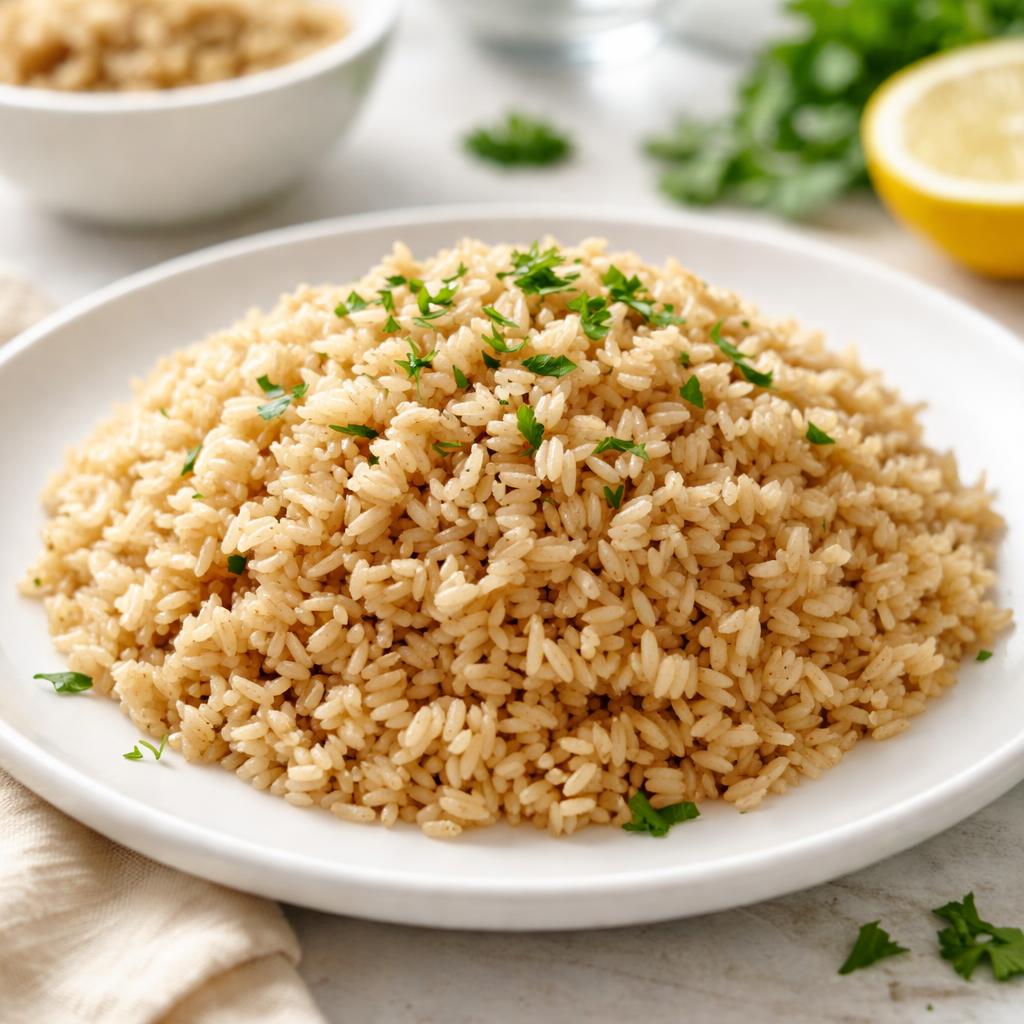
Brown Rice
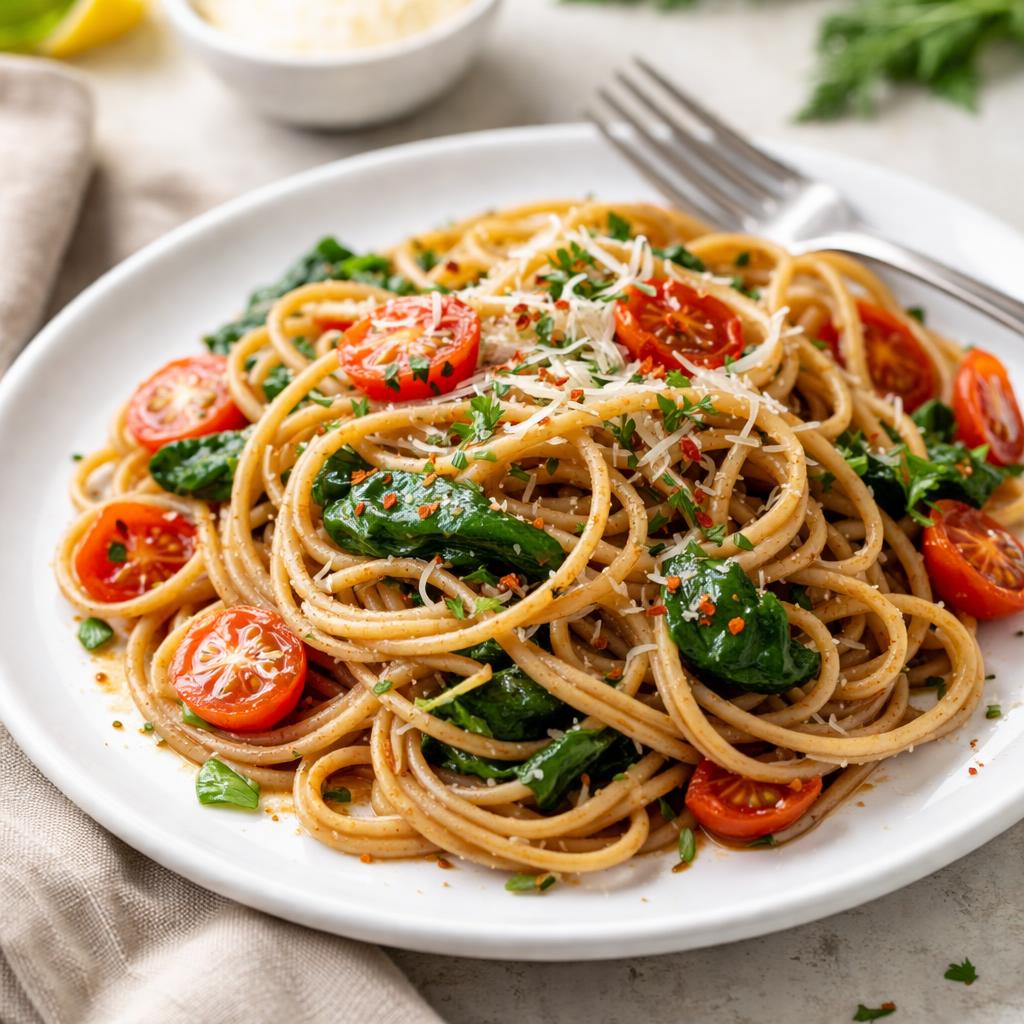
Whole Grain Pasta
🎯 Quick Verdict
Whole grain pasta generally provides more fiber and protein than brown rice, making it better for those seeking sustained energy and satiety. However, brown rice is slightly lower in calories and great for fewer carbs. Both are nutrient-rich foods that suit plant-based diets well, but whole grain pasta may provide an edge for nutrient density and sustained energy needs.

Smart Nutrition Tracking with SnapCalorie

📊 Nutritional Comparison
Macronutrients
| Nutrient | Food 1 | Food 2 | Winner |
|---|---|---|---|
| Calories | 216 per cup | 174 per cooked cup | ✓ |
| Protein | 5g per cup | 8g per cooked cup | ✓ |
| Carbs | 45g per cup | 37g per cooked cup | ✓ |
| Fat | 1.8g per cup | 1g per cooked cup | ✓ |
| Fiber | 3.5g per cup | 6g per cooked cup | ✓ |
Vitamins & Minerals
| Nutrient | Food 1 | Food 2 | Winner |
|---|---|---|---|
| Vitamin B3 (Niacin) | 2.3mg per cup | 2.5mg per cup | ✓ |
| Magnesium | 84mg per cup | 48mg per cooked cup | ✓ |
| Iron | 0.8mg per cup | 1.8mg per cooked cup | ✓ |
| Selenium | 11mcg per cup | 36mcg per cooked serving | ✓ |
🏆 Category Winners
Protein
Whole grain pasta provides 60% more protein per serving compared to brown rice.
Fiber
Whole grain pasta delivers nearly double the fiber, aiding digestion and satiety.
Calories
Whole grain pasta has fewer calories per cooked cup than brown rice for equal serving sizes.
🥗 Diet Compatibility
Keto
Food 1: Not Compatible
Food 2: Not Compatible
Both foods are high in carbohydrates, making them incompatible with ketogenic diets.
Vegan
Food 1: Compatible
Food 2: Compatible
Both foods are plant-based and meet vegan dietary standards.
Gluten Free
Food 1: Compatible
Food 2: Not Compatible
Brown rice is naturally gluten-free, while whole grain pasta contains gluten.
Paleo
Food 1: Compatible
Food 2: Not Compatible
Brown rice is accepted in some paleo frameworks but whole grain pasta is not due to processing and gluten content.
Low-Carb
Food 1: Not Compatible
Food 2: Not Compatible
Neither food qualifies as low-carb given their carbohydrate density.
💪 Health Benefits Comparison
Food 1 Benefits
- Naturally gluten-free and suitable for individuals with gluten sensitivities.
- Rich in magnesium, supporting bone health and muscle function.
- Low in fat and calories, making it a good option for weight management.
Food 2 Benefits
- High in fiber for digestive health and longer-lasting fullness.
- Contains more protein, supporting muscle repair and overall metabolic activity.
- Rich in selenium and iron for antioxidants and improved energy production.
✅ The Bottom Line
Whole grain pasta excels in nutrients like protein, fiber, and minerals, making it ideal for sustained energy and active lifestyles. Conversely, brown rice offers lower calories and is gluten-free, serving well for weight management and individuals with gluten sensitivities. Both are nutritionally balanced but tailored to different dietary needs.
Choose Food 1 for: Gluten-free diets, lighter meals, mineral intake focus
Choose Food 2 for: High-fiber diets, protein-rich meals, sustained energy


