Brown Rice VS Turmeric Rice
A detailed nutritional comparison
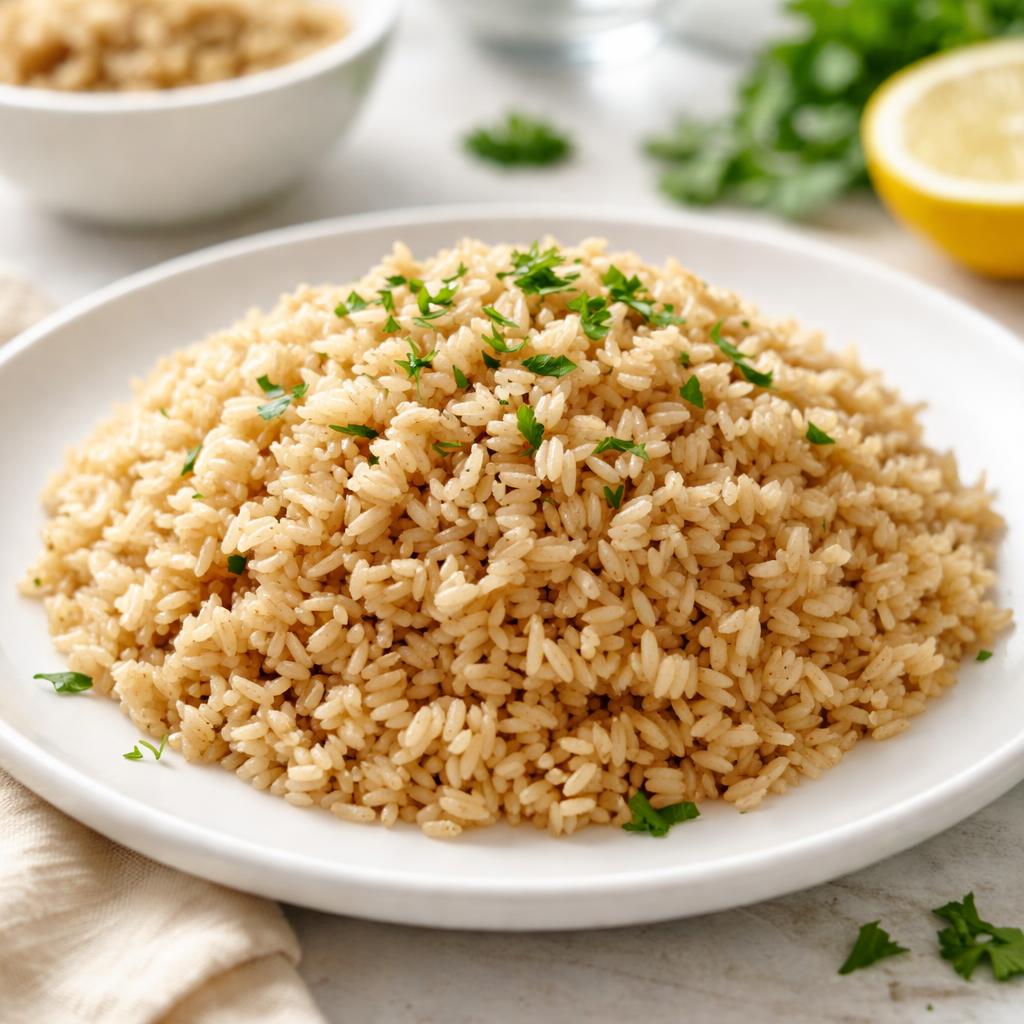
Brown Rice

Turmeric Rice
🎯 Quick Verdict
Brown rice is more nutrient-dense overall, providing higher protein, fiber, and fewer calories compared to turmeric rice. Turmeric rice, infused with turmeric and often cooked with added oil or flavorings, has slightly more fat and antioxidants, making it a flavorful option for anti-inflammatory benefits. Brown rice is better for weight control and digestion, while turmeric rice adds variety and spice to meals for added health benefits.

Smart Nutrition Tracking with SnapCalorie

📊 Nutritional Comparison
Macronutrients
| Nutrient | Food 1 | Food 2 | Winner |
|---|---|---|---|
| Calories | 215 | 250 | ✓ |
| Protein | 5g | 3g | ✓ |
| Carbs | 45g | 43g | ✓ |
| Fat | 1g | 2g | ✓ |
| Fiber | 3.5g | 1.5g | ✓ |
Vitamins & Minerals
| Nutrient | Food 1 | Food 2 | Winner |
|---|---|---|---|
| Vitamin D | 0mcg | 0mcg | − |
| Calcium | 10mg | 15mg | ✓ |
| Iron | 0.8mg | 1.2mg | ✓ |
🏆 Category Winners
Protein
Brown rice has 66% more protein per serving compared to turmeric rice.
Fiber
Brown rice contains over twice the amount of fiber.
Calories
Brown rice has approximately 14% fewer calories.
Vitamins
Turmeric rice provides slightly more calcium and iron due to added turmeric and ingredients.
🥗 Diet Compatibility
Keto
Food 1: Not Compatible
Food 2: Not Compatible
Both are high-carb foods unsuitable for ketogenic diets.
Vegan
Food 1: Compatible
Food 2: Compatible
Both are plant-based options.
Gluten Free
Food 1: Compatible
Food 2: Compatible
Neither contains gluten naturally.
Paleo
Food 1: Not Compatible
Food 2: Not Compatible
Rice is not part of the paleo diet.
Low Carb
Food 1: Not Compatible
Food 2: Not Compatible
Both foods are high in carbohydrates.
💪 Health Benefits Comparison
Food 1 Benefits
- High in fiber to aid digestion
- Rich in magnesium for bone health
- Provides sustained energy with complex carbs
- Supports heart health with whole-grain benefits
Food 2 Benefits
- Contains turmeric for anti-inflammatory properties
- Provides small amounts of antioxidants
- Higher in iron for improved oxygen transport
- Offers a flavorful and nutrient-enhanced rice option
✅ The Bottom Line
Choose brown rice for its higher protein, fiber, and lower calorie benefits—ideal for weight management and digestive health. Opt for turmeric rice when seeking anti-inflammatory benefits or if you want a flavorful, nutrient-enhanced rice dish.
Choose Food 1 for: Weight control, digestion, heart health
Choose Food 2 for: Anti-inflammatory diets, flavorful quick meals, boosting iron intake


