Brown Rice VS Sushi Rice
A detailed nutritional comparison
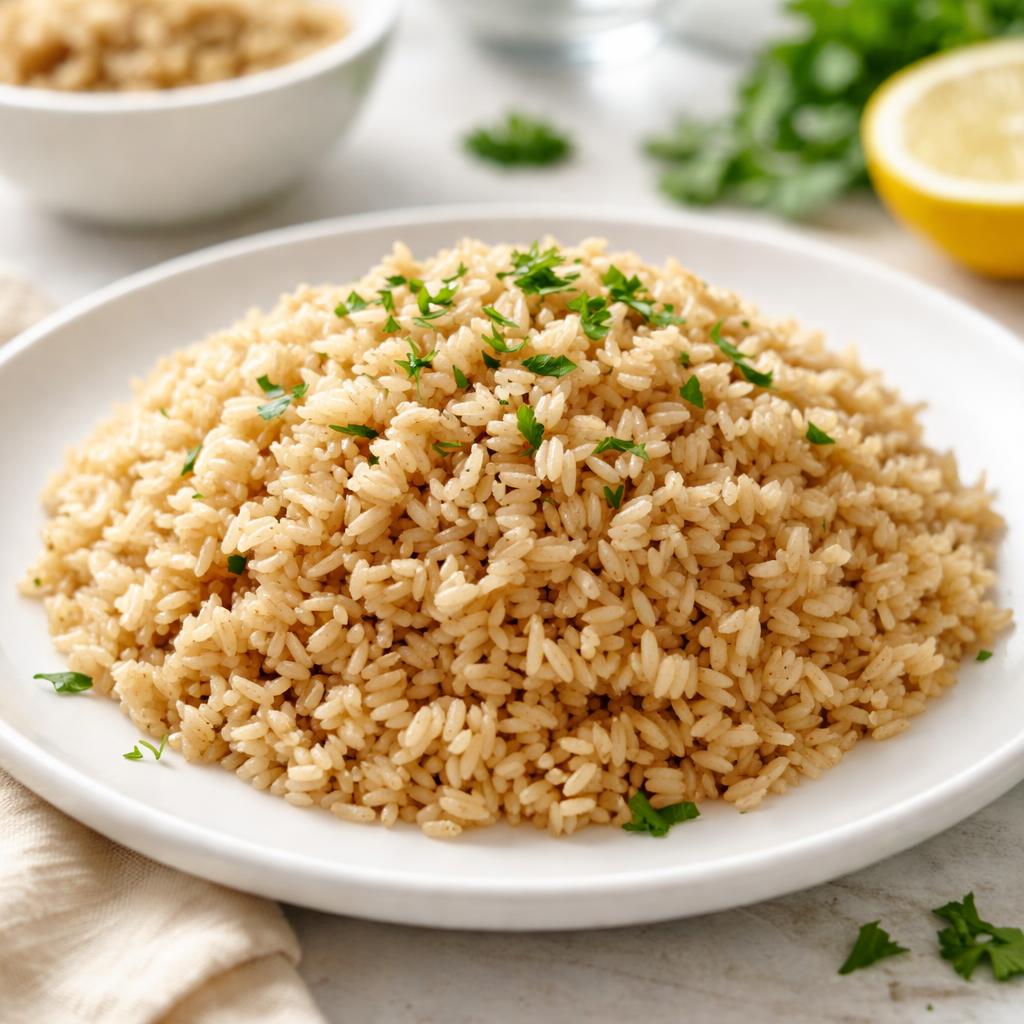
Brown Rice
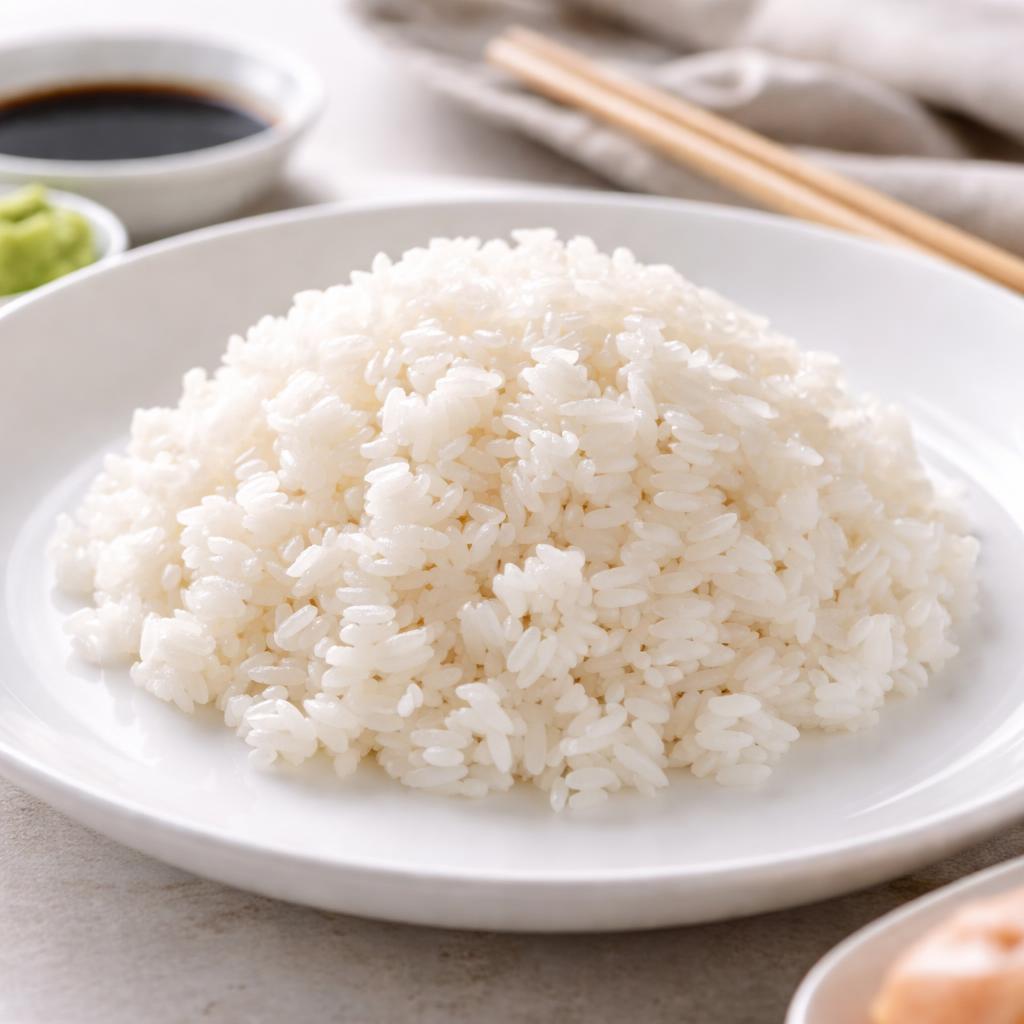
Sushi Rice
🎯 Quick Verdict
Brown rice (food1) is nutritionally superior to sushi rice (food2) due to its higher protein, fiber, and lower calorie content per cup. Sushi rice, while lower in fiber and protein, is ideal for recipes requiring sticky texture, making it a better choice for sushi rolls and certain dishes. Brown rice is preferable for balanced meals and sustained energy throughout the day.

Smart Nutrition Tracking with SnapCalorie

📊 Nutritional Comparison
Macronutrients
| Nutrient | Food 1 | Food 2 | Winner |
|---|---|---|---|
| Calories | 215 | 242 | ✓ |
| Protein | 5g | 4g | ✓ |
| Carbs | 45g | 53g | ✓ |
| Fat | 1.8g | 0.4g | ✓ |
| Fiber | 3.5g | 0.5g | ✓ |
Vitamins & Minerals
| Nutrient | Food 1 | Food 2 | Winner |
|---|---|---|---|
| Vitamin B6 | 0.3mg | 0.1mg | ✓ |
| Magnesium | 86mg | 13mg | ✓ |
| Zinc | 1.2mg | 0.4mg | ✓ |
🏆 Category Winners
Protein
Brown rice has 25% more protein per cup than sushi rice.
Fiber
Brown rice contains 7x more fiber than sushi rice, supporting digestive health.
Calories
Brown rice has 11% fewer calories than sushi rice.
Vitamins
Brown rice offers higher amounts of magnesium, zinc, and Vitamin B6, supporting multiple body functions.
🥗 Diet Compatibility
Keto
Food 1: Not Compatible
Food 2: Not Compatible
Both are high-carb foods unsuitable for keto diets.
Vegan
Food 1: Compatible
Food 2: Compatible
Both are plant-based options.
Gluten Free
Food 1: Compatible
Food 2: Compatible
Neither contains gluten.
Paleo
Food 1: Compatible
Food 2: Not Compatible
Brown rice is minimally processed, while sushi rice is processed to remove nutrients.
Low Carb
Food 1: Not Compatible
Food 2: Not Compatible
Both are high in carbohydrates and do not fit low-carb diets.
💪 Health Benefits Comparison
Food 1 Benefits
- Rich in fiber to improve digestion and gut health.
- Provides sustained energy due to complex carbohydrates.
- Contains magnesium, supporting muscle and nerve function.
- Good source of plant-based protein for overall health.
Food 2 Benefits
- Low in fat, suitable for low-fat diets.
- Ideal texture for making sushi and other sticky rice dishes.
- Provides quick energy due to higher carbohydrate content.
- Contains small amounts of essential B vitamins.
✅ The Bottom Line
Brown rice (food1) is a healthier, more versatile staple for balanced meals, higher fiber, and protein content. Sushi rice (food2) is better suited for specific culinary purposes such as sushi, where texture and stickiness are critical. Choose brown rice for sustained energy and improved digestion, and opt for sushi rice for recipes that require its unique consistency.
Choose Food 1 for: Balanced meals, digestion, sustained energy, weight maintenance
Choose Food 2 for: Sushi dishes, quick energy, low-fat diets


