Brown Rice VS Seasoned Rice
A detailed nutritional comparison
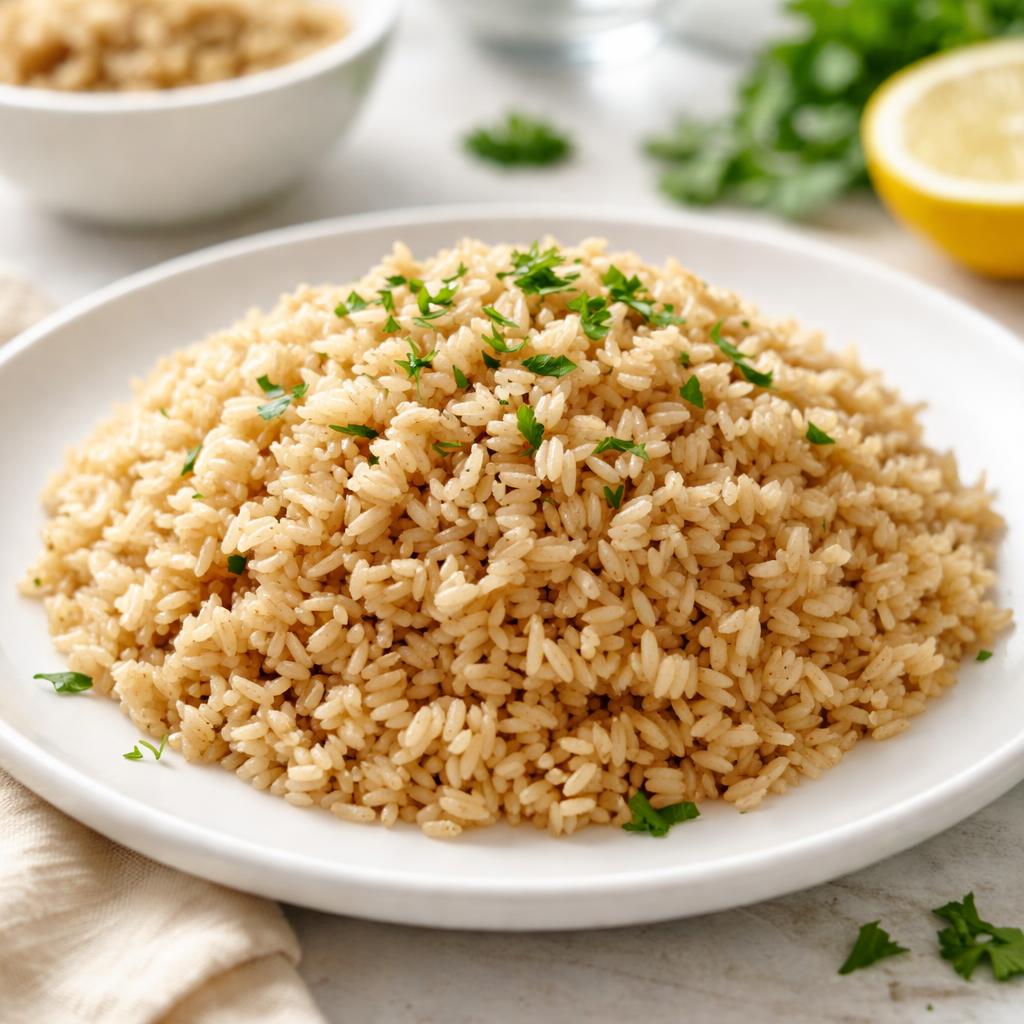
Brown Rice
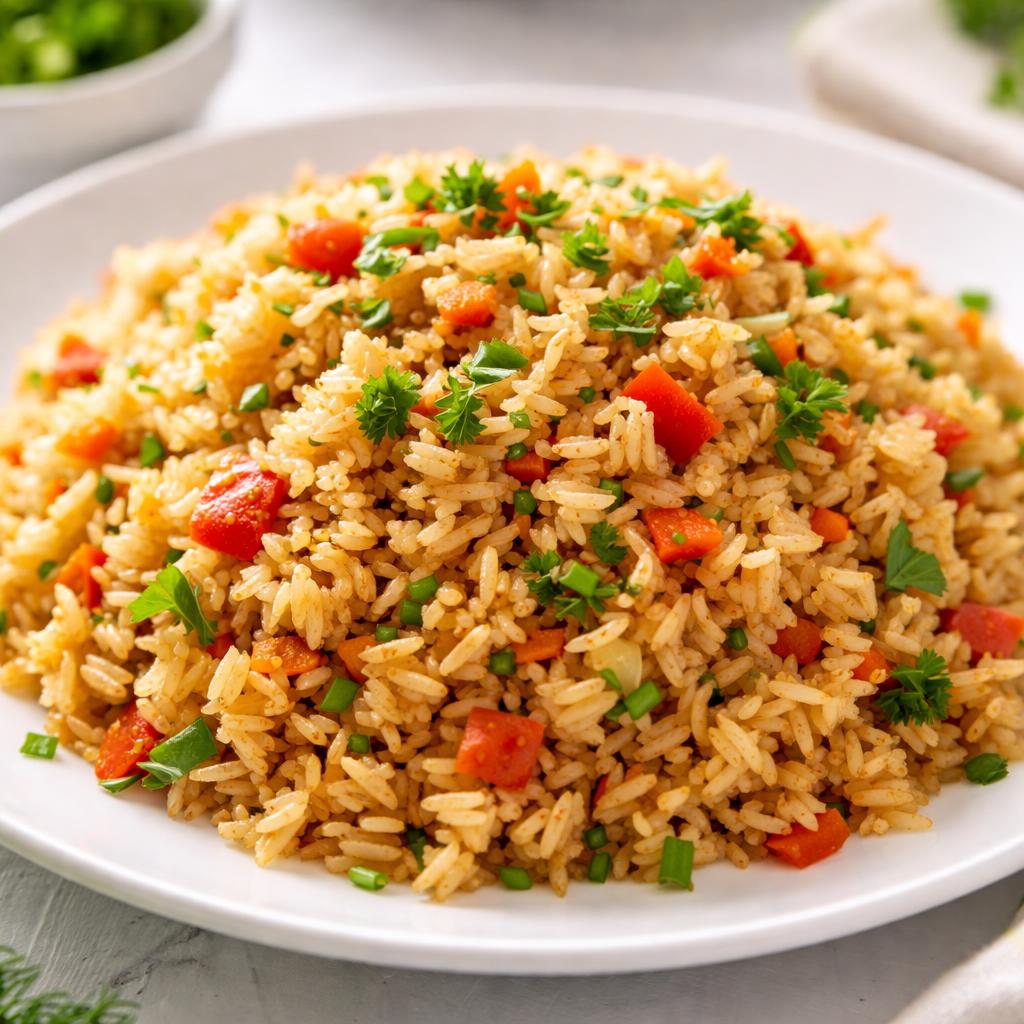
Seasoned Rice
🎯 Quick Verdict
Brown rice (food1) is a nutrient-dense whole grain offering more fiber and fewer calories compared to seasoned rice (food2). Seasoned rice often includes added oils, salt, and flavorings, increasing calorie and sodium levels. Brown rice is ideal for clean eating, while seasoned rice is better for individuals seeking a flavorful option with slightly higher calorie content.

Smart Nutrition Tracking with SnapCalorie

📊 Nutritional Comparison
Macronutrients
| Nutrient | Food 1 | Food 2 | Winner |
|---|---|---|---|
| Calories | 215 (per 1 cup cooked) | 250 (per 1 cup cooked) | ✓ |
| Protein | 5g | 5g | − |
| Carbs | 45g | 47g | ✓ |
| Fat | 1.8g | 4g | ✓ |
| Fiber | 3.5g | 1g | ✓ |
Vitamins & Minerals
| Nutrient | Food 1 | Food 2 | Winner |
|---|---|---|---|
| Vitamin B1 (Thiamin) | 0.12mg | 0.08mg | ✓ |
| Magnesium | 84mg | 50mg | ✓ |
| Sodium | 10mg | 400mg | ✓ |
🏆 Category Winners
Protein
Both foods provide 5 grams of protein per serving.
Fiber
Brown rice contains over three times the fiber of seasoned rice.
Calories
Brown rice has 14% fewer calories per serving compared to seasoned rice.
Vitamins
Brown rice is a better source of magnesium, vitamin B1, and contains less sodium.
🥗 Diet Compatibility
Keto
Food 1: Not Compatible
Food 2: Not Compatible
Both foods are high-carb and not suitable for ketogenic diets.
Vegan
Food 1: Compatible
Food 2: Compatible
Both foods are plant-based and vegan.
Gluten Free
Food 1: Compatible
Food 2: Compatible
Neither brown rice nor seasoned rice contains gluten.
Paleo
Food 1: Compatible
Food 2: Not Compatible
Brown rice is minimally processed, while seasoned rice may include additives not suitable for paleo diets.
Low-Carb
Food 1: Not Compatible
Food 2: Not Compatible
Both foods are high in carbohydrates, exceeding low-carb diet limits.
💪 Health Benefits Comparison
Food 1 Benefits
- Rich in fiber to support digestion and gut health
- Provides essential minerals like magnesium for muscle and nerve function
- Low in fat and sodium, ideal for heart health
Food 2 Benefits
- Enhanced flavor for improved meal satisfaction
- Contains added oils which provide quick energy
- Higher calorie content beneficial for individuals with increased energy demands
✅ The Bottom Line
Choose brown rice (food1) for clean eating, higher fiber intake, and overall nutrient density. Opt for seasoned rice (food2) if you prioritize flavor and can accommodate slightly higher calories and sodium in your diet.
Choose Food 1 for: Weight maintenance, digestion support, low-sodium diets
Choose Food 2 for: Flavorful meals, active individuals with high energy demands, occasional indulgences


