Brown Rice VS Rice With Lentils
A detailed nutritional comparison
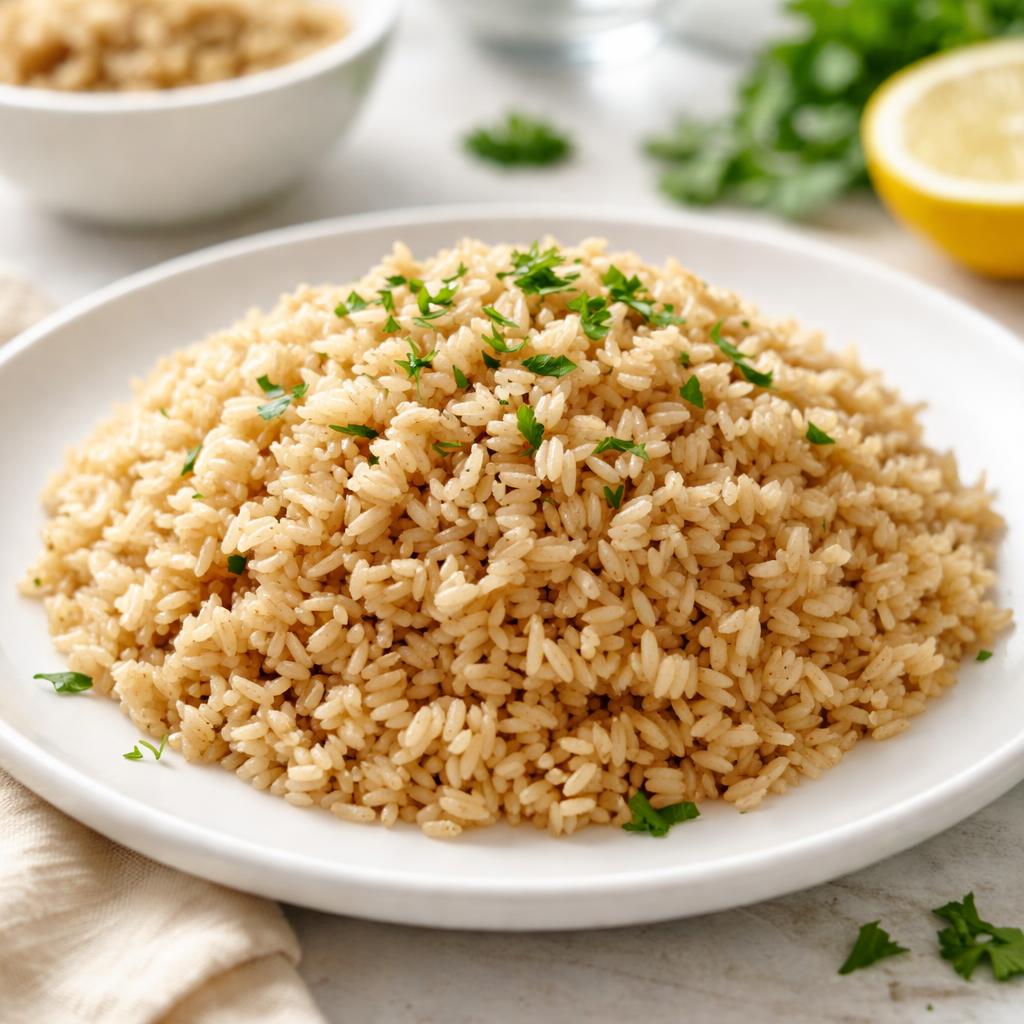
Brown Rice
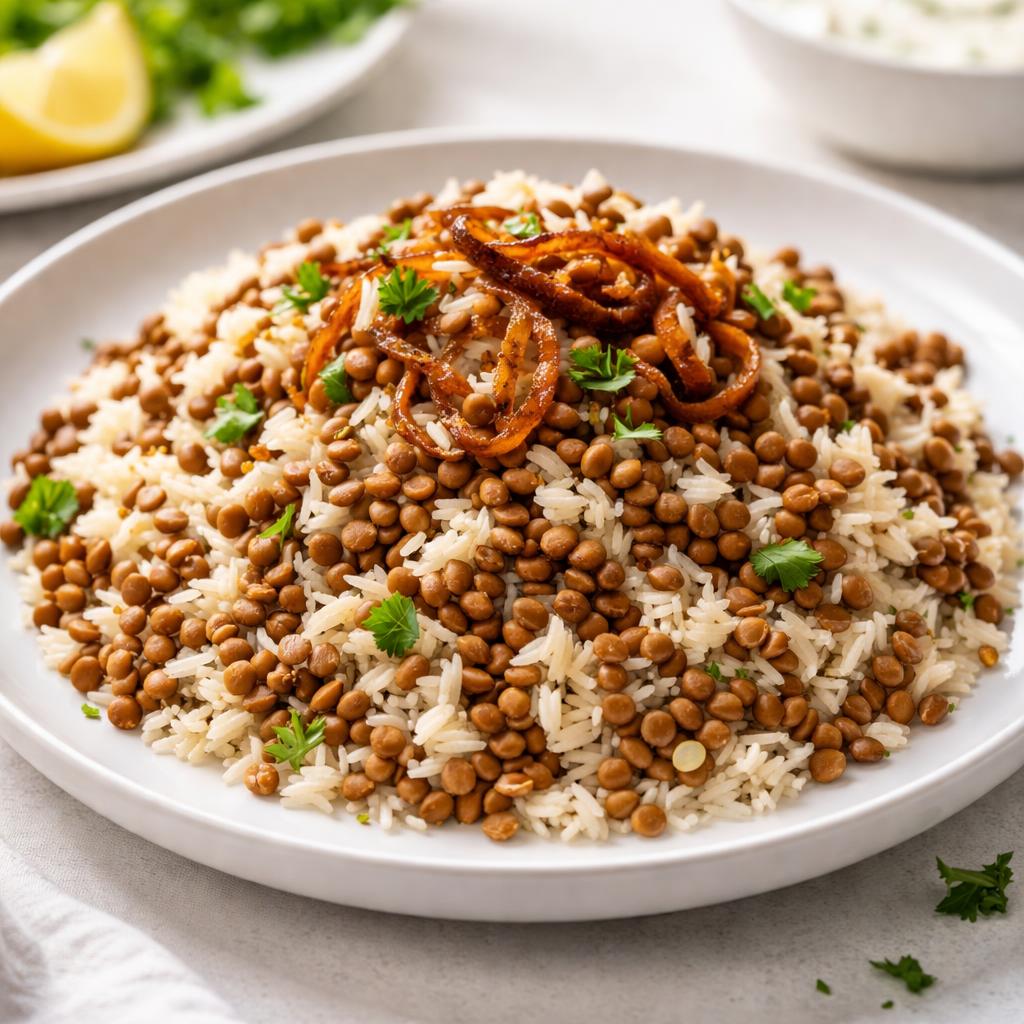
Rice With Lentils
🎯 Quick Verdict
Rice with lentils is nutritionally superior to brown rice due to its higher protein (8g vs 2.6g) and fiber (4.5g vs 1.6g) content per serving, though brown rice is lower in calories (216 vs 285). Brown rice's simplicity suits calorie-conscious meals, while rice with lentils provides balanced macros and is ideal for nutrient-dense dishes.

Smart Nutrition Tracking with SnapCalorie

📊 Nutritional Comparison
Macronutrients
| Nutrient | Food 1 | Food 2 | Winner |
|---|---|---|---|
| Calories | 216 | 285 | ✓ |
| Protein | 2.6g | 8g | ✓ |
| Carbs | 45g | 42g | ✓ |
| Fat | 1.8g | 2.5g | − |
| Fiber | 1.6g | 4.5g | ✓ |
Vitamins & Minerals
| Nutrient | Food 1 | Food 2 | Winner |
|---|---|---|---|
| Vitamin D | 0mcg | 0mcg | − |
| Calcium | 10mg | 50mg | ✓ |
| Iron | 0.5mg | 2.5mg | ✓ |
🏆 Category Winners
Protein
Rice with lentils offers over 3x the protein content per serving compared to brown rice.
Fiber
Rice with lentils has almost 3x the fiber content per serving.
Calories
Brown rice has approximately 24% fewer calories per serving.
Vitamins
Rice with lentils provides higher calcium and iron levels, benefiting overall health.
🥗 Diet Compatibility
Keto
Food 1: Not Compatible
Food 2: Not Compatible
Both foods are high in carbohydrates, making them unsuitable for a keto diet.
Vegan
Food 1: Compatible
Food 2: Compatible
Both foods are plant-based and align with vegan diets.
Gluten Free
Food 1: Compatible
Food 2: Compatible
Neither food contains gluten.
Paleo
Food 1: Compatible
Food 2: Compatible
Both foods fit into paleo diets as whole, unprocessed grains and legumes.
Low Carb
Food 1: Not Compatible
Food 2: Not Compatible
Neither food is suitable for low-carb diets due to their high carbohydrate content (over 40g per serving).
💪 Health Benefits Comparison
Food 1 Benefits
- Provides sustained energy with complex carbohydrates
- Good for calorie-conscious meals due to lower caloric content
- Contains minimal fats for heart health
Food 2 Benefits
- Rich in plant-based protein for muscle repair and growth
- High in fiber for gut health and digestion
- Provides essential minerals like iron and calcium for bone and blood health
✅ The Bottom Line
Brown rice is a suitable choice for those focused on reducing calorie intake while gaining energy from complex carbohydrates. Rice with lentils is ideal for individuals seeking higher protein and fiber intake, making it a more nutrient-dense option for supporting muscle health and digestion.
Choose Food 1 for: Weight management, simple meals, calorie-conscious diets
Choose Food 2 for: Muscle building, nutrient-packed meals, digestive health


