Brown Rice VS Rice Pudding
A detailed nutritional comparison
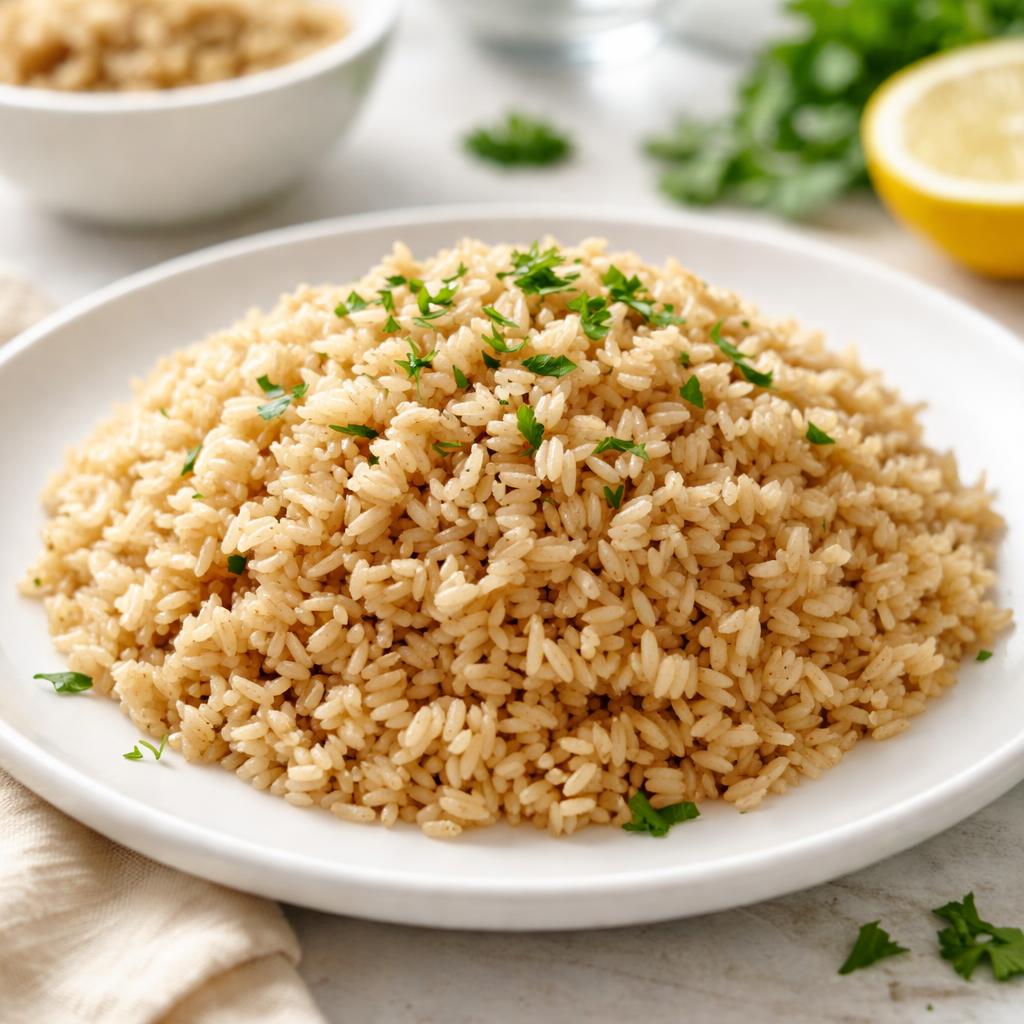
Brown Rice
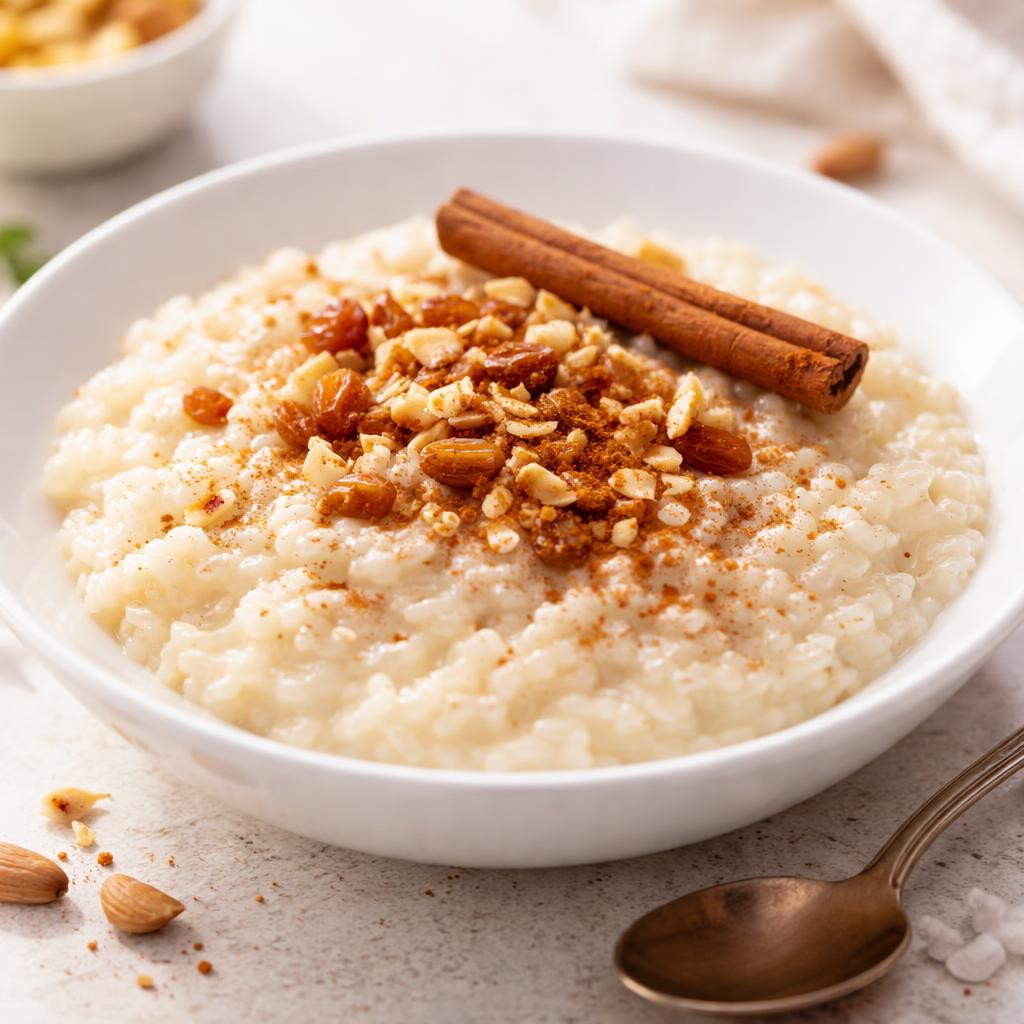
Rice Pudding
🎯 Quick Verdict
Brown rice is a whole grain, offering more protein, fiber, and fewer calories compared to rice pudding, which has added sugar and fats for a higher energy profile. Brown rice is better for sustained energy and digestion, while rice pudding is a sweet treat often enjoyed as a dessert.

Smart Nutrition Tracking with SnapCalorie

📊 Nutritional Comparison
Macronutrients
| Nutrient | Food 1 | Food 2 | Winner |
|---|---|---|---|
| Calories | 215 (1 cup cooked) | 291 (1 cup) | ✓ |
| Protein | 5g | 4g | ✓ |
| Carbs | 45g | 38g | ✓ |
| Fat | 1.8g | 8g | ✓ |
| Fiber | 3.5g | 0.5g | ✓ |
Vitamins & Minerals
| Nutrient | Food 1 | Food 2 | Winner |
|---|---|---|---|
| Vitamin D | 0mcg | 2mcg | ✓ |
| Calcium | 20mg | 150mg | ✓ |
| Iron | 0.8mg | 0.2mg | ✓ |
| Potassium | 84mg | 155mg | ✓ |
🏆 Category Winners
Protein
Brown rice provides 1g more protein per serving.
Fiber
Brown rice has 3g more fiber per cup.
Calories
Brown rice contains 26% fewer calories per serving.
Vitamins
Rice pudding is fortified with calcium and vitamin D.
🥗 Diet Compatibility
Keto
Food 1: Not Compatible
Food 2: Not Compatible
Both are high-carb foods unsuitable for keto.
Vegan
Food 1: Compatible
Food 2: Not Compatible
Rice pudding often contains dairy unless a vegan alternative is used.
Gluten Free
Food 1: Compatible
Food 2: Compatible
Neither contains gluten, making them safe for celiac diets.
Paleo
Food 1: Not Compatible
Food 2: Not Compatible
Neither aligns with paleo principles due to grains and dairy.
Low Carb
Food 1: Not Compatible
Food 2: Not Compatible
Both are carbohydrate-dense foods unsuitable for low-carb diets.
💪 Health Benefits Comparison
Food 1 Benefits
- Rich in fiber for digestion and gut health
- Contains essential minerals like manganese and magnesium
- Provides sustained energy with complex carbohydrates
- Supports heart health through whole grain compounds
Food 2 Benefits
- Good source of calcium for bone health
- Offers quick energy due to simple sugars
- Includes vitamin D for immune system and bone support
- Can serve as a comforting and calorie-dense meal option
✅ The Bottom Line
Brown rice offers more protein, fiber, and fewer calories, making it ideal for individuals aiming for weight management and sustained energy. Rice pudding, while lower in fiber and protein, provides a sweet, creamy dessert option with added calcium and vitamin D in fortified varieties.
Choose Food 1 for: Fiber-rich diets, heart health, weight management, sustained energy
Choose Food 2 for: Sweet cravings, quick energy boosts, calcium for bone health


