Brown Rice VS Rice Cakes
A detailed nutritional comparison
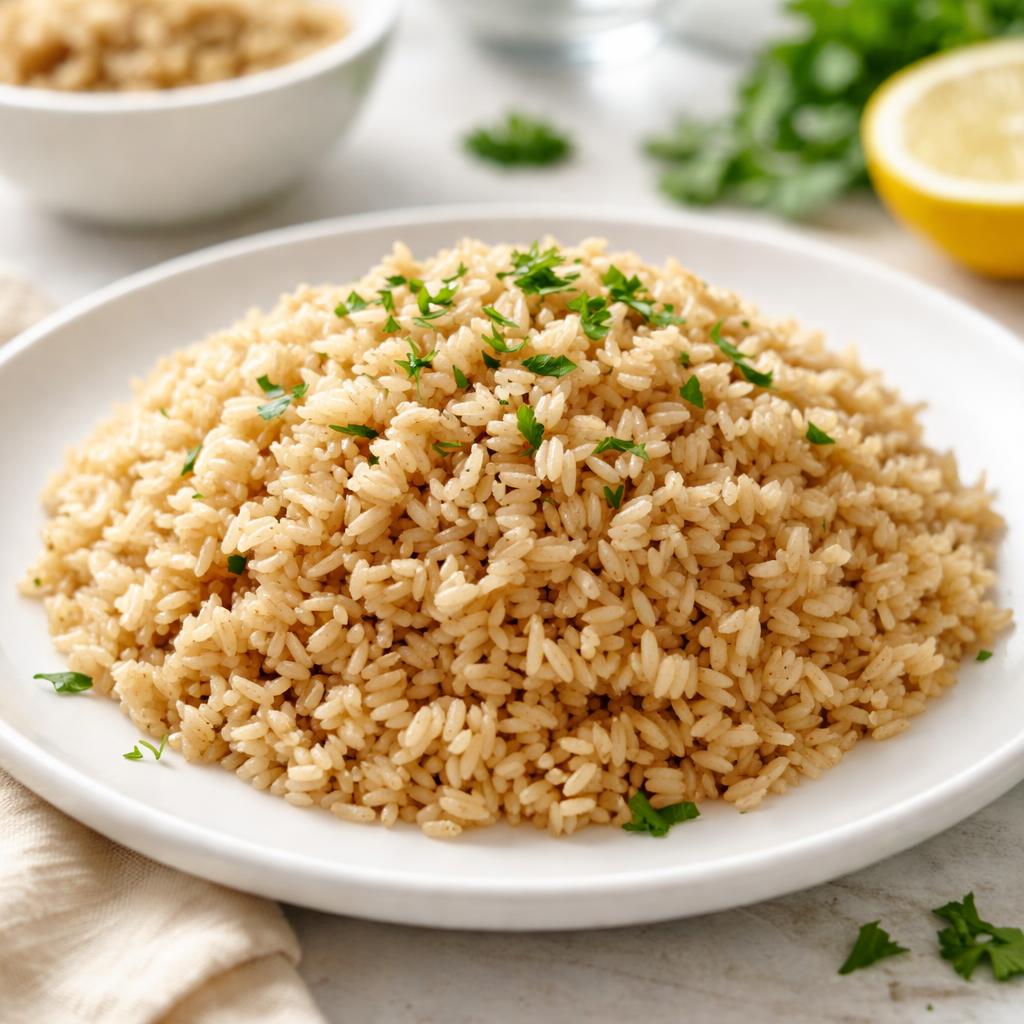
Brown Rice
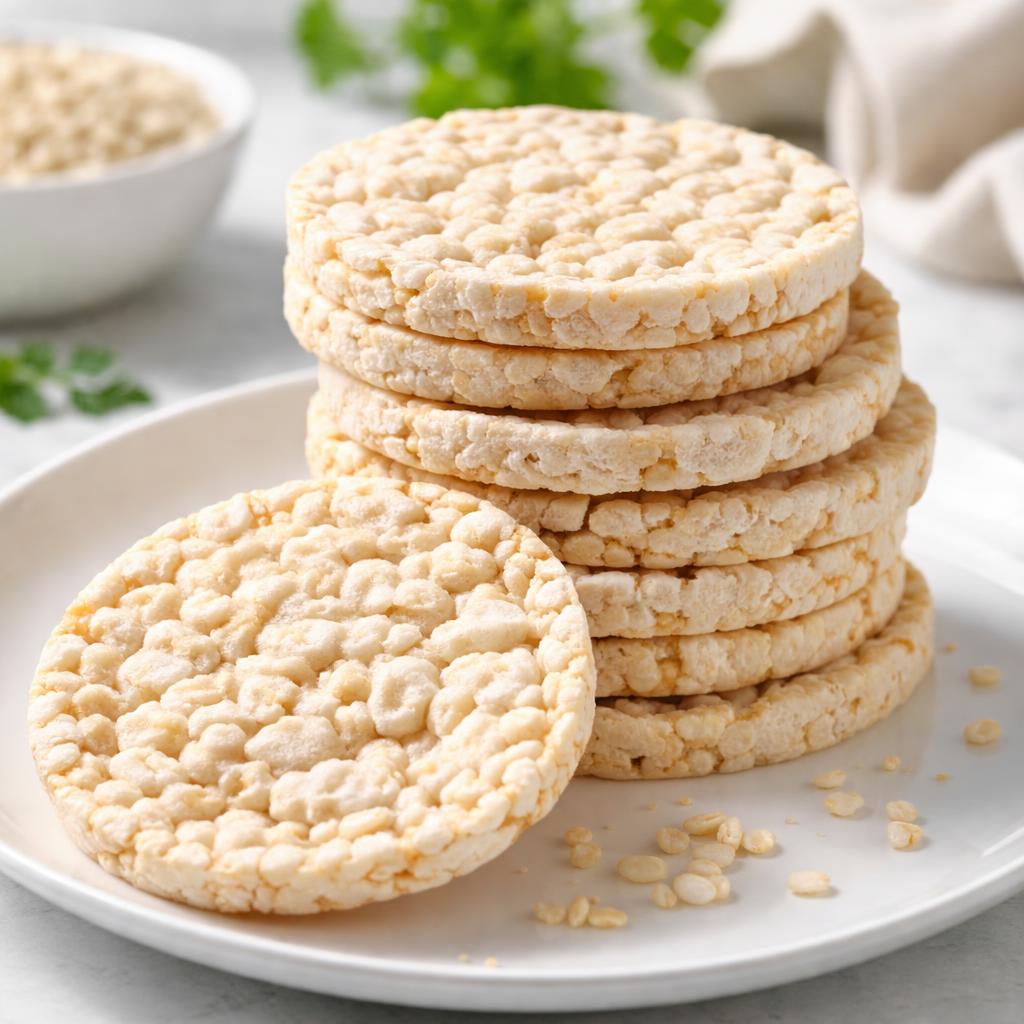
Rice Cakes
🎯 Quick Verdict
Brown rice offers more protein, fiber, and overall nutrient density, making it better for sustained energy and digestive health. Rice cakes are lower in calories and quicker to snack on, ideal for calorie-conscious or low-fat diets. Choose brown rice for balanced meals and rice cakes for convenience and lightness.

Smart Nutrition Tracking with SnapCalorie

📊 Nutritional Comparison
Macronutrients
| Nutrient | Food 1 | Food 2 | Winner |
|---|---|---|---|
| Calories | 215 (per cooked cup) | 35 (per rice cake) | − |
| Protein | 5g | 0.7g | − |
| Carbs | 45g | 7g | − |
| Fat | 1.8g | 0g | − |
| Fiber | 3.5g | 0g | − |
Vitamins & Minerals
| Nutrient | Food 1 | Food 2 | Winner |
|---|---|---|---|
| Vitamin B6 | 0.29mg | 0.02mg | − |
| Magnesium | 84mg | 3mg | − |
| Iron | 0.8mg | 0.1mg | − |
🏆 Category Winners
Protein
Brown rice provides significantly higher protein content compared to rice cakes.
Fiber
Brown rice offers 3.5g of fiber per serving, essential for digestion and satiety.
Calories
Rice cakes have far fewer calories, suitable for calorie-restricted diets.
Vitamins
Brown rice is richer in key vitamins and minerals, including magnesium and vitamin B6.
🥗 Diet Compatibility
Keto
Food 1: Not Compatible
Food 2: Not Compatible
Both are high in carbohydrates and unsuitable for ketogenic diets.
Vegan
Food 1: Compatible
Food 2: Compatible
Both foods are plant-based and fit vegan diets.
Gluten Free
Food 1: Compatible
Food 2: Compatible
Neither contains gluten, suitable for gluten-free diets.
Paleo
Food 1: Not Compatible
Food 2: Sometimes Compatible
Brown rice is not paleo. Rice cakes could fit paleo if made from natural ingredients (check labels).
Low Carb
Food 1: Not Compatible
Food 2: Partially Compatible
Rice cakes are lower in carbs compared to brown rice but still moderately high.
💪 Health Benefits Comparison
Food 1 Benefits
- Rich in fiber to aid digestion and promote satiety.
- Contains magnesium, supporting bone health and energy production.
- Provides essential B vitamins for metabolism.
Food 2 Benefits
- Low in calories, ideal for weight loss or snacking.
- Convenient and lightweight for on-the-go eating.
- Non-perishable and shelf-stable.
✅ The Bottom Line
Brown rice is the more nutritionally complete option, offering protein, fiber, and vitamins for long-term health, while rice cakes are best for quick, low-calorie snacks. Choose brown rice for balanced meals and rice cakes if you need convenience or are restricting calories.
Choose Food 1 for: Balanced meals, digestive health, sustained energy
Choose Food 2 for: Quick snacking, weight management, low-fat diets


