Brown Rice VS Japanese Rice
A detailed nutritional comparison
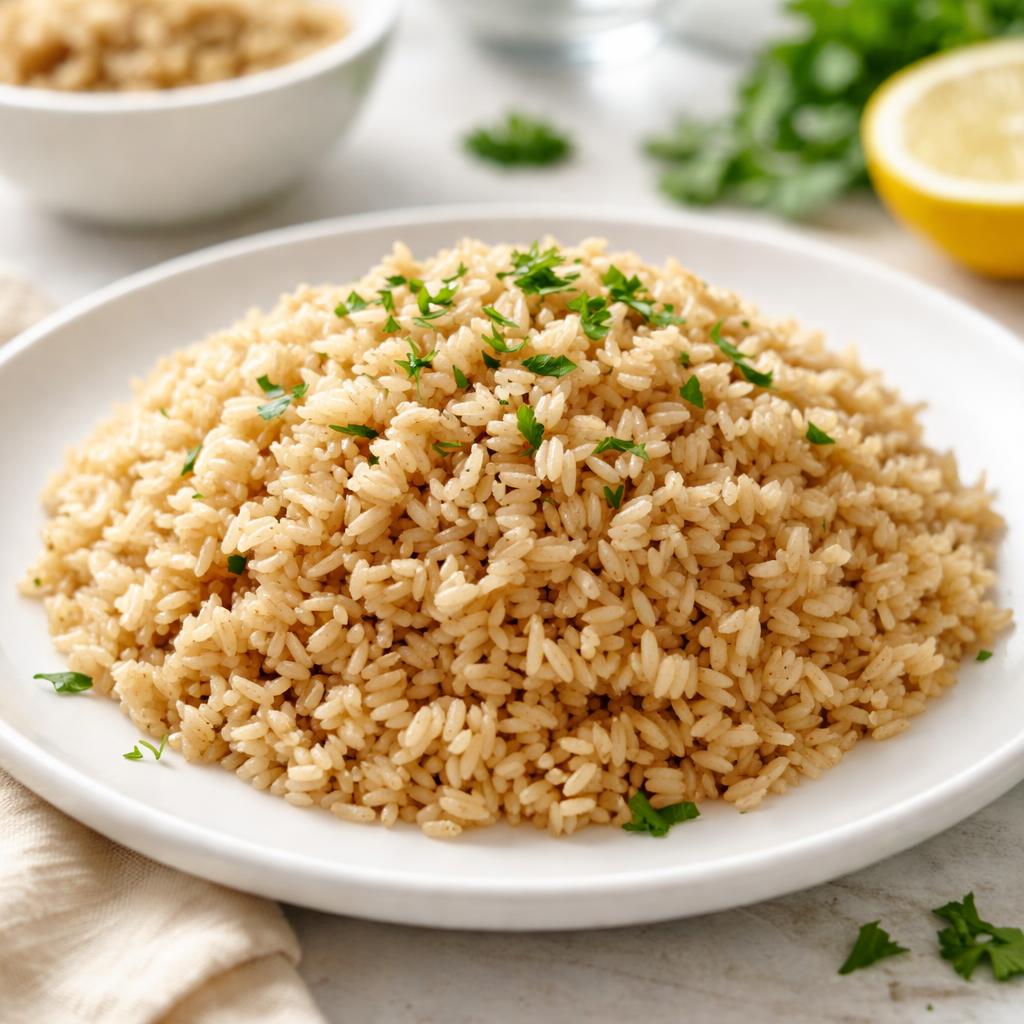
Brown Rice
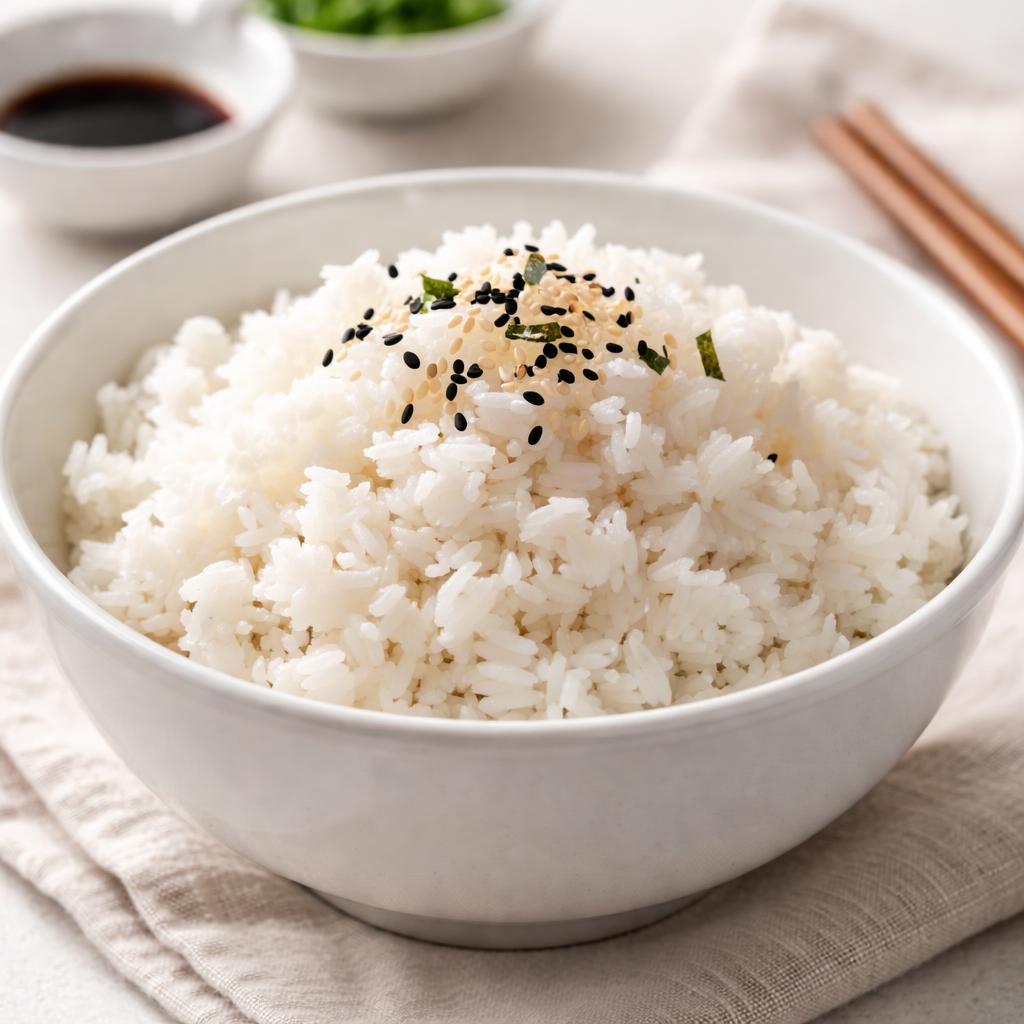
Japanese Rice
🎯 Quick Verdict
Brown rice edges out Japanese rice in terms of nutrients like protein, fiber, and key vitamins, making it the better option for overall nutrition and satiety. Japanese rice is slightly lower in calories and has a more refined taste and texture, making it a good choice for recipes where a light, neutral grain is needed. Both are versatile and widely compatible with various diets.

Smart Nutrition Tracking with SnapCalorie

📊 Nutritional Comparison
Macronutrients
| Nutrient | Food 1 | Food 2 | Winner |
|---|---|---|---|
| Calories | 215 | 174 | − |
| Protein | 5g | 4g | − |
| Carbs | 45g | 39g | − |
| Fat | 1.8g | 0.3g | − |
| Fiber | 3.5g | 0.5g | − |
Vitamins & Minerals
| Nutrient | Food 1 | Food 2 | Winner |
|---|---|---|---|
| Vitamin B6 | 0.1mg | 0.05mg | − |
| Magnesium | 84mg | 10mg | − |
| Iron | 0.8mg | 0.2mg | − |
🏆 Category Winners
Protein
Brown rice contains 25% more protein per serving compared to Japanese rice.
Fiber
Brown rice contains about 7x more fiber (3.5g vs 0.5g).
Calories
Japanese rice is about 19% lower in calories compared to brown rice.
Vitamins
Brown rice is richer in key micronutrients like magnesium, iron, and vitamin B6.
🥗 Diet Compatibility
Keto
Food 1: Not Compatible
Food 2: Not Compatible
Both are high in carbs and not suitable for keto diets.
Vegan
Food 1: Compatible
Food 2: Compatible
Both are plant-based and vegan-friendly.
Gluten Free
Food 1: Compatible
Food 2: Compatible
Neither contains gluten and are safe for gluten-free diets.
Paleo
Food 1: Compatible
Food 2: Compatible
Both align with Paleo guidelines as unprocessed grains.
Low-Carb
Food 1: Not Compatible
Food 2: Not Compatible
Both have high carbohydrate content.
💪 Health Benefits Comparison
Food 1 Benefits
- High fiber content supports digestive health and satiety.
- Good source of magnesium, promoting bone health and regulating muscle function.
- Rich in antioxidants and phytochemicals for overall wellness.
Food 2 Benefits
- Lower in calories, making it a better choice for calorie-controlled diets.
- Provides quick and easy energy due to its higher carbohydrate ratio.
- Easily digestible and suitable for sensitive stomachs.
✅ The Bottom Line
Choose brown rice for higher fiber, protein, and nutritional density, especially for weight management, digestion, or post-workout meals. Opt for Japanese rice if you prefer a milder taste, fewer calories, or plan to use rice in dishes that require a soft and sticky texture.
Choose Food 1 for: Weight management, high-fiber diets, nutrient-dense meals
Choose Food 2 for: Low-calorie meals, quick energy source, recipes requiring soft texture


