Brown Rice VS Black Rice
A detailed nutritional comparison
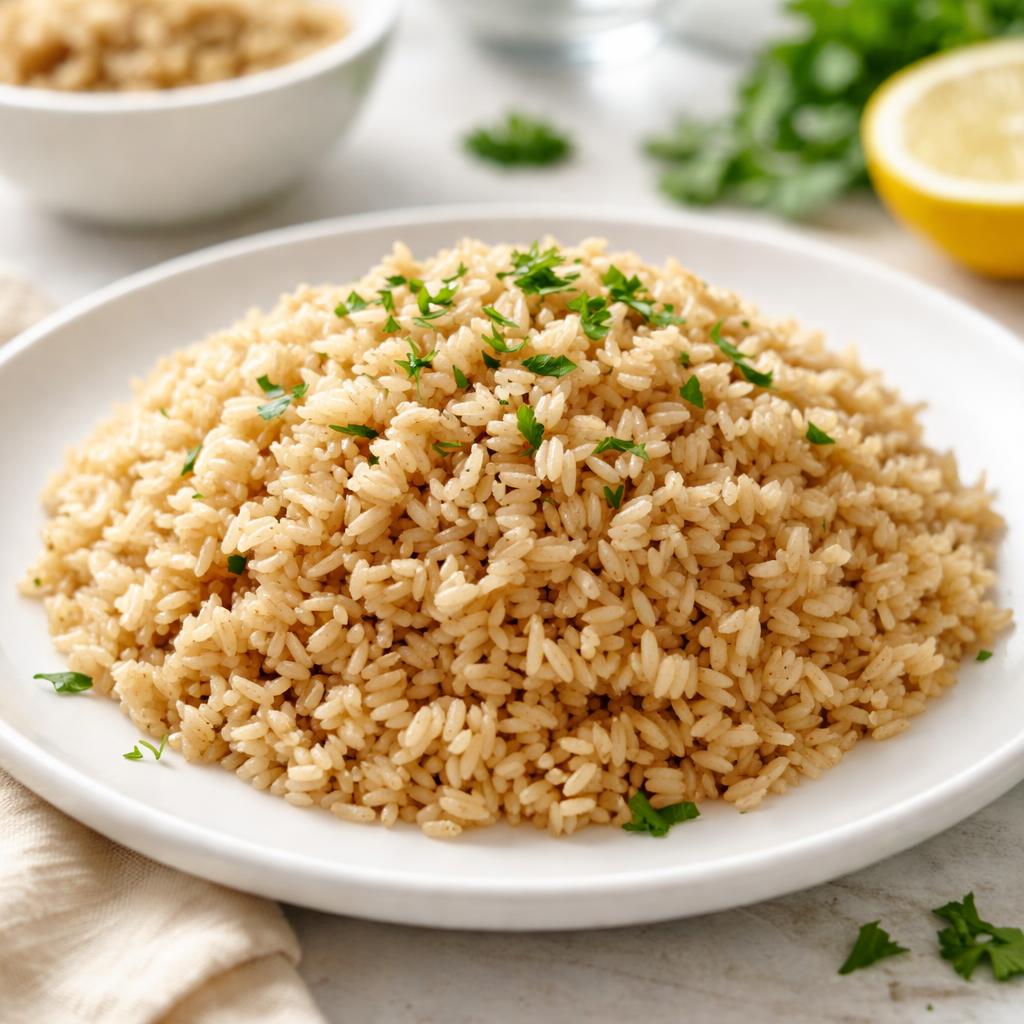
Brown Rice
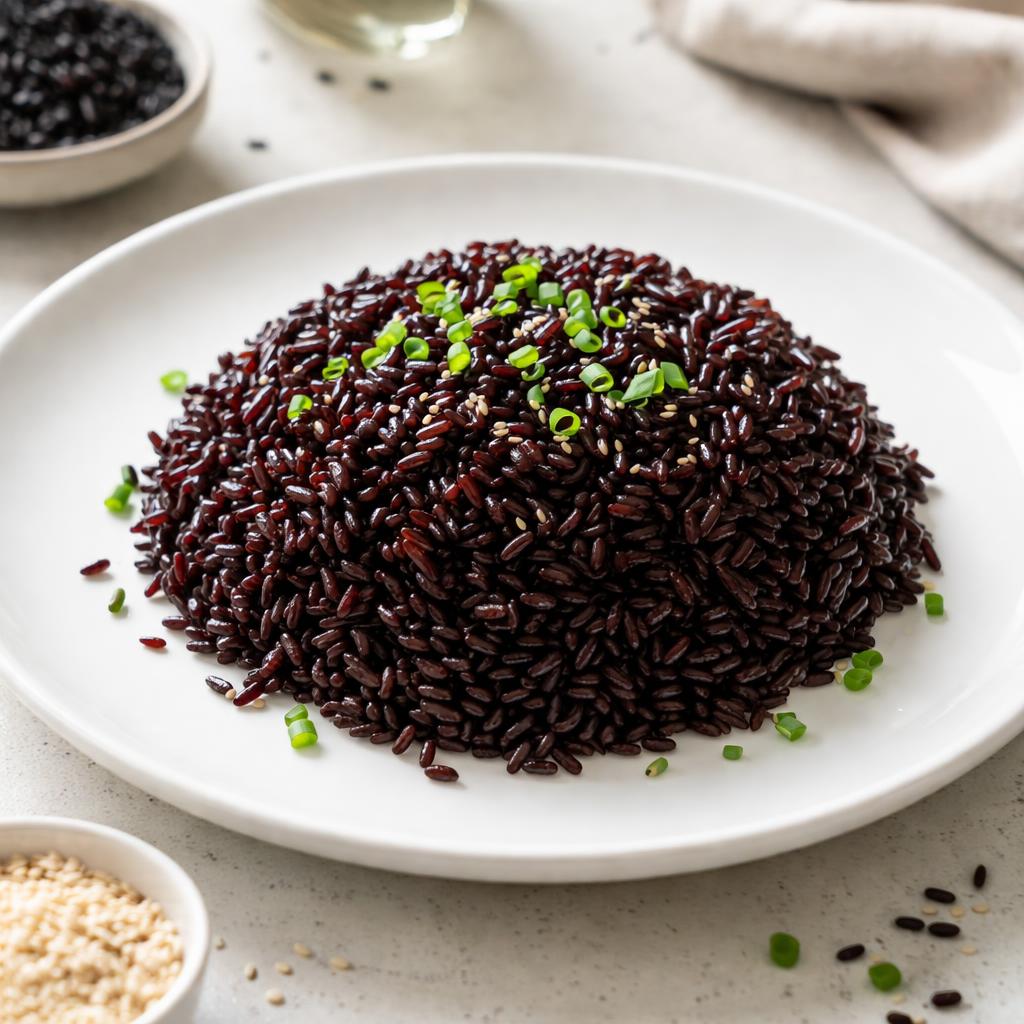
Black Rice
🎯 Quick Verdict
Both brown rice and black rice are whole grains, but black rice offers slightly more protein and fiber per serving, along with a higher concentration of antioxidants. Brown rice remains a reliable option for sustained energy and lower cost, while black rice may be more beneficial for heart and brain health given its rich nutrient profile.

Smart Nutrition Tracking with SnapCalorie

📊 Nutritional Comparison
Macronutrients
| Nutrient | Food 1 | Food 2 | Winner |
|---|---|---|---|
| Calories | 216 | 215 | − |
| Protein | 5g | 6g | ✓ |
| Carbs | 45g | 45g | − |
| Fat | 1.8g | 1.5g | ✓ |
| Fiber | 3.5g | 4.9g | ✓ |
Vitamins & Minerals
| Nutrient | Food 1 | Food 2 | Winner |
|---|---|---|---|
| Vitamin E | 0.5mg | 1mg | ✓ |
| Magnesium | 84mg | 117mg | ✓ |
| Zinc | 1.2mg | 2mg | ✓ |
🏆 Category Winners
Protein
Black rice provides 20% more protein per serving.
Fiber
Black rice contains 40% more fiber, contributing to better digestive health.
Calories
Both have nearly identical calorie counts per serving.
Vitamins
Black rice is richer in magnesium, zinc, and vitamin E compared to brown rice.
🥗 Diet Compatibility
Keto
Food 1: Not Compatible
Food 2: Not Compatible
Both are high-carb foods and unsuitable for keto diets.
Vegan
Food 1: Compatible
Food 2: Compatible
Both are plant-based and vegan-friendly.
Gluten Free
Food 1: Compatible
Food 2: Compatible
Neither contains gluten naturally.
Paleo
Food 1: Limited Compatibility
Food 2: Limited Compatibility
Rice is generally avoided in strict paleo diets, but tolerated in some modified versions.
Low-Carb
Food 1: Not Compatible
Food 2: Not Compatible
Net carbs are too high for low-carb diets.
💪 Health Benefits Comparison
Food 1 Benefits
- Provides sustained energy due to complex carbohydrates
- Contains selenium for antioxidant support
- Affordable whole grain option for healthy eating
Food 2 Benefits
- Rich in anthocyanins, offering potent antioxidant benefits
- Higher protein content supports muscle repair
- Improves heart and brain health due to higher magnesium and zinc levels
- Better fiber content for improved gut health
✅ The Bottom Line
Choose black rice if you're looking for a nutrient-dense option with higher protein, fiber, and antioxidants. Brown rice is a great budget-friendly choice for sustained energy and basic nutrition. Both are excellent in balanced diets, but black rice edges ahead in health benefits.
Choose Food 1 for: Affordable whole grain meals, energy sustenance, regular healthy eating
Choose Food 2 for: Boosting antioxidant intake, improving fiber consumption, muscle and brain support


