Brown Rice VS Black Bread
A detailed nutritional comparison
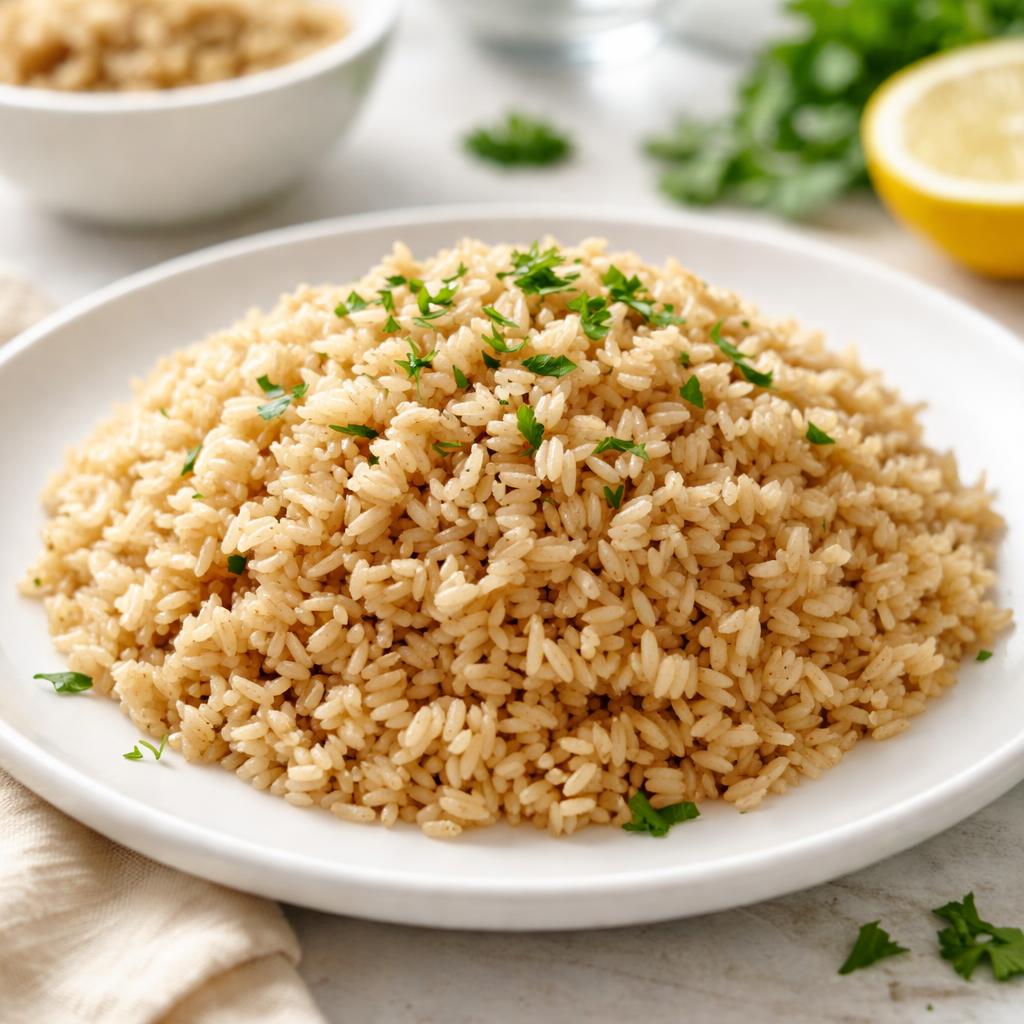
Brown Rice
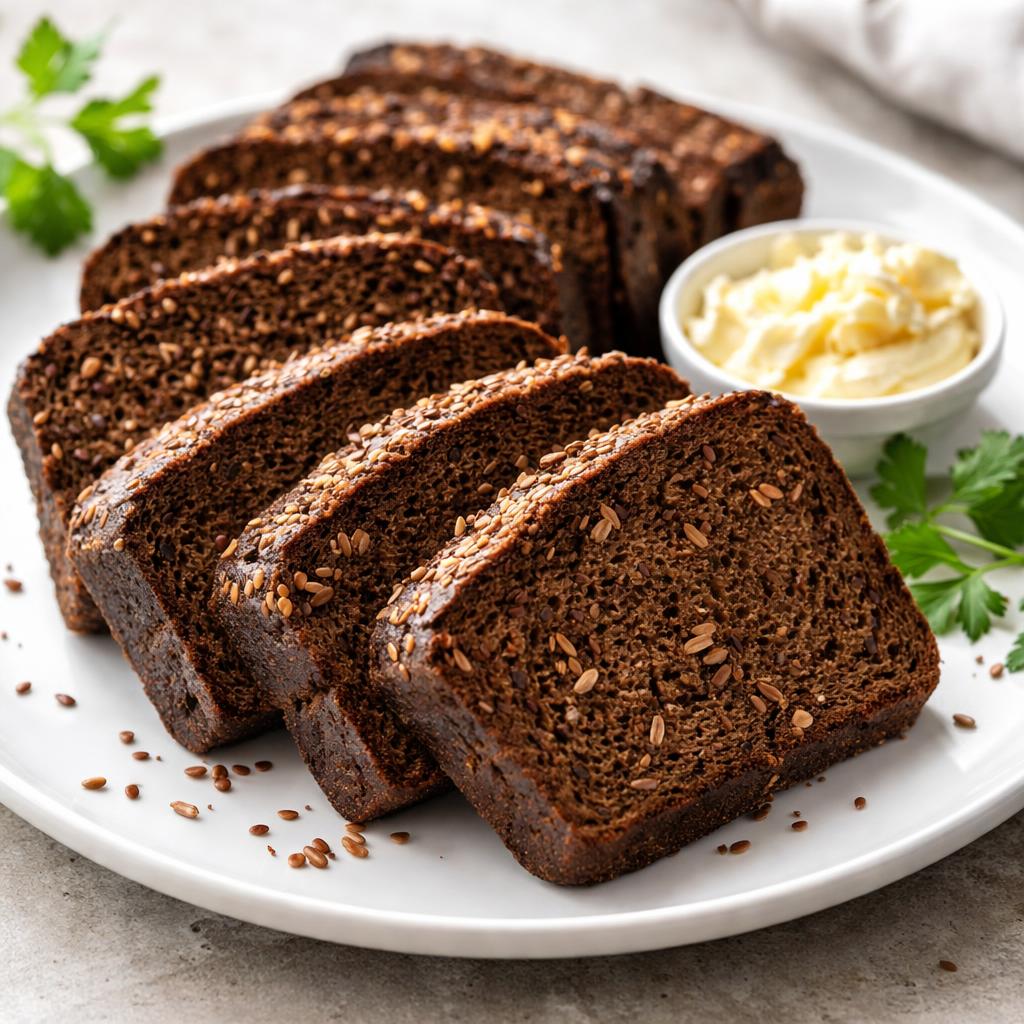
Black Bread
🎯 Quick Verdict
Brown rice excels in providing fewer calories and being gluten-free, making it a suitable option for calorie-conscious and gluten-intolerant individuals. Black bread, on the other hand, is higher in protein and fiber, making it ideal for those prioritizing nutrient density and digestive health. Both have their distinct roles depending on dietary goals and preferences.

Smart Nutrition Tracking with SnapCalorie

📊 Nutritional Comparison
Macronutrients
| Nutrient | Food 1 | Food 2 | Winner |
|---|---|---|---|
| Calories | 216 | 250 | ✓ |
| Protein | 5g | 8g | ✓ |
| Carbs | 45g | 48g | ✓ |
| Fat | 1.7g | 3.2g | ✓ |
| Fiber | 1.8g | 5.5g | ✓ |
Vitamins & Minerals
| Nutrient | Food 1 | Food 2 | Winner |
|---|---|---|---|
| Vitamin B6 | 0.29mg | 0.08mg | ✓ |
| Iron | 0.8mg | 1.2mg | ✓ |
| Magnesium | 82mg | 50mg | ✓ |
| Zinc | 1.2mg | 0.9mg | ✓ |
🏆 Category Winners
Protein
Black bread contains 60% more protein per serving than brown rice.
Fiber
Black bread has significantly more fiber, making it better for digestion.
Calories
Brown rice is 14% lower in calories per serving.
Vitamins
Brown rice provides higher levels of magnesium and vitamin B6.
🥗 Diet Compatibility
Keto
Food 1: Not Compatible
Food 2: Not Compatible
Both foods are high in carbohydrates.
Vegan
Food 1: Compatible
Food 2: Compatible
Neither contains animal products.
Gluten Free
Food 1: Compatible
Food 2: Not Compatible
Brown rice is naturally gluten-free, whereas black bread typically contains gluten.
Paleo
Food 1: Compatible
Food 2: Not Compatible
Brown rice can be consumed on certain lenient paleo diets, but bread is not considered paleo-friendly.
Low-Carb
Food 1: Not Compatible
Food 2: Not Compatible
Both foods are high in carbohydrates and not suitable for carbohydrate-restricted diets.
💪 Health Benefits Comparison
Food 1 Benefits
- Good source of magnesium for bone health and energy production
- Rich in antioxidants for reducing oxidative stress
- Naturally gluten-free, suitable for those with gluten intolerance
- Provides steady energy due to complex carbohydrates
Food 2 Benefits
- High in dietary fiber for improved digestion and gut health
- Higher protein content supports muscle repair and growth
- Contains iron, which is vital for oxygen transport in the body
- Provides sustained energy and nutrient density
✅ The Bottom Line
Brown rice is a better choice for individuals looking for a gluten-free, lower-calorie option that provides steady energy and essential nutrients like magnesium. Black bread is ideal for those seeking higher protein and fiber intake, which support digestion and nutrient density. Both are versatile and suit different dietary goals.
Choose Food 1 for: Gluten-intolerant individuals, calorie-conscious diets, steady energy provision
Choose Food 2 for: High-protein diets, digestive support, nutrient-dense meals


