Brown Rice VS Barley
A detailed nutritional comparison
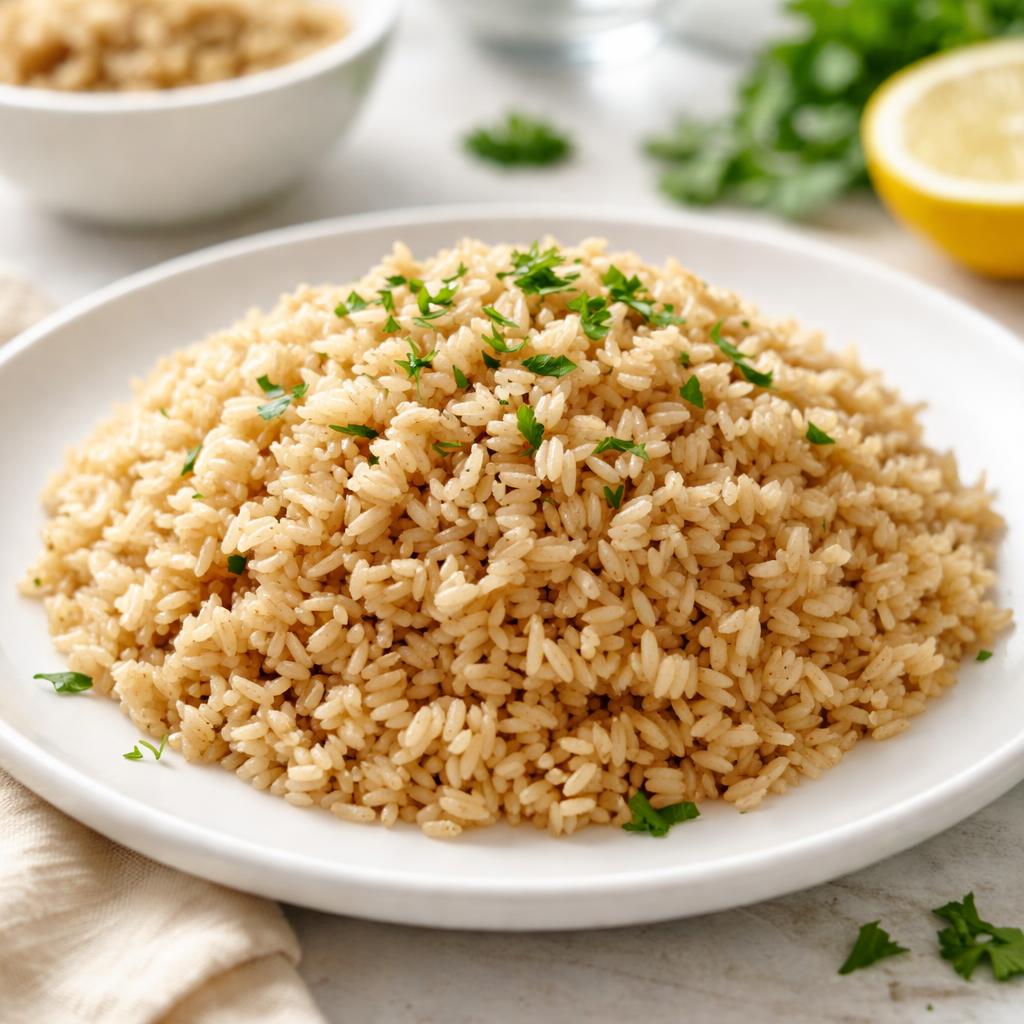
Brown Rice
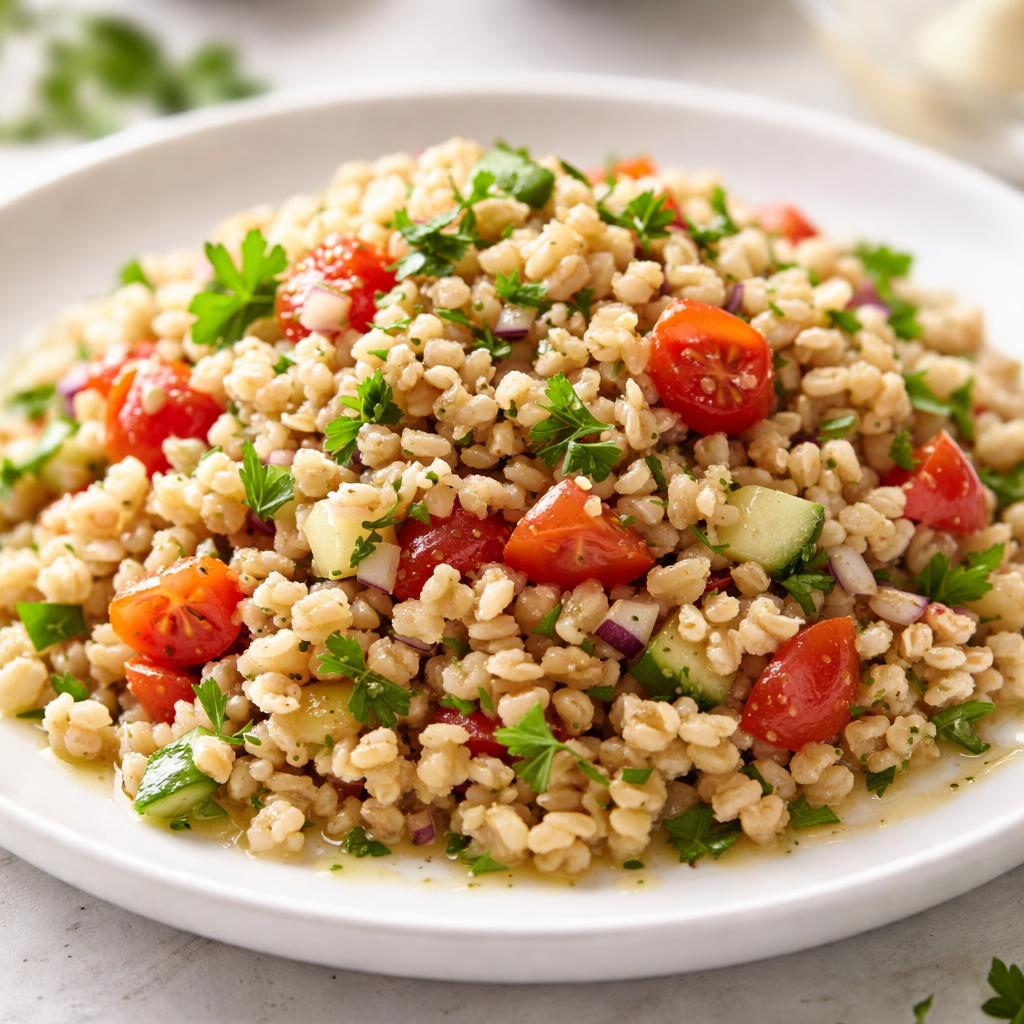
Barley
🎯 Quick Verdict
Brown rice and barley are both whole grains, but barley edges out on protein and fiber content, making it better for sustained energy and gut health. Brown rice is lower in calories and carbs, making it a good option for weight management and low-carb diets. Both are great nutrient-dense options but shine in different dietary use cases.

Smart Nutrition Tracking with SnapCalorie

📊 Nutritional Comparison
Macronutrients
| Nutrient | Food 1 | Food 2 | Winner |
|---|---|---|---|
| Calories | 216 | 193 | ✓ |
| Protein | 5g | 6g | ✓ |
| Carbs | 45g | 44g | ✓ |
| Fat | 1.8g | 0.7g | ✓ |
| Fiber | 3.5g | 6g | ✓ |
Vitamins & Minerals
| Nutrient | Food 1 | Food 2 | Winner |
|---|---|---|---|
| Vitamin B1 (Thiamine) | 0.2mg | 0.1mg | ✓ |
| Magnesium | 84mg | 34mg | ✓ |
| Iron | 0.8mg | 2mg | ✓ |
🏆 Category Winners
Protein
Barley has slightly higher protein content per serving than brown rice.
Fiber
Barley has nearly double the fiber content of brown rice.
Calories
Barley is slightly lower in calories, making it advantageous for calorie-reduction diets.
Vitamins
Brown rice has more magnesium and thiamine, supporting neurological health and energy production.
🥗 Diet Compatibility
Keto
Food 1: Not Compatible
Food 2: Not Compatible
Both are high-carb grains and do not fit into ketogenic diets.
Vegan
Food 1: Compatible
Food 2: Compatible
Both brown rice and barley are plant-based and vegan-friendly.
Gluten Free
Food 1: Compatible
Food 2: Not Compatible
Brown rice is naturally gluten-free while barley contains gluten.
Paleo
Food 1: Not Compatible
Food 2: Not Compatible
Grains are not permitted on strict paleo diets.
Low-Carb
Food 1: Not Compatible
Food 2: Not Compatible
Both foods have high carbohydrate content and are not low-carb.
💪 Health Benefits Comparison
Food 1 Benefits
- Good source of magnesium for nerve and muscle function
- Provides thiamine for energy metabolism
- Lower in calories and fat for weight management
Food 2 Benefits
- High in soluble fiber for digestive health
- Contains beta-glucans that support heart health by reducing cholesterol
- Rich in protein for muscle maintenance
✅ The Bottom Line
Choose brown rice for gluten-free diets, magnesium-rich meals, or low-calorie recipes. Opt for barley if your priority is gut health, higher protein intake, or heart health. These whole grains can complement various meals if tailored to your nutritional goals.
Choose Food 1 for: Gluten-free diets, weight loss, energy metabolism
Choose Food 2 for: Heart health, sustained energy, digestive wellness


