Brown Bread VS Wholewheat Chapati
A detailed nutritional comparison
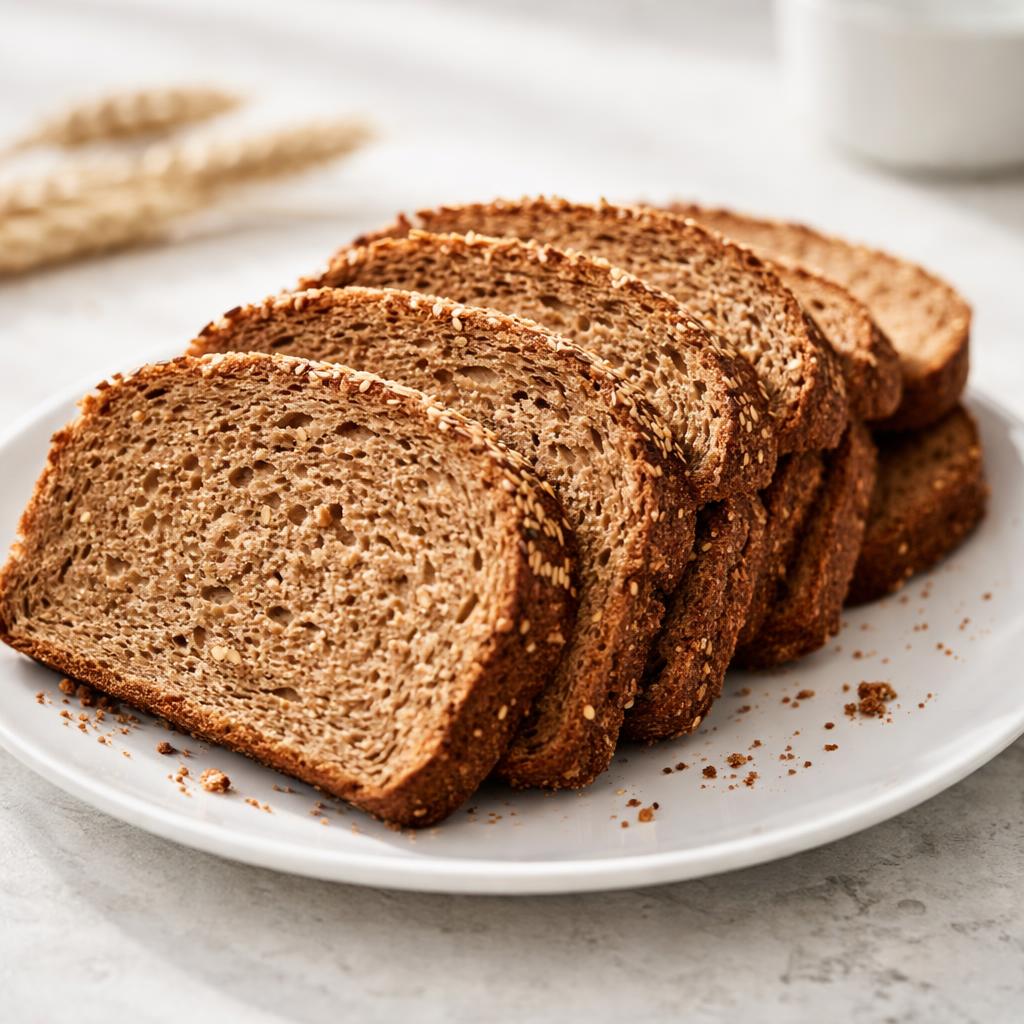
Brown Bread
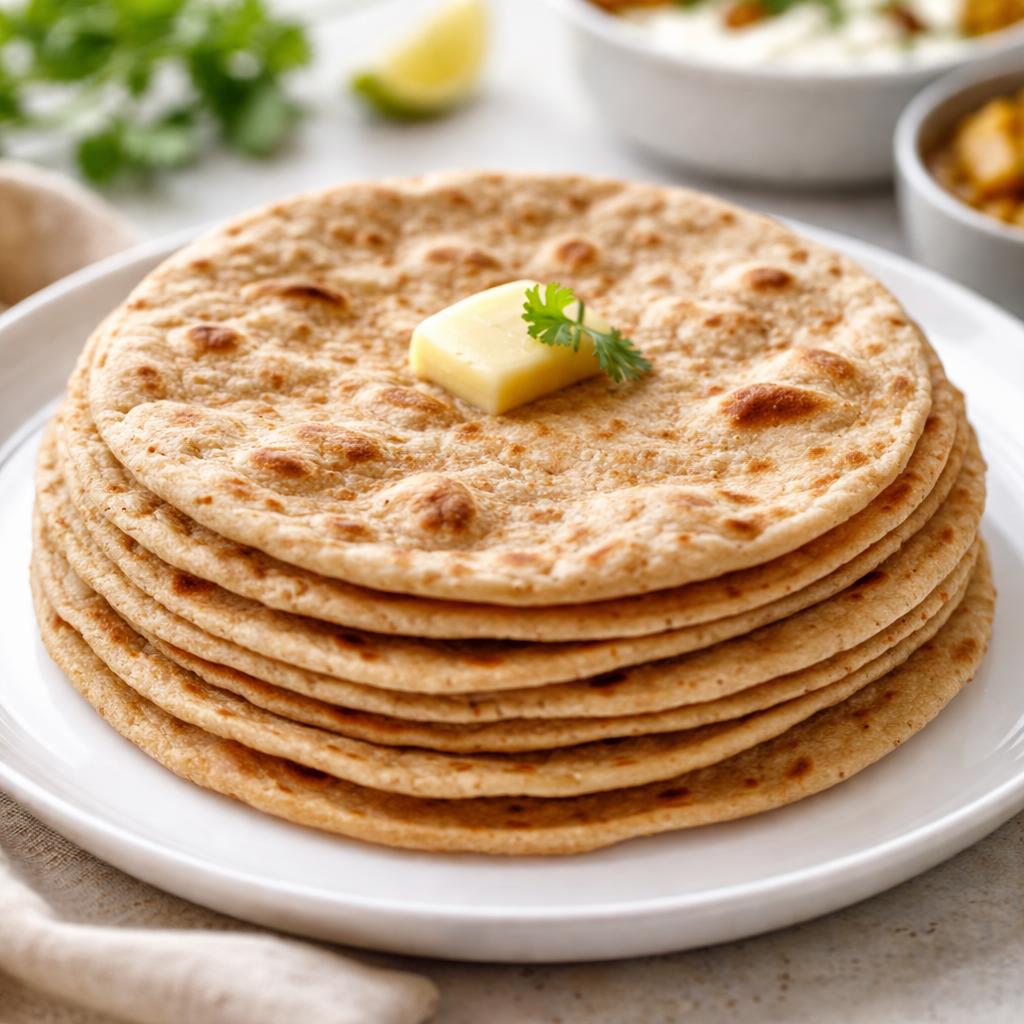
Wholewheat Chapati
🎯 Quick Verdict
Wholewheat chapati is slightly superior in overall nutrition, offering more protein and fewer calories per serving compared to brown bread. Brown bread, however, provides more dietary fiber, making it a better choice for gut health and fuller-feeling meals. Both are nutritious options, though chapati is better for calorie-conscious diets, while brown bread suits high-fiber dietary needs.

Smart Nutrition Tracking with SnapCalorie

📊 Nutritional Comparison
Macronutrients
| Nutrient | Food 1 | Food 2 | Winner |
|---|---|---|---|
| Calories | 75 (per slice) | 60 (per chapati) | ✓ |
| Protein | 3g | 4g | ✓ |
| Carbs | 13g | 12g | ✓ |
| Fat | 0.8g | 1g | − |
| Fiber | 2g | 1g | ✓ |
Vitamins & Minerals
| Nutrient | Food 1 | Food 2 | Winner |
|---|---|---|---|
| Vitamin B6 | 0.2mg | 0.1mg | ✓ |
| Niacin (Vitamin B3) | 1.5mg | 1.2mg | ✓ |
| Magnesium | 20mg | 22mg | ✓ |
| Iron | 0.8mg | 1mg | ✓ |
🏆 Category Winners
Protein
Wholewheat chapati provides 33% more protein per serving.
Fiber
Brown bread delivers double the fiber content per serving.
Calories
Chapati contains 20% fewer calories than brown bread.
Vitamins
Brown bread has slightly higher B vitamins, like B6 and B3.
🥗 Diet Compatibility
Keto
Food 1: Not Compatible
Food 2: Not Compatible
Both are high-carb and not suitable for keto diets.
Vegan
Food 1: Compatible
Food 2: Compatible
Both foods are plant-based and free of animal products.
Gluten Free
Food 1: Not Compatible
Food 2: Not Compatible
Both are made from wheat and contain gluten.
Paleo
Food 1: Not Compatible
Food 2: Not Compatible
Neither fits paleo diets due to reliance on processed grains.
Low-Carb
Food 1: Not Compatible
Food 2: Not Compatible
Both foods are carbohydrate-rich above 10g per serving.
💪 Health Benefits Comparison
Food 1 Benefits
- Higher fiber content promotes digestive health and satiety.
- Contains B vitamins for energy metabolism.
- Supports heart health due to low fat content.
Food 2 Benefits
- Higher protein content supports muscle maintenance and repair.
- Rich in magnesium and iron, aiding energy and blood circulation.
- Lower calorie content makes it suitable for weight management.
✅ The Bottom Line
Choose brown bread if increasing fiber intake and gut health are priorities, or if you want a filling addition to meals. Opt for wholewheat chapati for a lower-calorie alternative with more protein and micronutrients, making it better for weight-conscious or nutrient-focused diets.
Choose Food 1 for: High-fiber diets, digestive health, energy metabolism
Choose Food 2 for: Weight management, muscle repair, nutrient density


