Brown Bread VS Wholewheat Bread
A detailed nutritional comparison
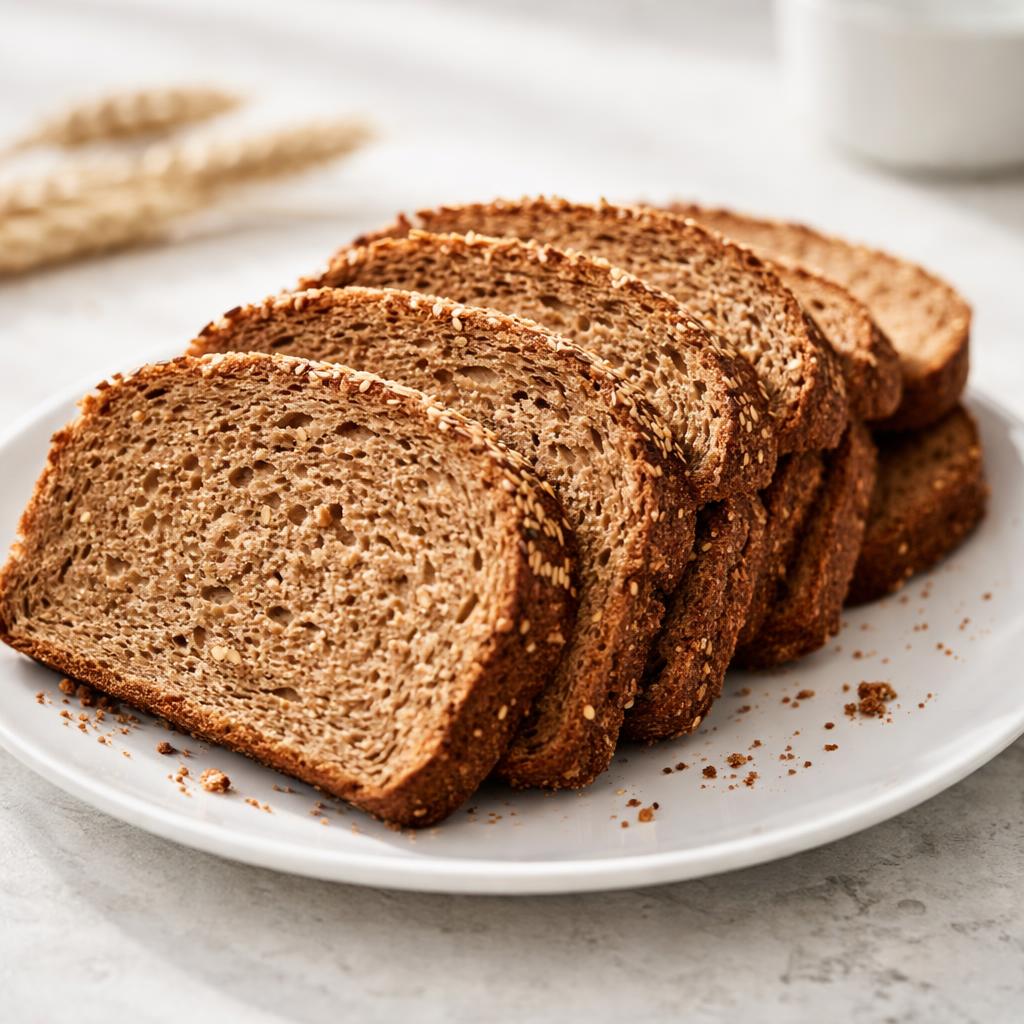
Brown Bread

Wholewheat Bread
🎯 Quick Verdict
Brown bread and wholewheat bread are nutritionally similar, but wholewheat bread has slightly higher protein and fiber content, making it a better choice for a nutrient-dense diet. Both are good for general health and fit well into vegan and gluten-free diets, though neither fits low-carb plans due to their carbohydrate content. Brown bread may appeal more to individuals seeking milder flavor, while wholewheat bread offers a denser texture and higher nutrient density.

Smart Nutrition Tracking with SnapCalorie

📊 Nutritional Comparison
Macronutrients
| Nutrient | Food 1 | Food 2 | Winner |
|---|---|---|---|
| Calories | − | ||
| Protein | − | ||
| Carbs | − | ||
| Fat | − | ||
| Fiber | − |
Vitamins & Minerals
| Nutrient | Food 1 | Food 2 | Winner |
|---|---|---|---|
| Vitamin B6 | − | ||
| Magnesium | − | ||
| Iron | − | ||
| Folate | − |
🏆 Category Winners
Protein
Wholewheat bread contains 20% more protein per slice than brown bread.
Fiber
Wholewheat bread offers 33% more fiber per slice, aiding in better digestion.
Calories
Both brown bread and wholewheat bread contain the same caloric content per slice (75 calories).
Vitamins
Wholewheat bread generally contains more essential vitamins and minerals such as Vitamin B6, Magnesium, and Iron.
🥗 Diet Compatibility
Keto
Food 1: Unknown
Food 2: Unknown
Both breads contain 13g of carbohydrates per slice, exceeding the limits of keto diets.
Vegan
Food 1: Unknown
Food 2: Unknown
Both breads are plant-based and free of animal ingredients.
Gluten Free
Food 1: Unknown
Food 2: Unknown
Both contain gluten as they are made with wheat flour.
Paleo
Food 1: Unknown
Food 2: Unknown
Neither bread fits paleo criteria as they rely on grain-based flours.
Low-Carb
Food 1: Unknown
Food 2: Unknown
Each slice contains 13g of carbs, which is not suitable for low-carb diets.
💪 Health Benefits Comparison
Food 1 Benefits
Food 2 Benefits
✅ The Bottom Line
Both brown bread and wholewheat bread are solid choices for general healthy eating, but wholewheat bread has an edge due to its higher protein, fiber, and mineral content. Opt for brown bread if you're seeking a milder flavor and slightly easier digestion, while wholewheat bread suits people aiming for more nutrient-dense options and staying fuller longer.


