Brown Bread VS Sliced Bread
A detailed nutritional comparison
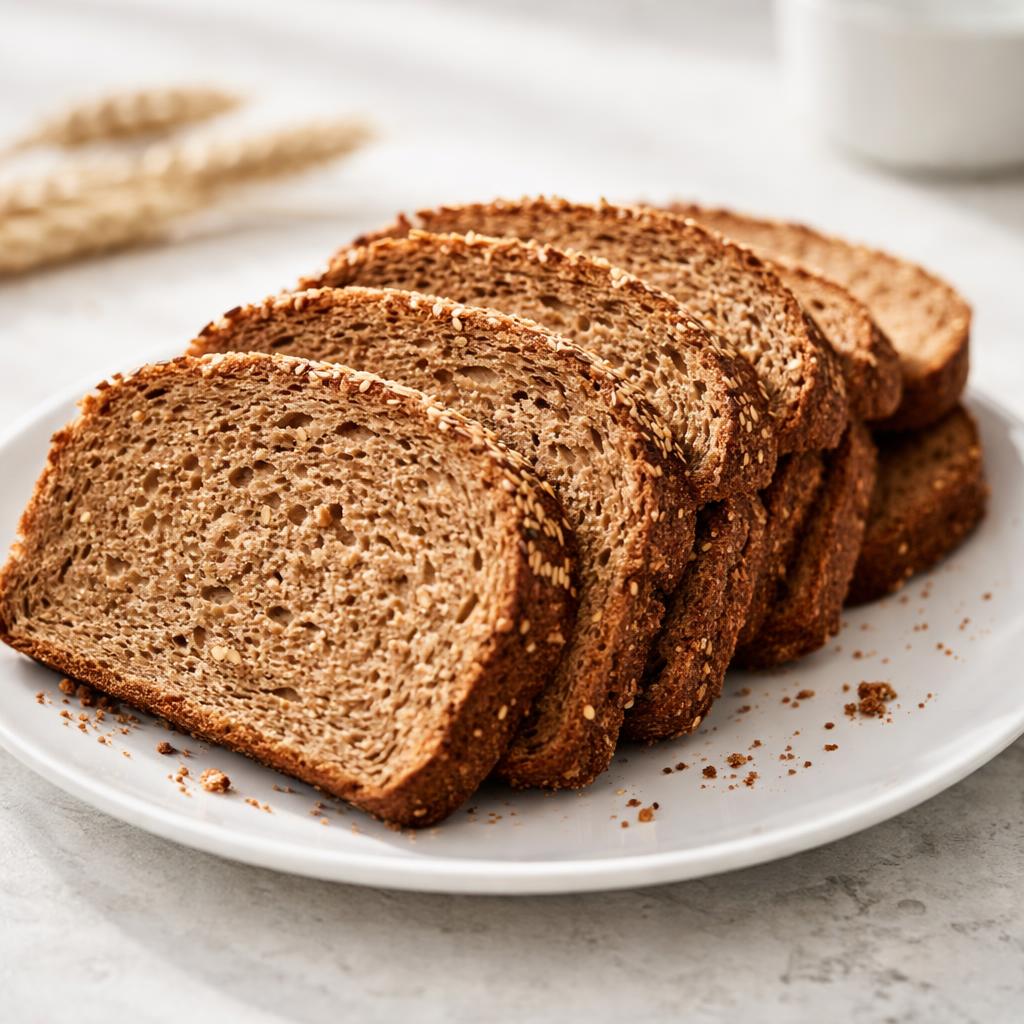
Brown Bread
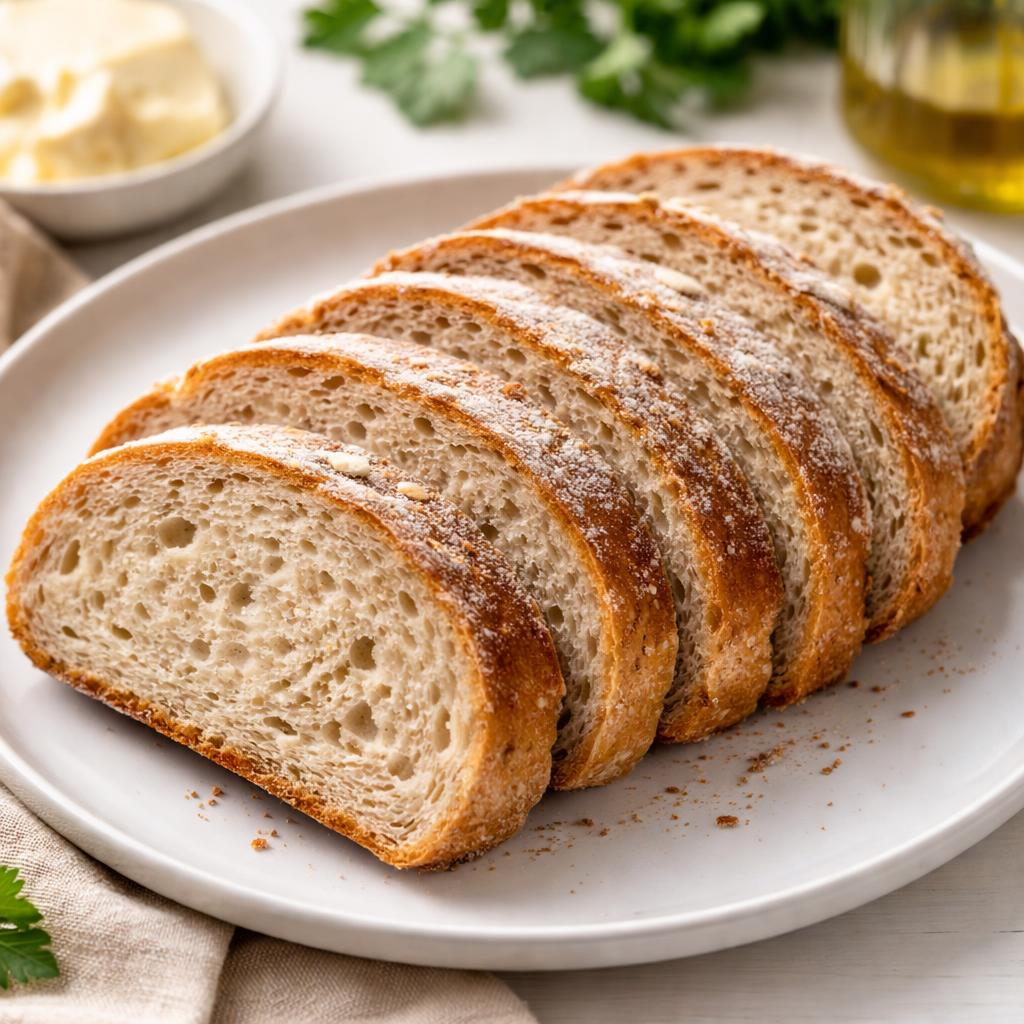
Sliced Bread
🎯 Quick Verdict
Brown bread offers higher protein and fiber content per serving compared to sliced bread, making it the more nutrient-dense choice. Both foods are relatively equal in calories, but brown bread provides better support for digestion and heart health, while sliced bread may appeal for its softer texture and convenience. Best for more nutritious sandwiches and meals: brown bread.

Smart Nutrition Tracking with SnapCalorie

📊 Nutritional Comparison
Macronutrients
| Nutrient | Food 1 | Food 2 | Winner |
|---|---|---|---|
| Calories | 75 | 75 | − |
| Protein | 4g | 2.5g | ✓ |
| Carbs | 14g | 13.8g | ✓ |
| Fat | 0.7g | 0.9g | ✓ |
| Fiber | 2g | 1g | ✓ |
Vitamins & Minerals
| Nutrient | Food 1 | Food 2 | Winner |
|---|---|---|---|
| Vitamin D | 0mcg | 0mcg | − |
| Calcium | 50mg | 100mg | ✓ |
| Iron | 1.1mg | 0.6mg | ✓ |
🏆 Category Winners
Protein
Brown bread contains over 60% more protein per slice compared to sliced bread.
Fiber
Brown bread has twice the amount of dietary fiber per slice for digestive support.
Calories
Both foods offer the same calorie count per serving.
Vitamins
Brown bread has slightly more iron for blood health and energy production.
🥗 Diet Compatibility
Keto
Food 1: Not Compatible
Food 2: Not Compatible
Both contain too many carbs to fit a keto diet.
Vegan
Food 1: Compatible
Food 2: Compatible
Both are plant-based and do not use animal products.
Gluten Free
Food 1: Not Compatible
Food 2: Not Compatible
Both contain gluten as they are wheat-based.
Paleo
Food 1: Not Compatible
Food 2: Not Compatible
Both do not fit paleo guidelines due to processed grains.
Low-Carb
Food 1: Not Compatible
Food 2: Not Compatible
Neither is low-carb; both exceed typical low-carb thresholds.
💪 Health Benefits Comparison
Food 1 Benefits
- Higher protein content supports muscle repair and growth
- Rich in dietary fiber for better digestion
- Provides iron for better oxygen transport and energy
Food 2 Benefits
- Softer texture for easier consumption
- Higher calcium content for bone health
- Convenient for quick meals due to ready-made slices
✅ The Bottom Line
Brown bread is the superior choice for those seeking more protein, fiber, and nutrient density, while sliced bread is better suited for convenience and quick meals. Both can fit into a healthy diet but have different strengths depending on nutritional goals and meal preferences.
Choose Food 1 for: Digestive health, nutrient-rich meals, weight maintenance
Choose Food 2 for: Convenience, snacks, sandwiches for calcium boost


