Brown Bread VS Seed Bread
A detailed nutritional comparison
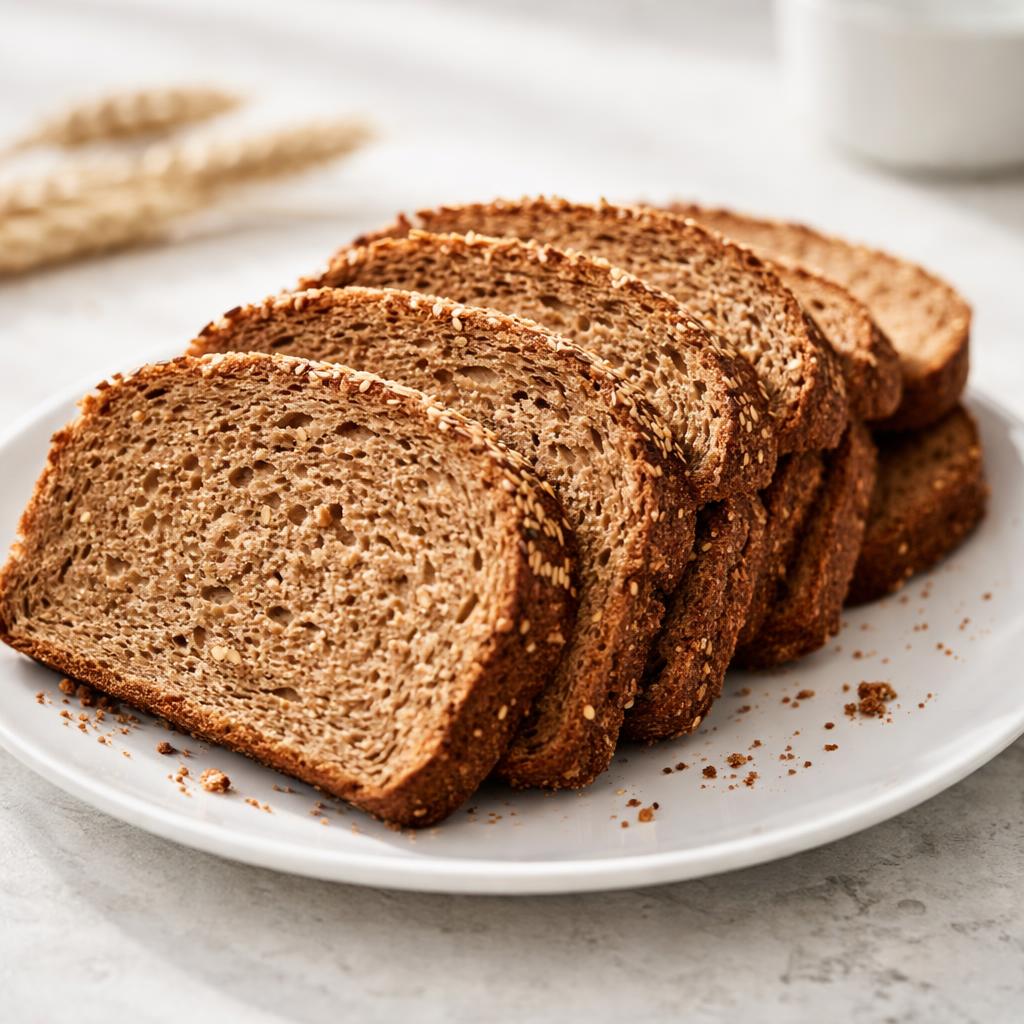
Brown Bread
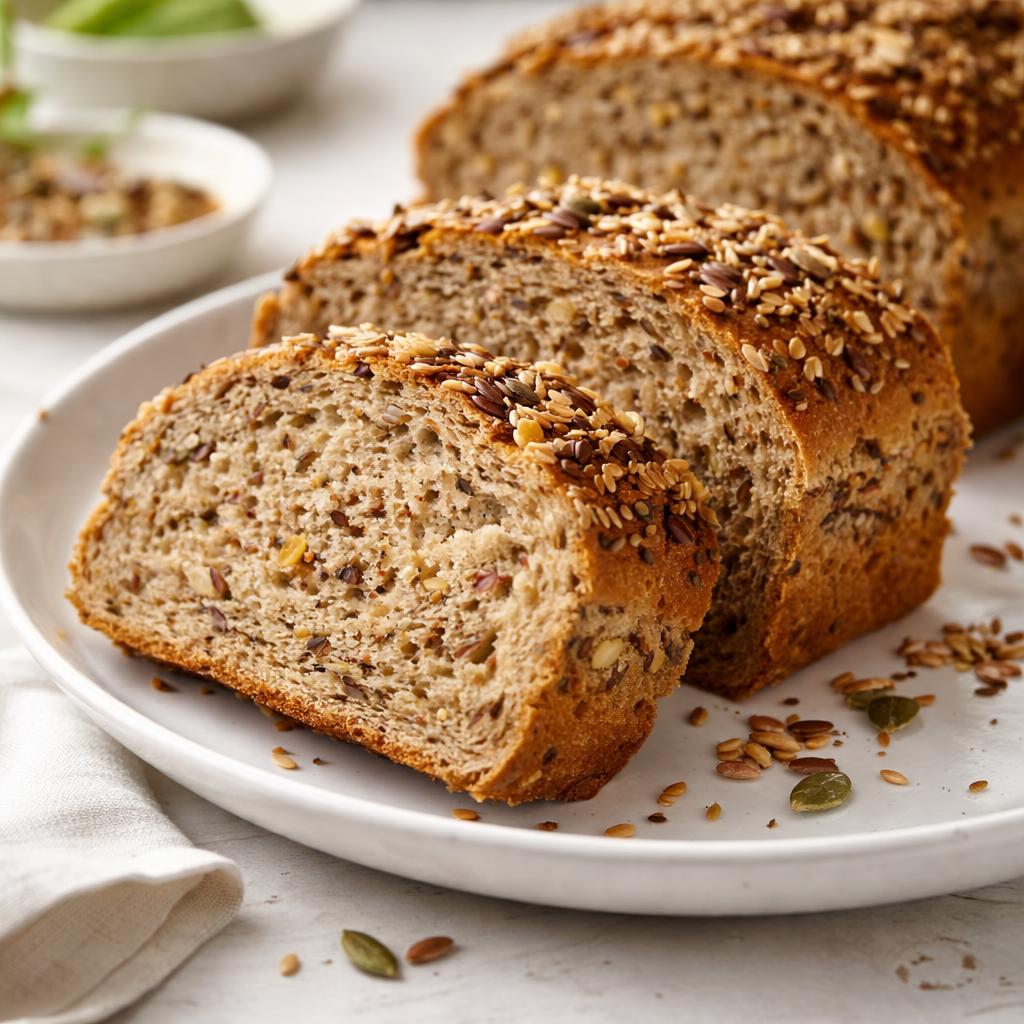
Seed Bread
🎯 Quick Verdict
Seed bread outperforms brown bread in protein and fiber content, while brown bread has fewer calories. Brown bread is a good option for calorie-conscious individuals, whereas seed bread is ideal for more nutrient-dense choices that support heart health and sustained energy levels.

Smart Nutrition Tracking with SnapCalorie

📊 Nutritional Comparison
Macronutrients
| Nutrient | Food 1 | Food 2 | Winner |
|---|---|---|---|
| Calories | 80 | 100 | ✓ |
| Protein | 4g | 6g | ✓ |
| Carbs | 14g | 12g | ✓ |
| Fat | 1g | 4g | ✓ |
| Fiber | 2g | 5g | ✓ |
Vitamins & Minerals
| Nutrient | Food 1 | Food 2 | Winner |
|---|---|---|---|
| Vitamin D | 0mcg | 0mcg | − |
| Calcium | 30mg | 50mg | ✓ |
| Iron | 1mg | 2mg | ✓ |
🏆 Category Winners
Protein
Seed bread provides 50% more protein per serving.
Fiber
Seed bread contains 150% more fiber, supporting digestive health.
Calories
Brown bread has 20% fewer calories than seed bread.
Vitamins
Seed bread is higher in calcium and iron, making it better for bone health and energy levels.
🥗 Diet Compatibility
Keto
Food 1: Not Compatible
Food 2: Not Compatible
Both foods contain moderate to high levels of carbohydrates.
Vegan
Food 1: Compatible
Food 2: Compatible
Both breads are plant-based options suitable for vegans.
Gluten Free
Food 1: Not Compatible
Food 2: Not Compatible
Neither brown bread nor seed bread is gluten-free.
Paleo
Food 1: Not Compatible
Food 2: Not Compatible
Neither bread adheres to paleo principles as both are grain-based.
Low-Carb
Food 1: Not Compatible
Food 2: Not Compatible
Both breads contain significant carbohydrates, making them unsuitable for low-carb diets.
💪 Health Benefits Comparison
Food 1 Benefits
- Lower in calories, ideal for weight management
- Rich in whole grains, supporting heart health
- Contains a moderate amount of fiber for digestion
Food 2 Benefits
- Higher protein content to support muscle maintenance
- Rich in seeds, providing healthy fats for heart health
- Significantly higher fiber content to aid digestion and promote satiety
- Enhanced calcium and iron levels for bone strength and energy
✅ The Bottom Line
Brown bread is a lighter option for those managing caloric intake, while seed bread is a nutrient-dense choice with more protein, fiber, and healthy fats. Choose brown bread for simplicity and lower calories, and opt for seed bread for sustained energy and better overall nutrition.
Choose Food 1 for: Weight management, basic healthy eating
Choose Food 2 for: Heart health, nutrient density, longer satiation


