Brown Bread VS Protein Pasta
A detailed nutritional comparison
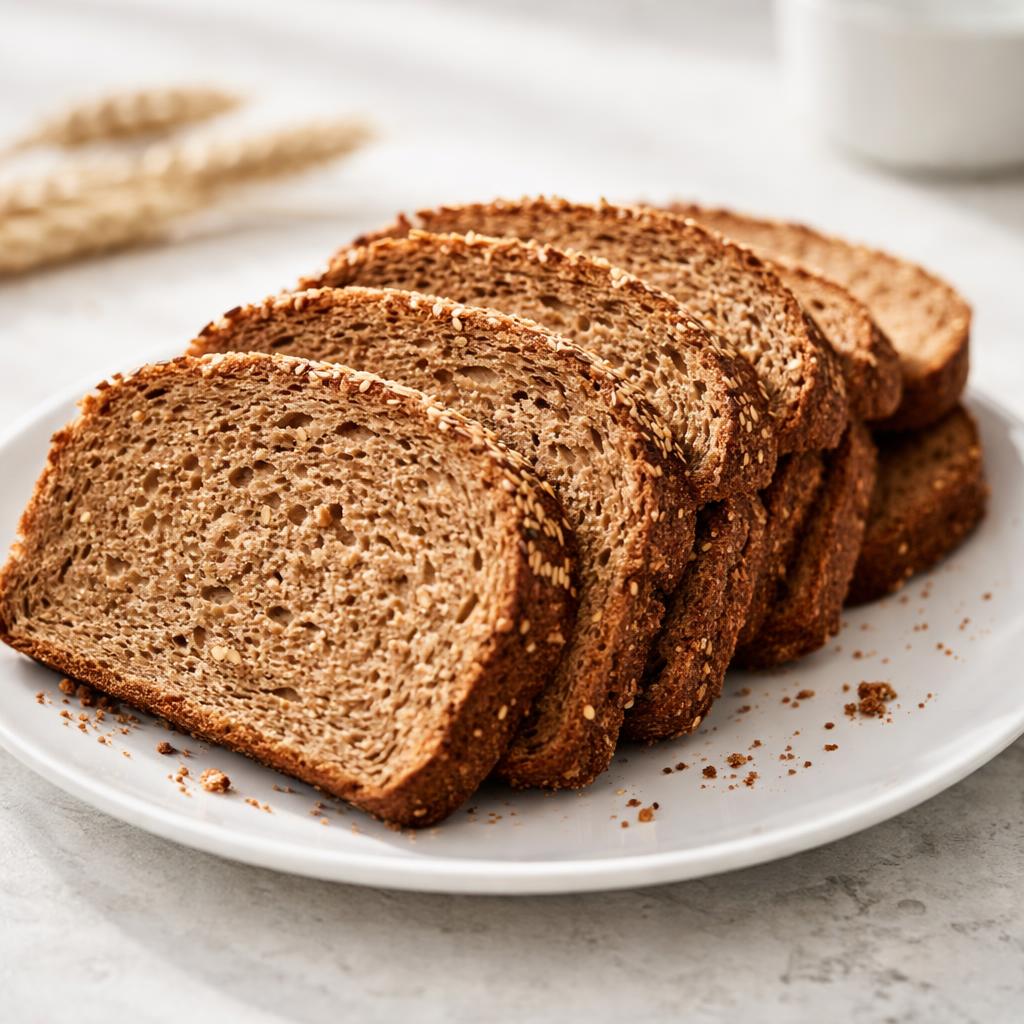
Brown Bread
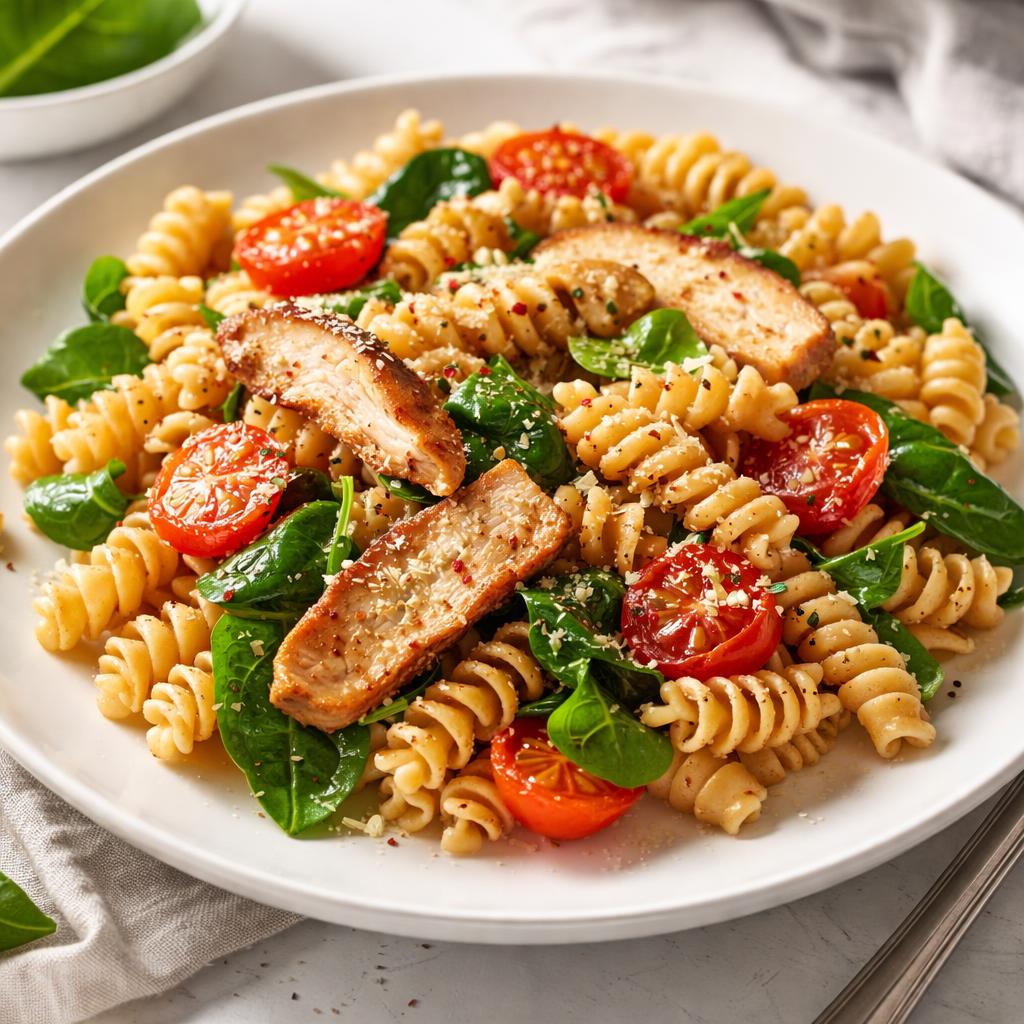
Protein Pasta
🎯 Quick Verdict
Protein pasta excels in protein content, making it ideal for muscle maintenance or recovery, while brown bread is lower in calories and provides slightly more fiber, supporting digestion. Brown bread suits weight management goals, while protein pasta is better for high-protein dietary plans or active lifestyles.

Smart Nutrition Tracking with SnapCalorie

📊 Nutritional Comparison
Macronutrients
| Nutrient | Food 1 | Food 2 | Winner |
|---|---|---|---|
| Calories | 80 per slice (40g) | 180 per serving (56g) | − |
| Protein | 3g | 15g | − |
| Carbs | 15g | 35g | − |
| Fat | 1g | 2g | − |
| Fiber | 2g | 1g | − |
Vitamins & Minerals
| Nutrient | Food 1 | Food 2 | Winner |
|---|---|---|---|
| Vitamin D | 0mcg | 0mcg | − |
| Calcium | 19mg | 20mg | − |
| Iron | 0.8mg | 1.5mg | − |
🏆 Category Winners
Protein
Protein pasta has 5x more protein per serving compared to brown bread.
Fiber
Brown bread contains twice the fiber content per serving compared to protein pasta.
Calories
Brown bread is lower in calories, making it suitable for weight management.
Vitamins
Protein pasta offers slightly higher levels of iron and calcium, contributing to better nutrient density.
🥗 Diet Compatibility
Keto
Food 1: Not Compatible
Food 2: Not Compatible
Both foods are high in carbs and not suitable for keto diets.
Vegan
Food 1: Compatible
Food 2: Compatible
Both are plant-based and free of animal products.
Gluten Free
Food 1: Not Compatible
Food 2: Some protein pastas may be gluten-free, check label
Brown bread contains gluten, while certain protein pastas (e.g., lentil-based) may be gluten-free.
Paleo
Food 1: Not Compatible
Food 2: Not Compatible
Both foods are processed and contain grains, making them unsuitable for paleo diets.
Low-Carb
Food 1: Not Compatible
Food 2: Not Compatible
Both foods are moderately high in carbs, exceeding typical low-carb thresholds.
💪 Health Benefits Comparison
Food 1 Benefits
- Rich in whole grains, supporting digestion
- Low in calories, suitable for weight management
- Provides fiber for heart health and satiety
Food 2 Benefits
- High protein content for muscle repair and maintenance
- Good source of iron for oxygen transport in the body
- Moderately high in complex carbs for sustained energy
✅ The Bottom Line
Choose brown bread for weight management or as a fiber-rich addition to meals. Opt for protein pasta if you are prioritizing protein intake for muscle maintenance or recovery, especially after workouts.
Choose Food 1 for: Weight loss, light meals, general digestion support
Choose Food 2 for: Active lifestyles, muscle recovery, high-protein diets


