Brown Bread VS Protein Bread
A detailed nutritional comparison
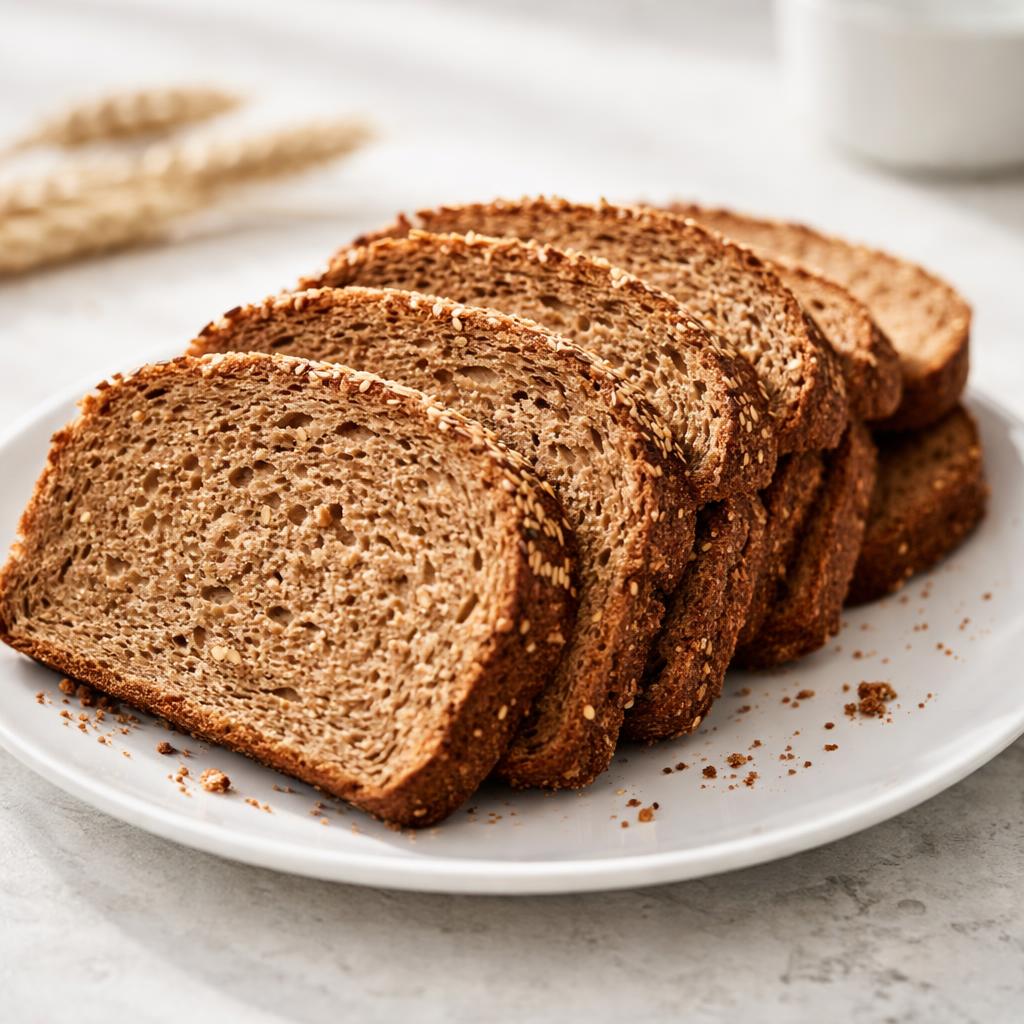
Brown Bread
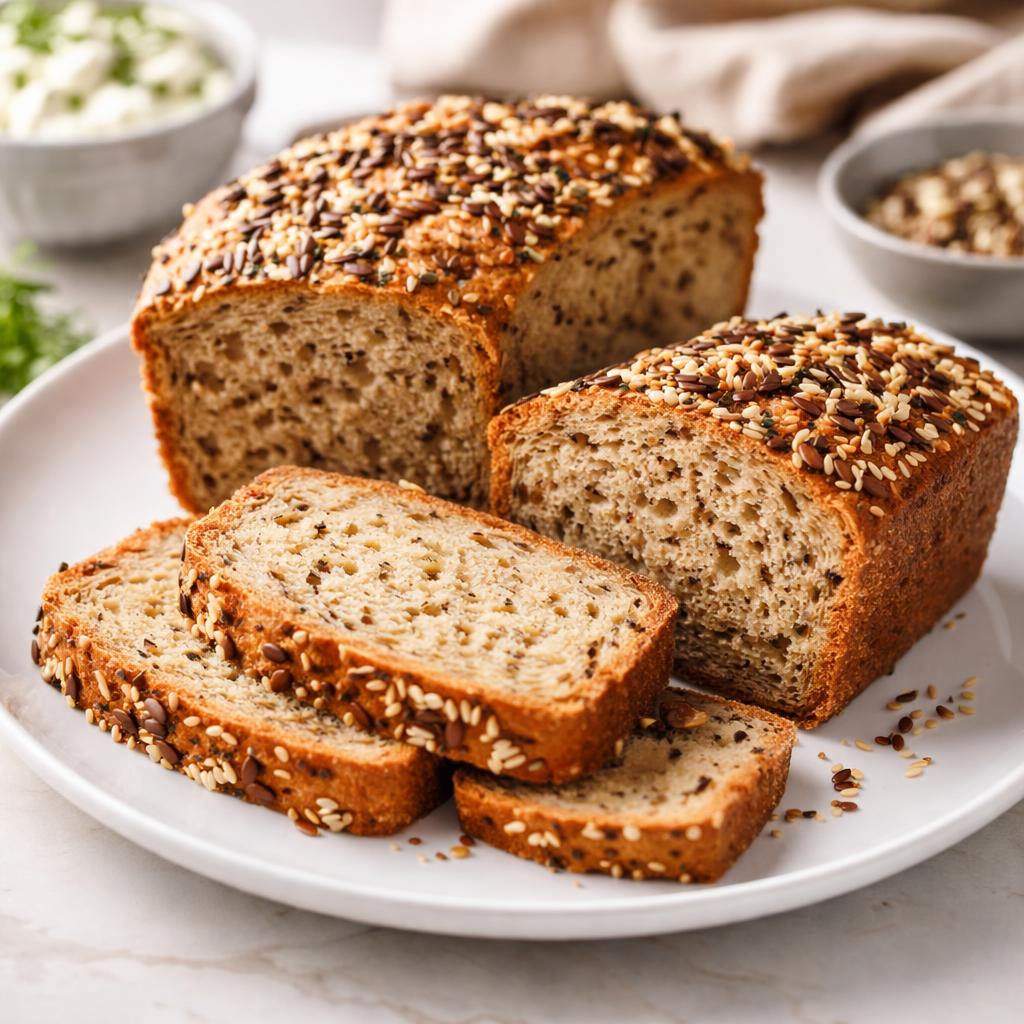
Protein Bread
🎯 Quick Verdict
Protein bread contains significantly more protein and fewer carbs than brown bread, making it great for high-protein diets or keto lifestyles. Brown bread, on the other hand, is higher in fiber and slightly richer in vitamins, making it ideal for digestive health and nutrient diversity. Both have similar calorie counts and are versatile options depending on dietary goals.

Smart Nutrition Tracking with SnapCalorie

📊 Nutritional Comparison
Macronutrients
| Nutrient | Food 1 | Food 2 | Winner |
|---|---|---|---|
| Calories | 90 | 90 | − |
| Protein | 4g | 14g | − |
| Carbs | 18g | 5g | − |
| Fat | 1g | 2.5g | − |
| Fiber | 2.5g | 1g | − |
Vitamins & Minerals
| Nutrient | Food 1 | Food 2 | Winner |
|---|---|---|---|
| Vitamin B6 | 0.1mg | 0.08mg | − |
| Iron | 0.8mg | 0.5mg | − |
| Magnesium | 30mg | 25mg | − |
🏆 Category Winners
Protein
Protein bread offers over 3x more protein (14g vs. 4g per serving).
Fiber
Brown bread contains 2.5g of fiber versus 1g in protein bread.
Calories
Both have similar calorie counts at 90 per serving.
Vitamins
Brown bread provides slightly more iron, magnesium, and vitamin B6 than protein bread.
🥗 Diet Compatibility
Keto
Food 1: Not Compatible
Food 2: Compatible
Protein bread is low-carb (5g per serving), while brown bread is high-carb (18g).
Vegan
Food 1: Compatible
Food 2: Depends
Brown bread is plant-based; protein bread may contain dairy (check label).
Gluten Free
Food 1: Not Compatible
Food 2: Not Compatible
Both are made with gluten-containing grains unless specified otherwise.
Paleo
Food 1: Not Compatible
Food 2: Not Compatible
Both contain grains, which are excluded under paleo guidelines.
Low-Carb
Food 1: Not Compatible
Food 2: Compatible
Protein bread aligns with low-carb goals due to its 5g of carbs per serving.
💪 Health Benefits Comparison
Food 1 Benefits
- Rich in dietary fiber for improved digestion
- Provides essential minerals like iron and magnesium
- Slow-release carbs for sustained energy
Food 2 Benefits
- High in protein, supporting muscle repair and maintenance
- Low-carb, suitable for weight loss and ketosis
- Contains healthy fats for satiety and sustained energy
✅ The Bottom Line
Choose protein bread for a high-protein, low-carb option, ideal for active lifestyles, weight loss, or keto diets. Opt for brown bread if you prioritize fiber, nutrient density, and support for digestive health. Both pair well with meals, but use based on your dietary focus.
Choose Food 1 for: High-fiber diets, sustaining energy levels, nutrient diversity
Choose Food 2 for: Low-carb diets, muscle building, keto-friendly meals


