Brown Bread VS Olive Bread
A detailed nutritional comparison
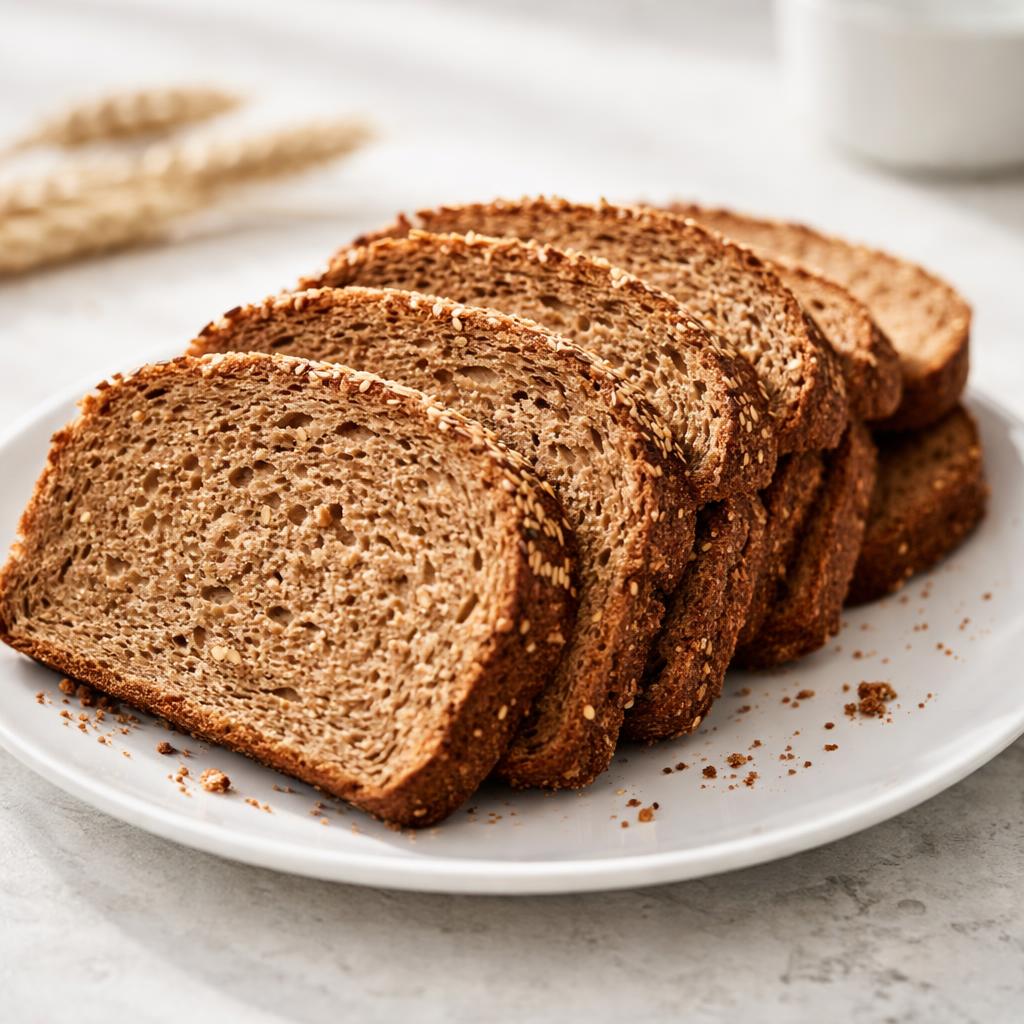
Brown Bread
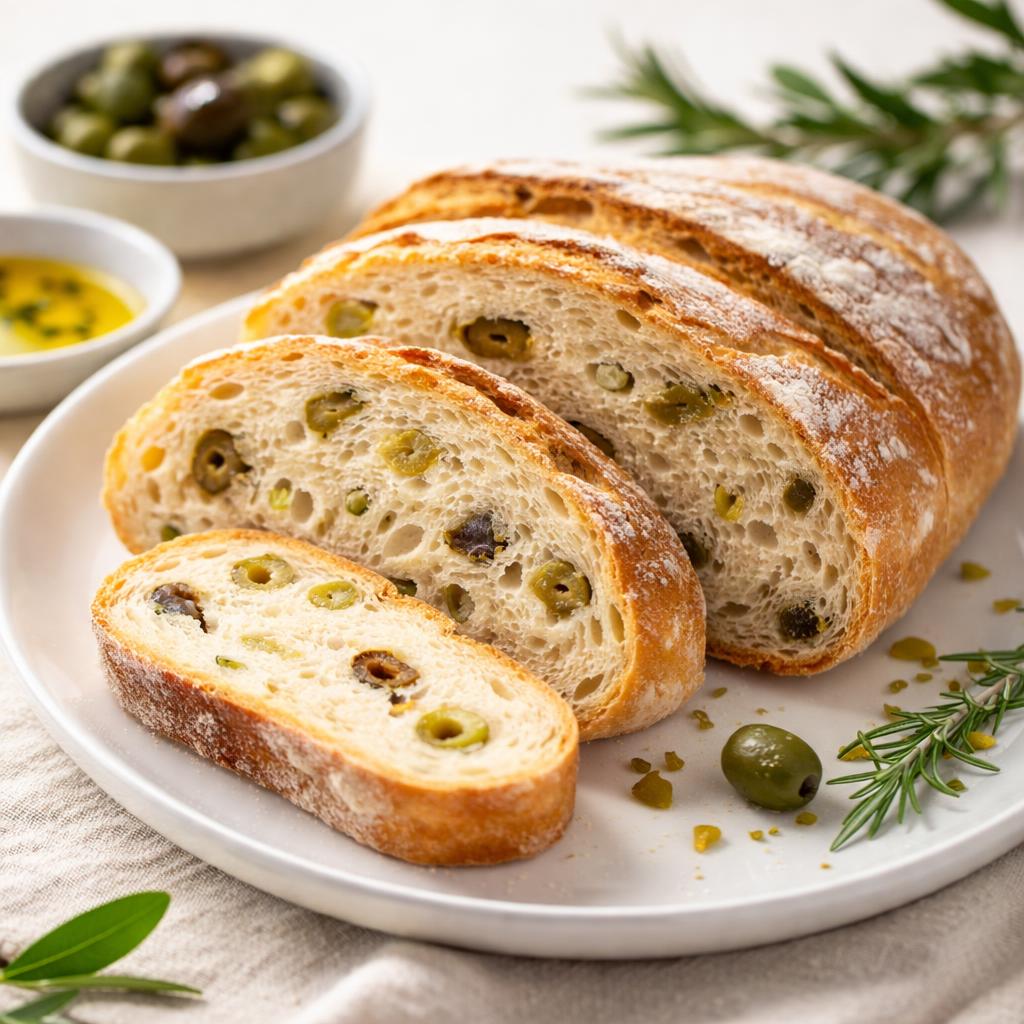
Olive Bread
🎯 Quick Verdict
Brown bread is a nutritionally richer option compared to olive bread, offering more protein, fiber, and fewer calories per serving. Olive bread shines in its heart-healthy unsaturated fat content due to the inclusion of olives. Brown bread is ideal for those aiming for a balanced, lower-calorie diet, while olive bread suits individuals seeking a flavorful bread with extra healthy fats.

Smart Nutrition Tracking with SnapCalorie

📊 Nutritional Comparison
Macronutrients
| Nutrient | Food 1 | Food 2 | Winner |
|---|---|---|---|
| Calories | 80 | 100 | ✓ |
| Protein | 4g | 3g | ✓ |
| Carbs | 15g | 17g | ✓ |
| Fat | 1g | 2.5g | ✓ |
| Fiber | 3.5g | 2g | ✓ |
Vitamins & Minerals
| Nutrient | Food 1 | Food 2 | Winner |
|---|---|---|---|
| Vitamin E | 0.2mg | 1mg | ✓ |
| Calcium | 50mg | 40mg | ✓ |
| Iron | 1.5mg | 1mg | ✓ |
🏆 Category Winners
Protein
Brown bread provides 33% more protein per serving.
Fiber
Brown bread offers nearly twice as much fiber as olive bread.
Calories
Brown bread contains 20% fewer calories per serving.
Vitamins
Olive bread's key advantage lies in vitamin E content from the olives.
🥗 Diet Compatibility
Keto
Food 1: Not Compatible
Food 2: Not Compatible
Neither bread is low in carbs.
Vegan
Food 1: Compatible
Food 2: Compatible
Both breads are free from animal-derived products unless honey is added.
Gluten Free
Food 1: Not Compatible
Food 2: Not Compatible
Both foods contain gluten.
Paleo
Food 1: Not Compatible
Food 2: Not Compatible
Breads are generally excluded due to grains in paleo diets.
Low-Carb
Food 1: Not Compatible
Food 2: Not Compatible
Both options exceed low-carb thresholds for most diets.
💪 Health Benefits Comparison
Food 1 Benefits
- High in fiber for improved digestion and satiety
- Lower calorie option for weight management
- Rich in iron for healthy blood production
Food 2 Benefits
- Contains heart-healthy fats from olives
- Provides vitamin E for skin and cell protection
- Flavorful and nutrient-dense option for increased variety in meals
✅ The Bottom Line
Brown bread is the better choice for those seeking a higher-fiber and lower-calorie option, ideal for weight management and balanced nutrition. Olive bread, while slightly less nutrient-dense, provides unique flavor and healthy fats, making it a good pick for those prioritizing heart health and enhanced taste.
Choose Food 1 for: Weight management, high-fiber diets, daily staple
Choose Food 2 for: Heart health, flavorful bread options, Mediterranean-style meals


