Brown Bread VS Multigrain Bread
A detailed nutritional comparison
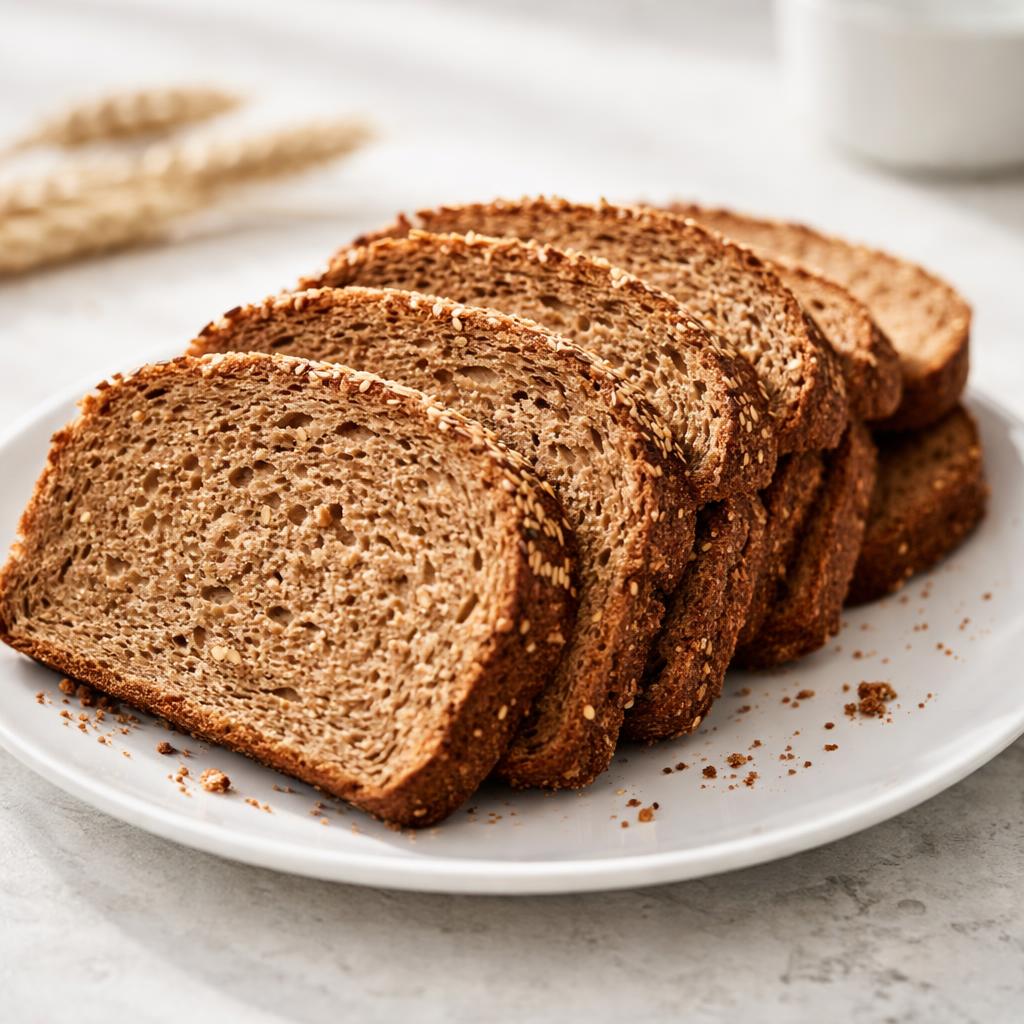
Brown Bread
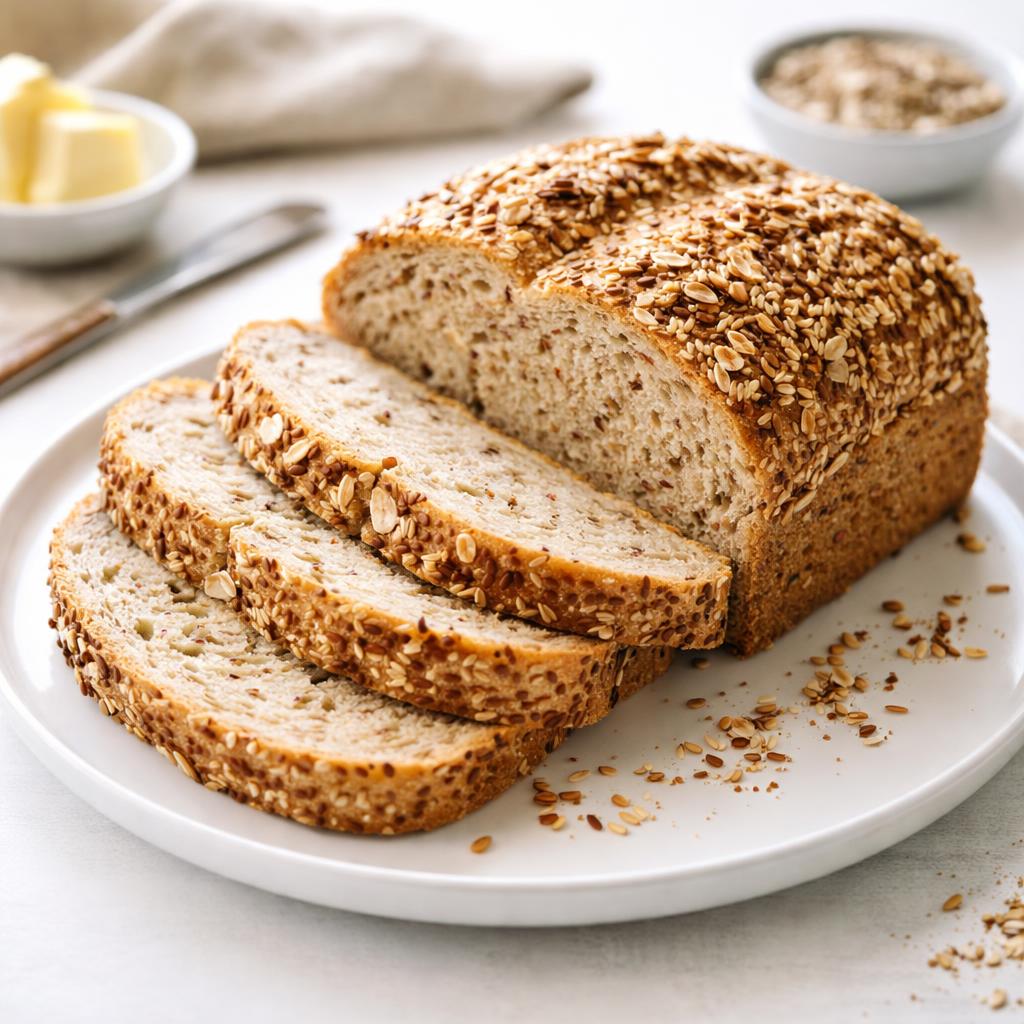
Multigrain Bread
🎯 Quick Verdict
Multigrain bread offers more protein (5g vs 3.5g per slice) and fiber (3g vs 2g per slice) compared to brown bread, making it slightly more nutritious overall. Brown bread is still a good choice, being comparable in calories and suitable for simpler dietary needs. Multigrain bread is ideal for boosting nutrient intake, while brown bread is a solid basic option for everyday use.

Smart Nutrition Tracking with SnapCalorie

📊 Nutritional Comparison
Macronutrients
| Nutrient | Food 1 | Food 2 | Winner |
|---|---|---|---|
| Calories | 80 | 80 | − |
| Protein | 3.5g | 5g | − |
| Carbs | 15g | 14g | − |
| Fat | 1g | 1.5g | − |
| Fiber | 2g | 3g | − |
Vitamins & Minerals
| Nutrient | Food 1 | Food 2 | Winner |
|---|---|---|---|
| Vitamin B6 | 0.05mg | 0.07mg | − |
| Folate | 35mcg | 45mcg | − |
| Iron | 0.9mg | 1.1mg | − |
🏆 Category Winners
Protein
Multigrain bread provides 43% more protein per slice.
Fiber
Multigrain bread has 50% more fiber.
Calories
Both breads are calorie-equivalent (~80 calories per slice).
Vitamins
Multigrain bread has higher levels of Vitamin B6, Folate, and Iron.
🥗 Diet Compatibility
Keto
Food 1: Not Compatible
Food 2: Not Compatible
Both are high in carbohydrates and unsuitable for keto diets.
Vegan
Food 1: Compatible
Food 2: Compatible
Neither contains animal products.
Gluten Free
Food 1: Not Compatible
Food 2: Not Compatible
Both contain gluten from wheat.
Paleo
Food 1: Not Compatible
Food 2: Not Compatible
Both are made from grains, which are not paleo-friendly.
Low Carb
Food 1: Not Compatible
Food 2: Not Compatible
Both contain ~15g carbs per slice, which is too high for low-carb diets.
💪 Health Benefits Comparison
Food 1 Benefits
- Good source of dietary fiber for improved digestion
- Contains essential B vitamins for energy production
- Low in fat, suitable for heart health
Food 2 Benefits
- Higher protein content supports muscle repair and growth
- Rich in fiber for better gut health
- Contains a mix of seeds and grains for added minerals and antioxidants
✅ The Bottom Line
Brown bread is a basic, affordable option for general health needs and simple meals, while multigrain bread provides more nutrients with its higher protein, fiber, and vitamin content. Choose brown bread for affordability and simplicity, and multigrain for added health benefits and nutrient density.
Choose Food 1 for: Budget-conscious diets, routine meals, basic nutrition
Choose Food 2 for: Active lifestyles, nutrient boost, gut health


