Brown Bread VS Ciabatta Bread
A detailed nutritional comparison
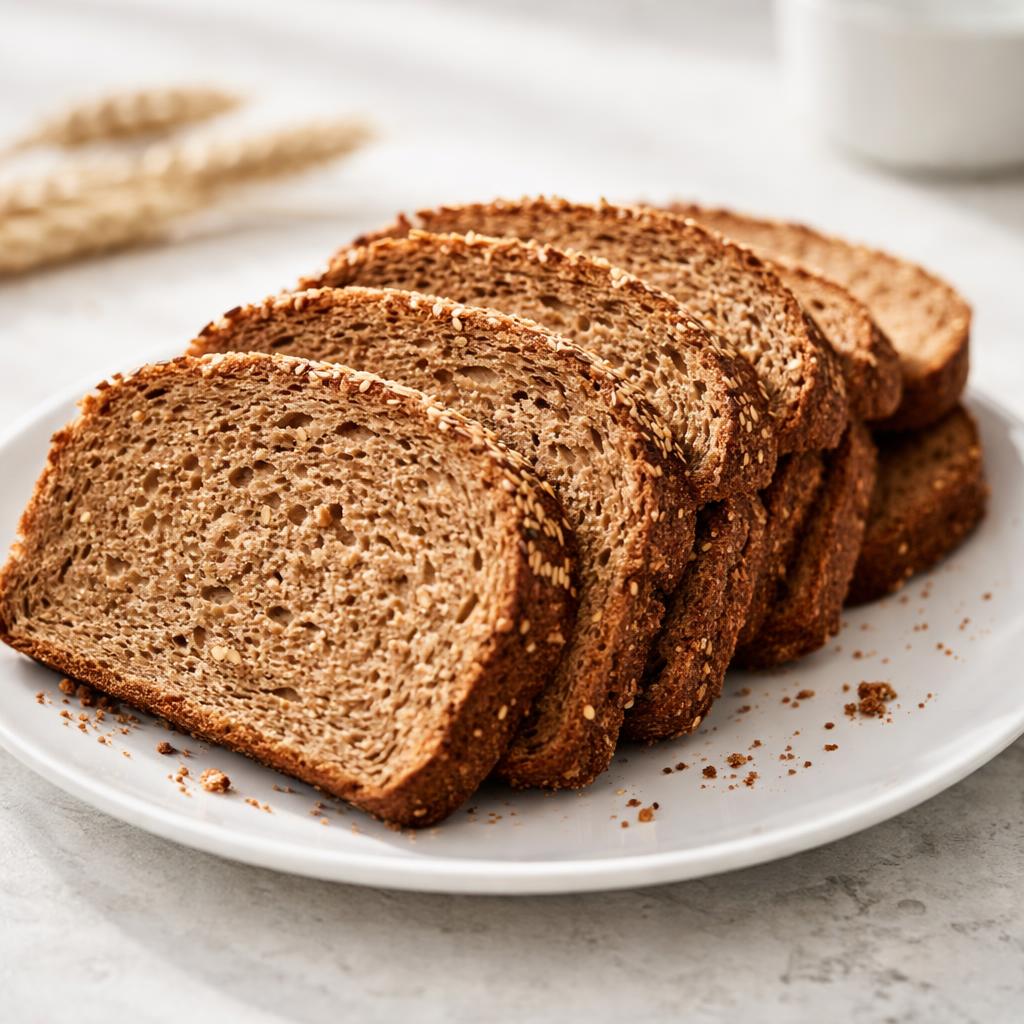
Brown Bread

Ciabatta Bread
🎯 Quick Verdict
Brown bread outperforms ciabatta bread in terms of nutritional density, offering higher protein, fiber, and fewer calories per serving. Ciabatta bread is lighter in texture and contains more carbohydrates, making it ideal for quick energy but less suitable for weight loss or high-fiber diets.

Smart Nutrition Tracking with SnapCalorie

📊 Nutritional Comparison
Macronutrients
| Nutrient | Food 1 | Food 2 | Winner |
|---|---|---|---|
| Calories | 80 | 120 | ✓ |
| Protein | 3g | 2.5g | ✓ |
| Carbs | 15g | 22g | ✓ |
| Fat | 0.8g | 2g | ✓ |
| Fiber | 2g | 0.5g | ✓ |
Vitamins & Minerals
| Nutrient | Food 1 | Food 2 | Winner |
|---|---|---|---|
| Vitamin D | 0mcg | 0mcg | − |
| Calcium | 40mg | 20mg | ✓ |
| Iron | 0.7mg | 0.3mg | ✓ |
🏆 Category Winners
Protein
Brown bread has 20% more protein per serving.
Fiber
Brown bread contains 4 times more fiber, supporting better digestion.
Calories
Brown bread has 33% fewer calories per serving compared to ciabatta bread.
Vitamins
Brown bread has slightly higher calcium and iron content.
🥗 Diet Compatibility
Keto
Food 1: Not Compatible
Food 2: Not Compatible
Both are high in carbs and not suitable for keto diets.
Vegan
Food 1: Compatible
Food 2: Compatible
Both breads are plant-based, assuming no dairy or egg additives.
Gluten Free
Food 1: Not Compatible
Food 2: Not Compatible
Both contain gluten unless a gluten-free version is used.
Paleo
Food 1: Not Compatible
Food 2: Not Compatible
Neither food fits the paleo diet due to processed grains.
Low-Carb
Food 1: Not Compatible
Food 2: Not Compatible
Both breads contain significant carbohydrates.
💪 Health Benefits Comparison
Food 1 Benefits
- Higher fiber content supports gut health and digestion.
- Lower calorie count makes it suitable for weight management.
- Contains more iron for improved oxygen transport.
Food 2 Benefits
- Rich in carbohydrates, offering quick energy for physical activity.
- Lighter texture makes it enjoyable for pairing with soups or spreads.
- Contains healthy fats, depending on preparation method, for heart health.
✅ The Bottom Line
Brown bread is the healthier choice for most diets due to its higher fiber, lower calorie, and higher protein profile. Ciabatta bread, while lighter and tastier, is better suited for individuals needing quick energy or prefer a softer texture.
Choose Food 1 for: Weight management, digestive health, balanced meals
Choose Food 2 for: Quick energy boost, pairing with meals, lighter bread option


