Brown Bread VS Buttered Bread
A detailed nutritional comparison
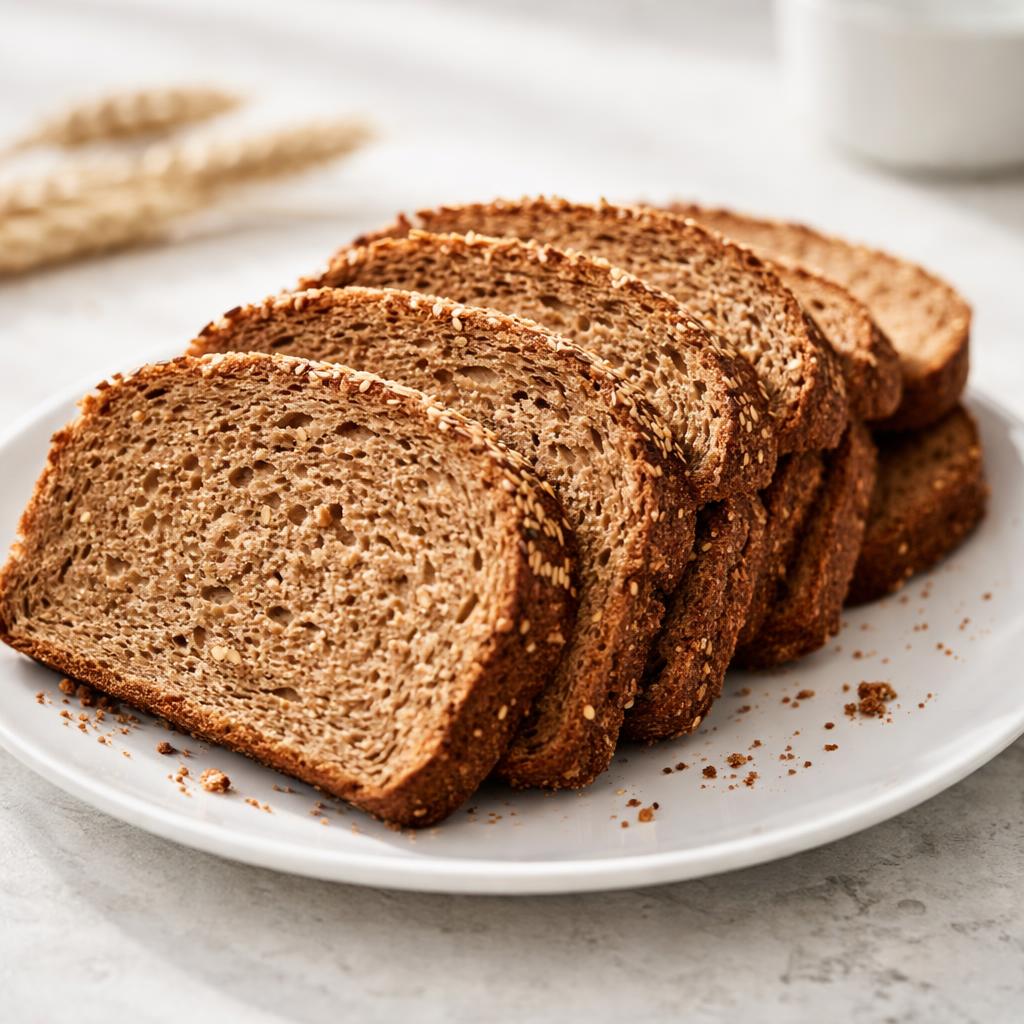
Brown Bread

Buttered Bread
🎯 Quick Verdict
Brown bread is healthier overall, offering more protein, fiber, and fewer calories compared to buttered bread, which is higher in fat and calories due to the addition of butter. Brown bread is great for weight management and sustained energy, while buttered bread suits occasional indulgence or energy needs.

Smart Nutrition Tracking with SnapCalorie

📊 Nutritional Comparison
Macronutrients
| Nutrient | Food 1 | Food 2 | Winner |
|---|---|---|---|
| Calories | 75 per slice | 125 per slice | ✓ |
| Protein | 3g per slice | 2g per slice | ✓ |
| Carbs | 14g per slice | 14g per slice | − |
| Fat | 1g per slice | 6g per slice | ✓ |
| Fiber | 2g per slice | 0.5g per slice | ✓ |
Vitamins & Minerals
| Nutrient | Food 1 | Food 2 | Winner |
|---|---|---|---|
| Vitamin D | 0mcg | 0mcg | − |
| Calcium | 30mg per slice | 20mg per slice | ✓ |
| Iron | 0.5mg per slice | 0.3mg per slice | ✓ |
🏆 Category Winners
Protein
Brown bread has 50% more protein per slice.
Fiber
Brown bread has four times the fiber per slice compared to buttered bread.
Calories
Brown bread has 40% fewer calories per serving.
Vitamins
Brown bread has slightly higher calcium and iron content.
🥗 Diet Compatibility
Keto
Food 1: Not Compatible
Food 2: Not Compatible
Both foods are high in carbs, making them unsuitable for keto diets.
Vegan
Food 1: Compatible
Food 2: Not Compatible
Brown bread is plant-based, while buttered bread includes dairy-based butter.
Gluten Free
Food 1: Not Compatible
Food 2: Not Compatible
Both foods contain gluten from wheat.
Paleo
Food 1: Not Compatible
Food 2: Not Compatible
Both foods contain grains, which are excluded from paleo diets.
Low-Carb
Food 1: Not Compatible
Food 2: Not Compatible
Both foods are relatively high in carbohydrates per serving.
💪 Health Benefits Comparison
Food 1 Benefits
- Rich in dietary fiber, supporting digestive health
- Provides sustained energy from complex carbohydrates
- Lower calorie option for weight management
- Contains small amounts of essential nutrients like iron and calcium
Food 2 Benefits
- Higher fat content, providing quick energy
- Improved taste and palatability for occasional indulgence
- Small amount of vitamin A from butter
- May help meet calorie needs for those with high energy requirements
✅ The Bottom Line
Brown bread is the better choice for nutrient density, weight management, and overall health goals due to its higher fiber, protein, and lower calorie content. Buttered bread may suit those seeking added indulgence, a quick calorie boost, or occasional enjoyment. Choose based on dietary goals and lifestyle needs.
Choose Food 1 for: Weight management, sustained energy, digestive health
Choose Food 2 for: Calorie boost, indulgence, flavor enhancement


