Brown Bread VS Bread Bun
A detailed nutritional comparison
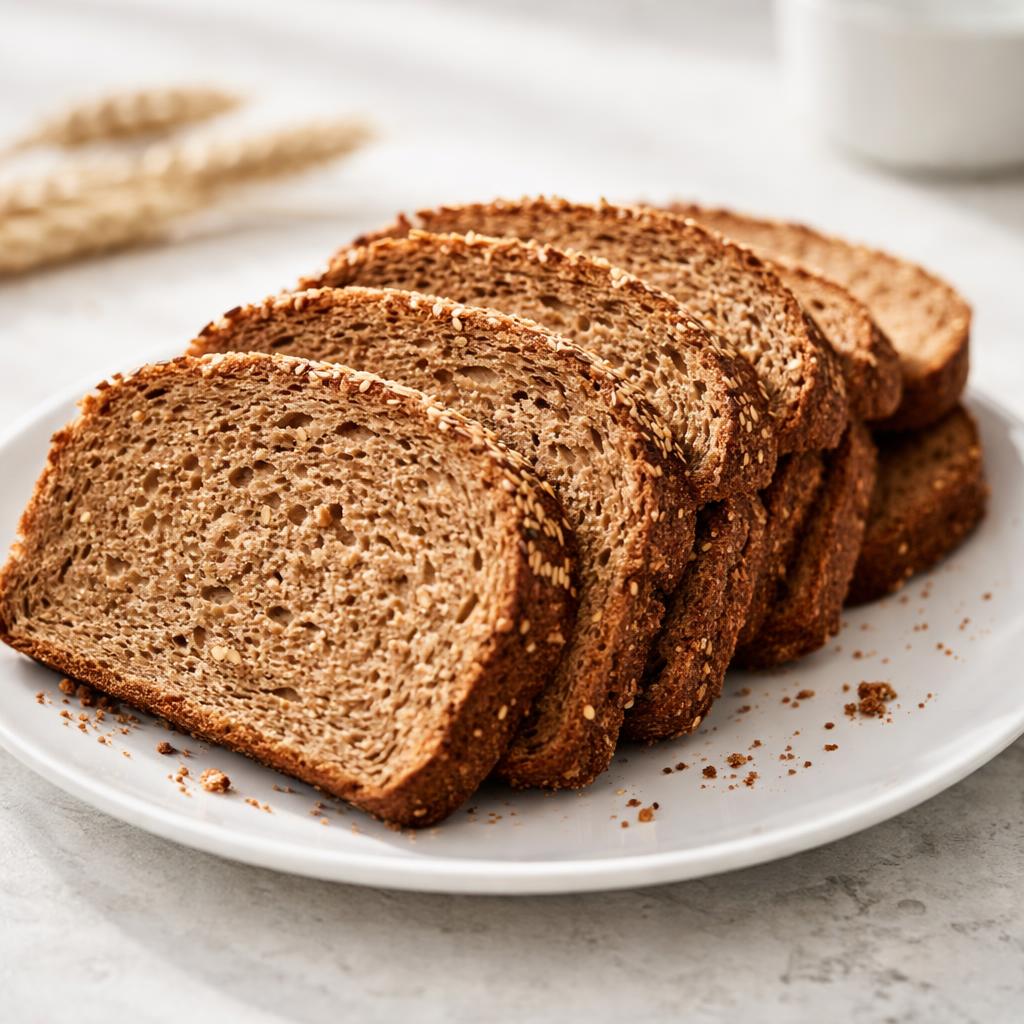
Brown Bread

Bread Bun
🎯 Quick Verdict
Brown bread has a more favorable nutrient profile compared to bread buns, offering higher protein, fiber, and lower calories. Bread buns are calorie-dense and typically less nutritious, making brown bread the better choice for weight management and overall health benefits, while bread buns may appeal for indulgence or occasional treats.

Smart Nutrition Tracking with SnapCalorie

📊 Nutritional Comparison
Macronutrients
| Nutrient | Food 1 | Food 2 | Winner |
|---|---|---|---|
| Calories | 80 per slice (40g) | 150 per bun (60g) | ✓ |
| Protein | 3.3g | 2.4g | ✓ |
| Carbs | 15g | 28g | ✓ |
| Fat | 1g | 3g | ✓ |
| Fiber | 2g | 0.8g | ✓ |
Vitamins & Minerals
| Nutrient | Food 1 | Food 2 | Winner |
|---|---|---|---|
| Vitamin B6 | 0.03mg | 0.01mg | ✓ |
| Iron | 1mg | 0.5mg | ✓ |
| Calcium | 50mg | 20mg | ✓ |
🏆 Category Winners
Protein
Brown bread contains 38% more protein per serving.
Fiber
Brown bread has 150% more fiber, aiding digestion and satiety.
Calories
Brown bread is 47% lower in calories.
Vitamins
Brown bread offers higher amounts of vitamin B6, iron, and calcium.
🥗 Diet Compatibility
Keto
Food 1: Not Compatible
Food 2: Not Compatible
Both are high in carbs, unsuitable for keto diets.
Vegan
Food 1: Compatible
Food 2: Compatible
Both are plant-based options.
Gluten Free
Food 1: Not Compatible
Food 2: Not Compatible
Both contain gluten from wheat.
Paleo
Food 1: Not Compatible
Food 2: Not Compatible
Neither fits paleo principles due to processed grains.
Low Carb
Food 1: Partially Compatible
Food 2: Not Compatible
Brown bread has fewer carbs but still not low-carb enough for strict plans.
💪 Health Benefits Comparison
Food 1 Benefits
- Higher in dietary fiber to support healthy digestion
- Contains more protein for muscle repair and maintenance
- Provides iron for red blood cell production
- Lower calorie option for weight management
Food 2 Benefits
- Soft texture appeals for indulgent meals or sandwiches
- Provides quick energy from higher carbohydrate content
- Contains some calcium, supporting bone health
- Suitable for occasional treats or moderate portions
✅ The Bottom Line
Brown bread is a healthier and more nutrient-dense option, suitable for those aiming to manage weight, improve digestion, and incorporate more protein into their diet. Bread buns are best for occasional consumption when taste or indulgence is prioritized over nutritional value.
Choose Food 1 for: Weight management, digestion, balanced meals
Choose Food 2 for: Occasional treats, indulgent sandwiches, higher energy needs


