Broccoli VS Udon Noodles
A detailed nutritional comparison
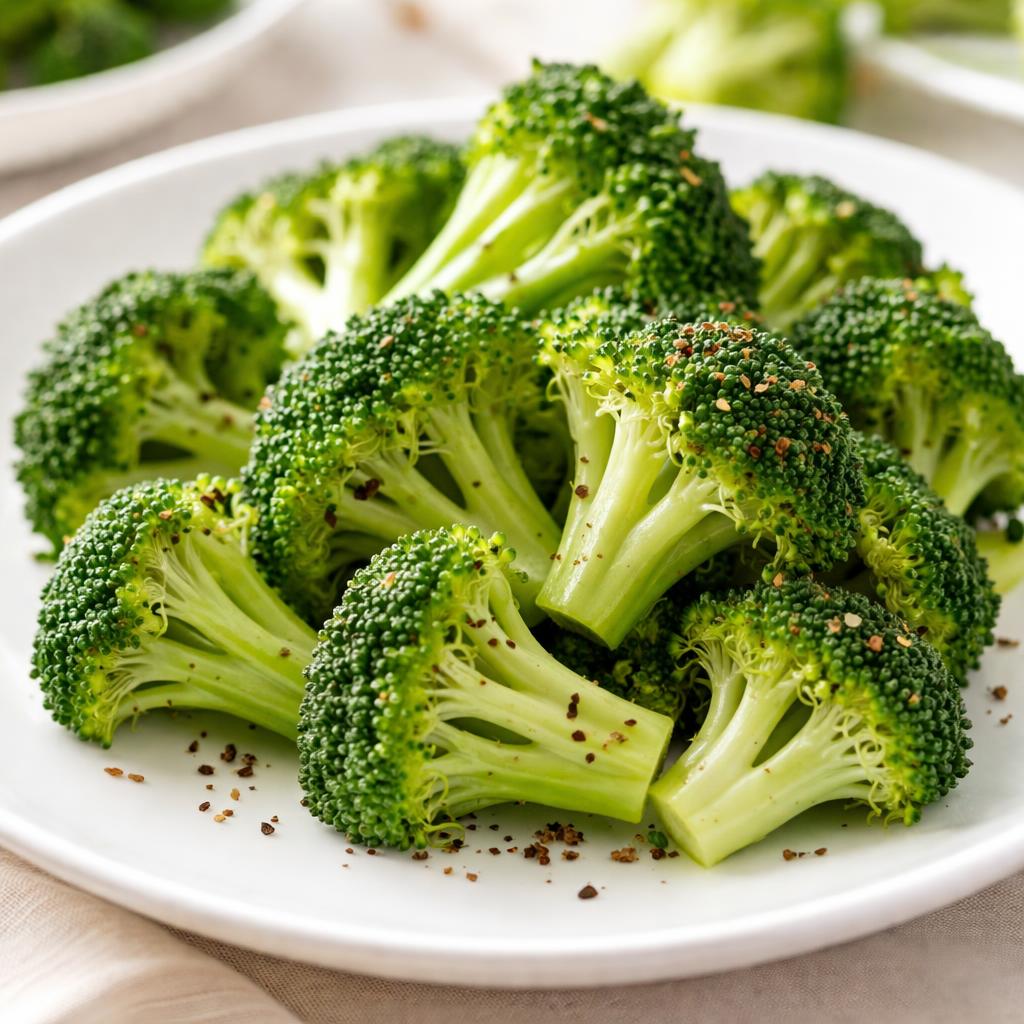
Broccoli
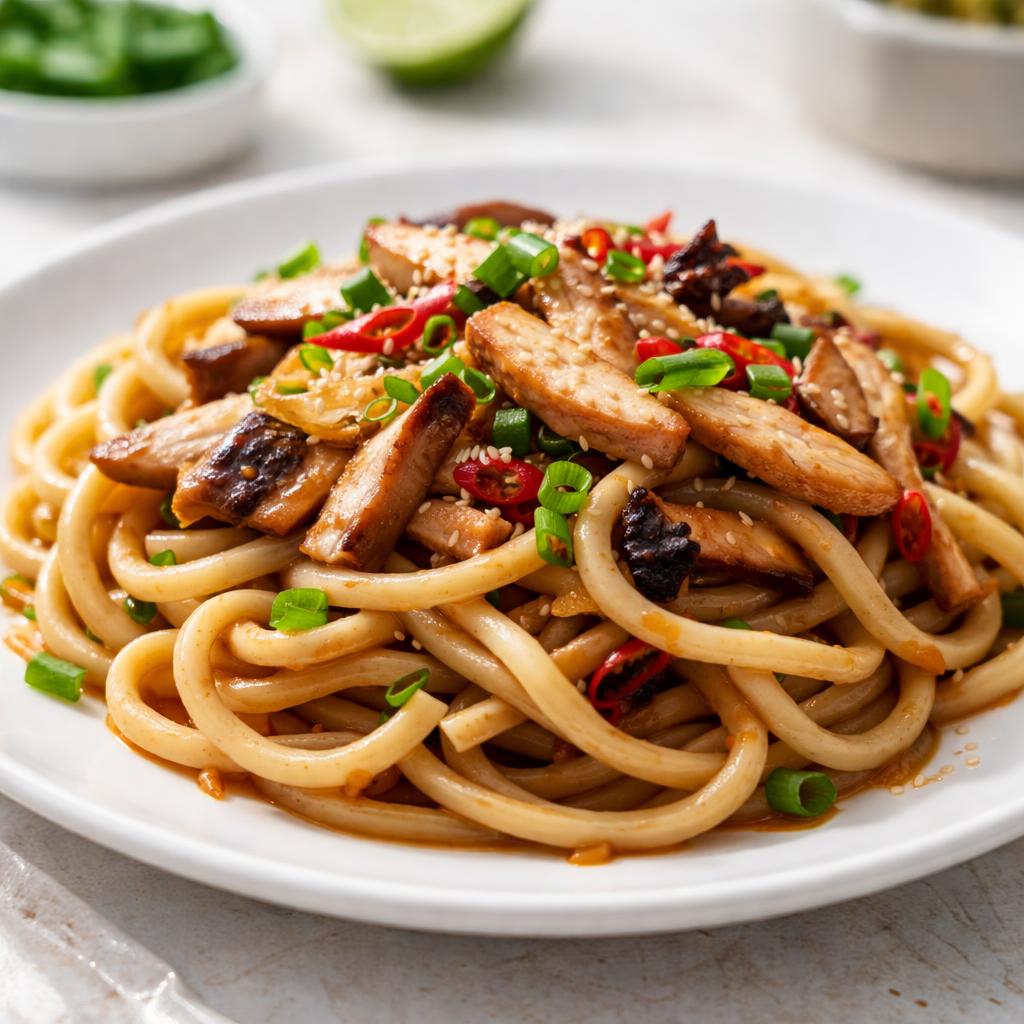
Udon Noodles
🎯 Quick Verdict
Broccoli is nutrient-dense and lower in calories, offering higher protein (2.6g vs 7.5g per serving) and fiber than udon noodles. Udon noodles, however, provide higher energy due to their carb content, making them ideal for sustained energy. Broccoli is better for weight management and nutrient density, while noodles are better for a quick source of energy.

Smart Nutrition Tracking with SnapCalorie

📊 Nutritional Comparison
Macronutrients
| Nutrient | Food 1 | Food 2 | Winner |
|---|---|---|---|
| Calories | 55 (per cup, chopped) | 200 (per cup, cooked) | ✓ |
| Protein | 2.6g | 7.5g | ✓ |
| Carbs | 10.7g | 39g | ✓ |
| Fat | 0.3g | 0.5g | − |
| Fiber | 2.4g | 0.9g | ✓ |
Vitamins & Minerals
| Nutrient | Food 1 | Food 2 | Winner |
|---|---|---|---|
| Vitamin C | 81mg | 0mg | ✓ |
| Calcium | 43mg | 16mg | ✓ |
| Iron | 0.7mg | 0.4mg | ✓ |
🏆 Category Winners
Protein
Udon noodles have nearly 3 times the protein compared to broccoli.
Fiber
Broccoli has nearly 3 times the fiber, aiding digestion.
Calories
Broccoli is much lower in calories, making it ideal for weight management.
Vitamins
Broccoli is packed with vitamin C, calcium, and iron, unlike udon noodles.
🥗 Diet Compatibility
Keto
Food 1: Compatible
Food 2: Not Compatible
Broccoli is low-carb friendly (10.7g carbs per cup).
Vegan
Food 1: Compatible
Food 2: Compatible
Both are plant-based foods.
Gluten Free
Food 1: Compatible
Food 2: Not Compatible
Udon noodles contain wheat, which is not gluten-free.
Paleo
Food 1: Compatible
Food 2: Not Compatible
Broccoli aligns with paleo principles, while udon noodles are processed grains.
Low-Carb
Food 1: Compatible
Food 2: Not Compatible
Broccoli is lower in carbs, while udon noodles are high-carb.
💪 Health Benefits Comparison
Food 1 Benefits
- Rich in vitamin C for immune health
- High in fiber for digestive support
- Low in calories for weight management
- Contains calcium for bone health
Food 2 Benefits
- Source of quick energy due to high carbs
- Good protein level for muscle repair
- Contains small amounts of iron for oxygen transport
- Low-fat content
✅ The Bottom Line
Choose broccoli for nutrient density, weight management, and versatile use in low-calorie and paleo diets. Opt for udon noodles if you need a quick energy source or are seeking a higher protein addition to your meal. Pairing both together can offer a balanced meal combining nutrient-dense veggies with energy-boosting carbs.
Choose Food 1 for: Weight management, low-carb diets, vitamin support
Choose Food 2 for: Quick energy, higher protein intake


