Broccoli VS Snow Peas
A detailed nutritional comparison
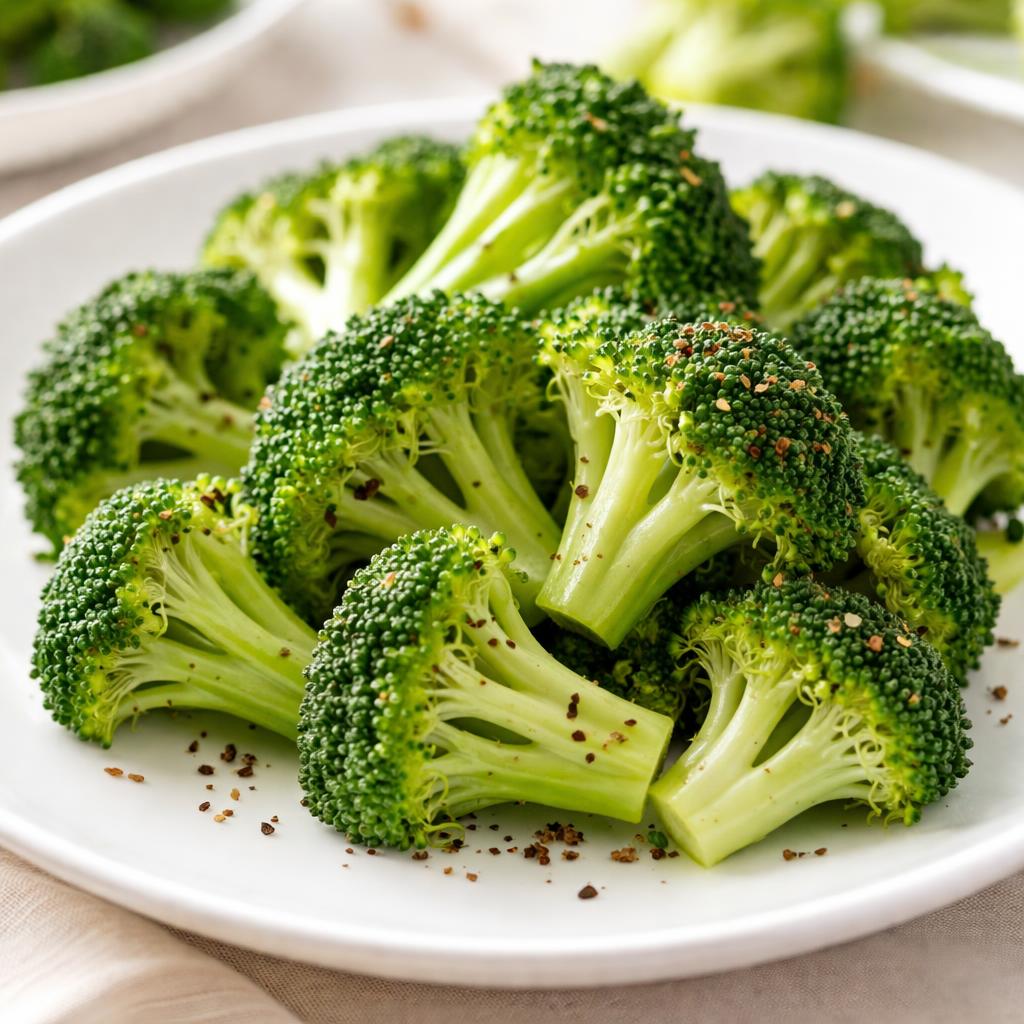
Broccoli
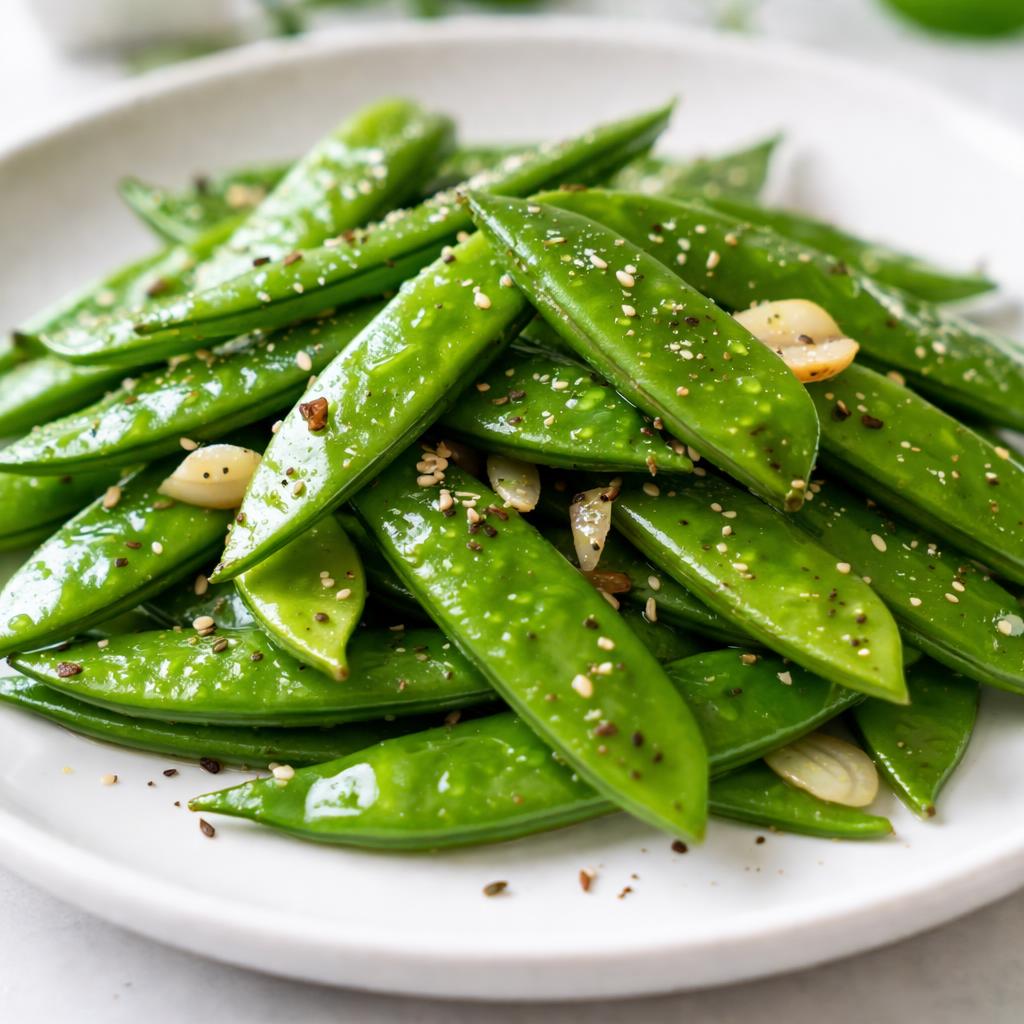
Snow Peas
🎯 Quick Verdict
Broccoli is richer in nutrients overall, offering more protein, fiber, and fewer calories compared to snow peas. Snow peas are slightly higher in carbohydrates but provide healthy antioxidants and sustained energy. Both foods are excellent choices for plant-based diets, with broccoli being especially suitable for weight loss and nutrient-dense meal planning while snow peas excel in providing quick energy and crunchiness for a balanced snack or meal addition.

Smart Nutrition Tracking with SnapCalorie

📊 Nutritional Comparison
Macronutrients
| Nutrient | Food 1 | Food 2 | Winner |
|---|---|---|---|
| Calories | 55 | 67 | ✓ |
| Protein | 4.5g | 4g | ✓ |
| Carbs | 11g | 12g | ✓ |
| Fat | 0.3g | 0.5g | ✓ |
| Fiber | 3.7g | 2.6g | ✓ |
Vitamins & Minerals
| Nutrient | Food 1 | Food 2 | Winner |
|---|---|---|---|
| Vitamin C | 89mg | 60mg | ✓ |
| Vitamin A | 623IU | 1080IU | ✓ |
| Calcium | 47mg | 43mg | ✓ |
| Iron | 0.7mg | 1.8mg | ✓ |
🏆 Category Winners
Protein
Broccoli has slightly higher protein content per serving.
Fiber
Broccoli contains about 40% more fiber than snow peas.
Calories
Broccoli has fewer calories per serving.
Vitamins
Broccoli excels in Vitamin C and Calcium while snow peas are richer in Vitamin A and Iron.
🥗 Diet Compatibility
Keto
Food 1: Compatible
Food 2: Compatible
Both are moderately low-carb options.
Vegan
Food 1: Compatible
Food 2: Compatible
Both are plant-based foods.
Gluten Free
Food 1: Compatible
Food 2: Compatible
Neither contains gluten.
Paleo
Food 1: Compatible
Food 2: Compatible
Both fit into paleo guidelines as whole, unprocessed foods.
Low-Carb
Food 1: Compatible
Food 2: Semi-Compatible
Broccoli is lower in carbs while snow peas have slightly higher carb content.
💪 Health Benefits Comparison
Food 1 Benefits
- Rich in Vitamin C, supporting immune health and skin repair
- High in fiber to enhance digestion and satiety
- Contains compounds like sulforaphane, which may fight inflammation and cancer
Food 2 Benefits
- Good source of antioxidants, particularly Vitamin A
- Provides iron for improved energy levels and healthy blood
- Crunchy and hydrating snack option with essential minerals
✅ The Bottom Line
Broccoli edges out snow peas nutritionally, offering lower calories, higher protein, and more fiber, making it great for weight loss and nutrient-dense meals. Snow peas, while slightly higher in carbohydrates, are a crunchy and antioxidant-rich choice perfect for snacking and quick energy boosts.
Choose Food 1 for: Weight loss, nutrient-dense meal prep, immune support
Choose Food 2 for: On-the-go snacking, antioxidant contribution, quick energy


