Broccoli VS Shrimp
A detailed nutritional comparison
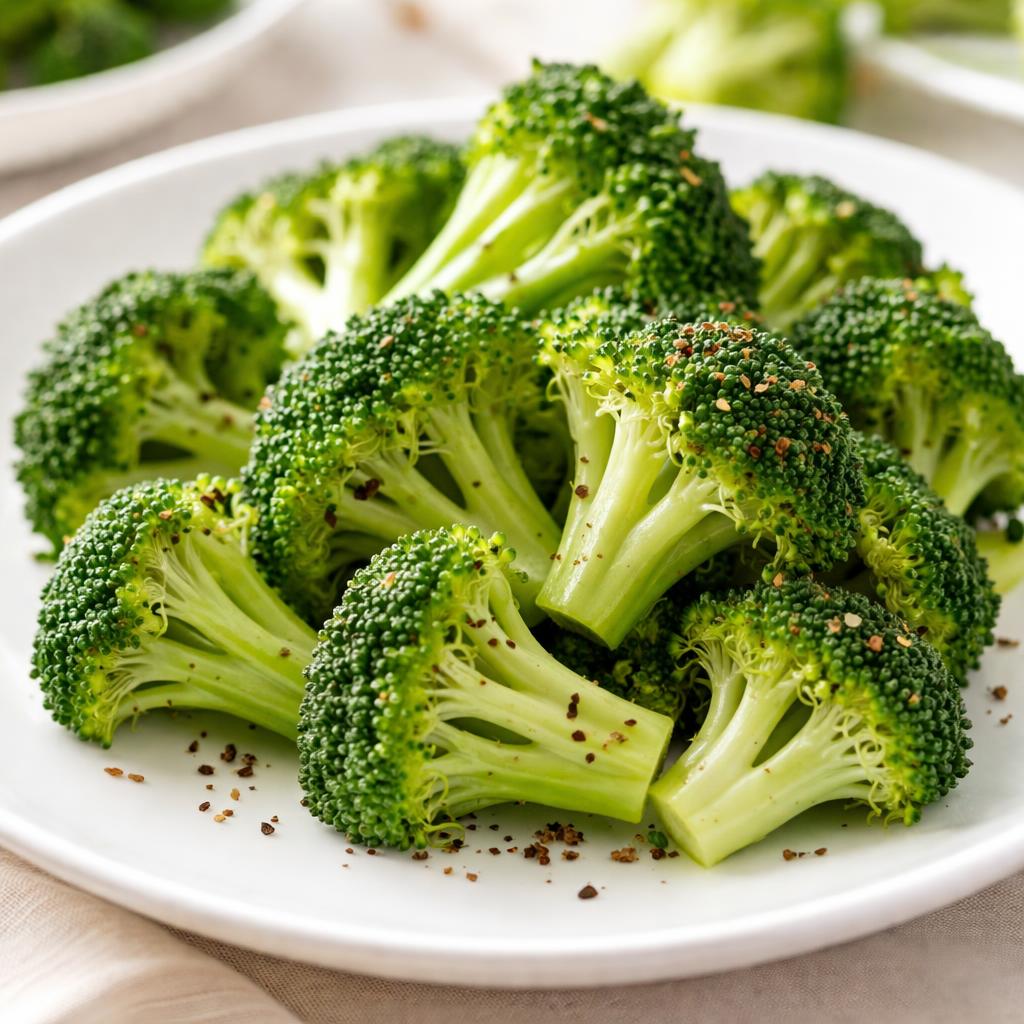
Broccoli
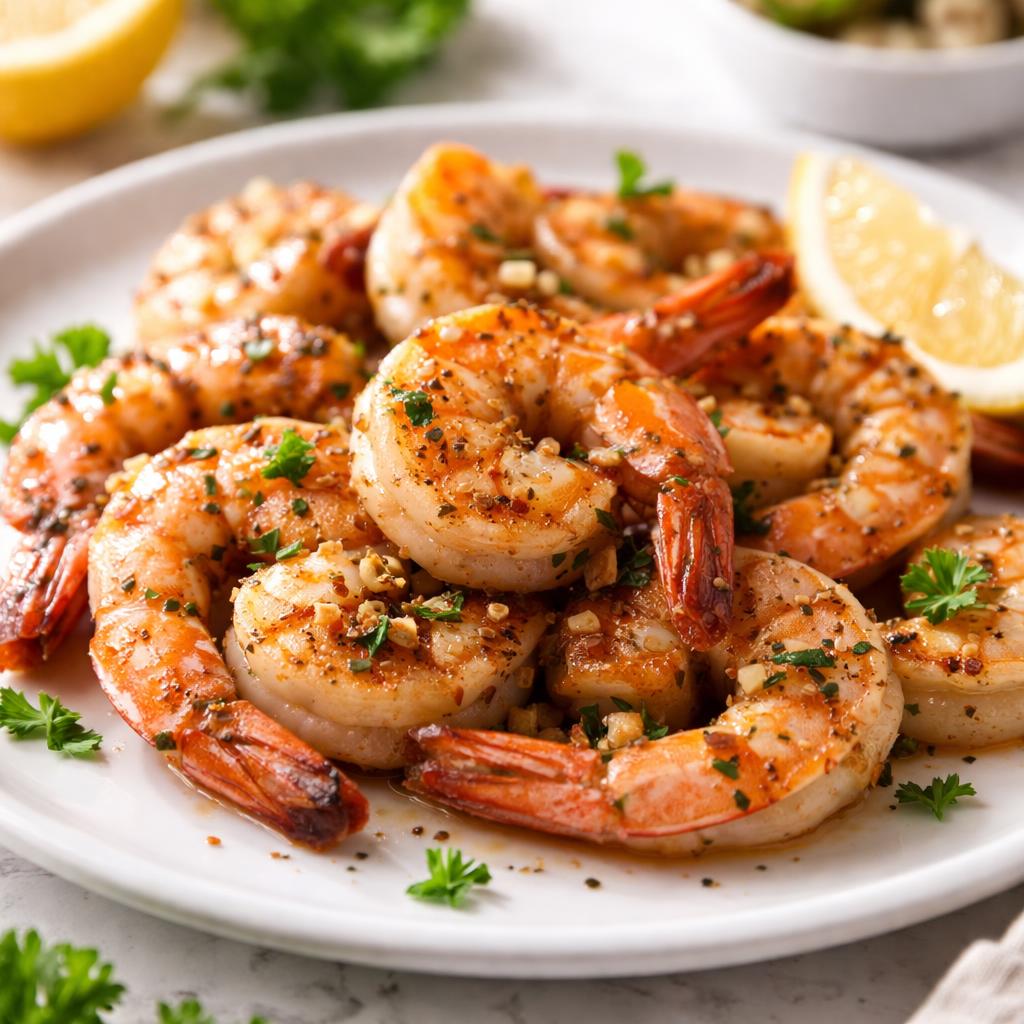
Shrimp
🎯 Quick Verdict
Broccoli and shrimp each offer distinct nutritional benefits. Broccoli is rich in fiber, vitamins, and is lower in calories, making it ideal for weight management. Shrimp is a high-protein, low-carb food with essential minerals, perfect for muscle growth and energy needs. Both can complement one another in a balanced meal plan.

Smart Nutrition Tracking with SnapCalorie

📊 Nutritional Comparison
Macronutrients
| Nutrient | Food 1 | Food 2 | Winner |
|---|---|---|---|
| Calories | 55 (per 100g) | 99 (per 100g) | ✓ |
| Protein | 3.7g | 24g | ✓ |
| Carbs | 11g | 0g | ✓ |
| Fat | 0.3g | 0.3g | − |
| Fiber | 2.6g | 0g | ✓ |
Vitamins & Minerals
| Nutrient | Food 1 | Food 2 | Winner |
|---|---|---|---|
| Vitamin C | 89.2mg | 0mg | ✓ |
| Vitamin D | 0mcg | 3mcg | ✓ |
| Calcium | 47mg | 70mg | ✓ |
| Iron | 0.73mg | 0.21mg | ✓ |
🏆 Category Winners
Protein
Shrimp contains six times more protein per 100g compared to broccoli.
Fiber
Broccoli provides 2.6g of fiber per serving, while shrimp has none.
Calories
Broccoli has significantly fewer calories than shrimp.
Vitamins
Broccoli is packed with vitamin C, which shrimp lacks entirely.
🥗 Diet Compatibility
Keto
Food 1: Compatible
Food 2: Compatible
Both foods are low in net carbs.
Vegan
Food 1: Compatible
Food 2: Not Compatible
Broccoli is plant-based, while shrimp is an animal product.
Gluten Free
Food 1: Compatible
Food 2: Compatible
Neither food contains gluten.
Paleo
Food 1: Compatible
Food 2: Compatible
Both foods fit into a paleo diet framework.
Low-Carb
Food 1: Compatible
Food 2: Compatible
Both foods are low-carb options, especially shrimp at 0g carbs.
💪 Health Benefits Comparison
Food 1 Benefits
- Rich in antioxidants for cellular protection
- High in fiber to support digestion and gut health
- Excellent source of vitamin C for immune support
Food 2 Benefits
- Provides high-quality protein for muscle repair and growth
- Rich in selenium, an essential antioxidant mineral
- Low calorie and low fat, supporting weight management
✅ The Bottom Line
Broccoli and shrimp serve different dietary purposes. Broccoli is perfect for those seeking fiber, antioxidants, and low-calorie meals, while shrimp is ideal for those prioritizing high-protein diets and essential minerals like selenium. Pairing them together can create a nutrient-balanced dish.
Choose Food 1 for: Vegetarian diets, weight loss, improving digestion
Choose Food 2 for: High-protein plans, post-workout recovery, nutrient density


