Broccoli VS Shredded Beef
A detailed nutritional comparison
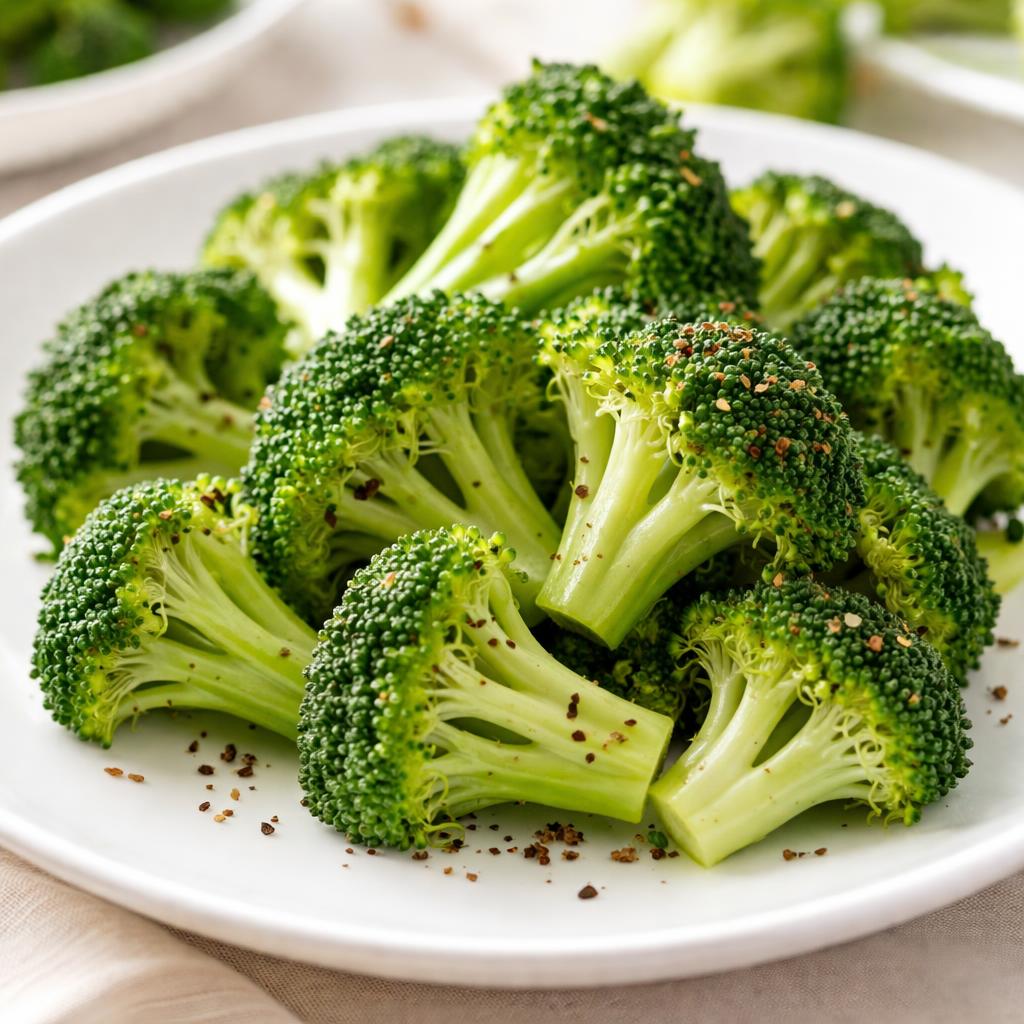
Broccoli
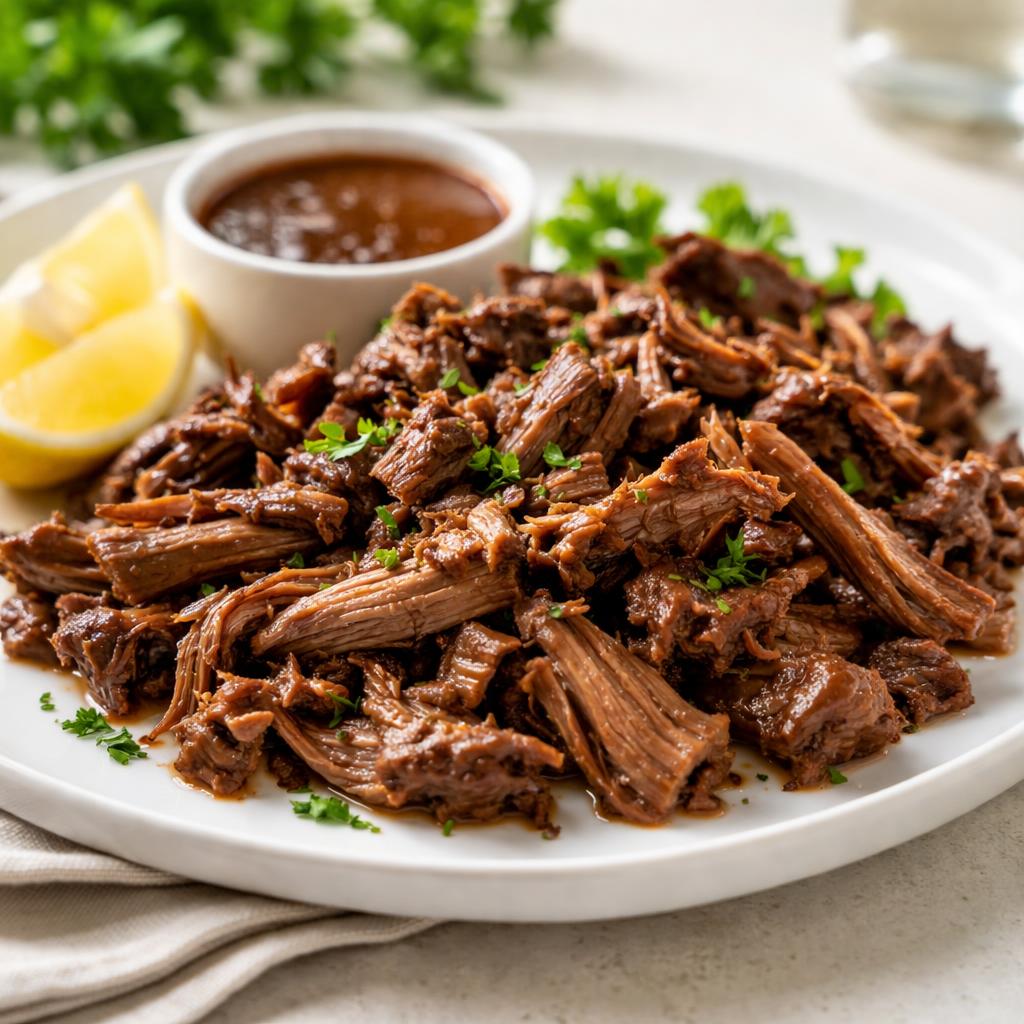
Shredded Beef
🎯 Quick Verdict
Broccoli is a low-calorie vegetable rich in fiber and essential nutrients, making it ideal for weight management and digestive health. Shredded beef, while higher in calories, is excellent for protein and iron, supporting muscle growth and energy levels. Both offer distinct advantages based on dietary needs and goals.

Smart Nutrition Tracking with SnapCalorie

📊 Nutritional Comparison
Macronutrients
| Nutrient | Food 1 | Food 2 | Winner |
|---|---|---|---|
| Calories | 55 (per 100g) | 250 (per 100g) | ✓ |
| Protein | 4.3g | 26g | ✓ |
| Carbs | 11.2g | 0g | ✓ |
| Fat | 0.6g | 18g | ✓ |
| Fiber | 2.6g | 0g | ✓ |
Vitamins & Minerals
| Nutrient | Food 1 | Food 2 | Winner |
|---|---|---|---|
| Vitamin C | 89mg | 0mg | ✓ |
| Vitamin A | 31mcg | 0mcg | ✓ |
| Iron | 0.7mg | 2.6mg | ✓ |
| Calcium | 47mg | 10mg | ✓ |
🏆 Category Winners
Protein
Shredded beef provides 26g of protein per 100g, compared to 4.3g in broccoli.
Fiber
Broccoli's 2.6g of fiber aids digestion, while beef contains none.
Calories
Broccoli has only 55 calories per 100g, far lower than shredded beef's 250 calories.
Vitamins
Broccoli is rich in essential vitamins like Vitamin C and A, which are largely absent in beef.
🥗 Diet Compatibility
Keto
Food 1: Compatible
Food 2: Compatible
Both foods fit keto diets, as broccoli has moderate carbs but is low-calorie, and beef is zero-carb.
Vegan
Food 1: Compatible
Food 2: Not Compatible
Broccoli is plant-based, while shredded beef is animal-based.
Gluten Free
Food 1: Compatible
Food 2: Compatible
Neither food contains gluten.
Paleo
Food 1: Compatible
Food 2: Compatible
Both are compliant with paleo diets, as they are whole, unprocessed foods.
Low Carb
Food 1: Moderately Compatible
Food 2: Compatible
Broccoli's carbs are slightly higher but still acceptable for low-carb diets; beef is zero-carb.
💪 Health Benefits Comparison
Food 1 Benefits
- Rich in Vitamin C to boost immunity and skin health
- High fiber content improves digestion and promotes regularity
- Low-calorie density supports weight management
- Packed with antioxidants for reducing inflammation
Food 2 Benefits
- Excellent source of protein for muscle growth and repair
- Rich in iron to support oxygen transport and energy metabolism
- Healthy fats contribute to satiety and energy
- May provide B vitamins for metabolism and brain function
✅ The Bottom Line
Broccoli is ideal for those seeking a nutrient-dense, low-calorie food to support digestion, weight loss, and overall health. Shredded beef is a great choice for high-protein diets and muscle building, especially post-workout. Consider your goals when choosing between them.
Choose Food 1 for: Weight loss, vegetarian or vegan diets, digestive health
Choose Food 2 for: Muscle building, energy-dense meals, iron deficiency support


